

If your oven, hob or water heater isn’t getting hot, the culprit is often the heater element. It’s the metal coil that turns electricity into heat, and when it fails, the whole appliance can feel useless. Understanding how it works and what to look for can save you a call to a repair service and a hefty bill.
Heater elements are built to last, but they’re exposed to high temperatures, moisture and regular on/off cycles. Over time the metal can crack, burn out or become coated with mineral deposits. When that happens, you’ll notice slower heating, uneven temperatures or no heat at all.
Watch for these red flags:
If you see any of these, the element is probably the problem. A quick visual inspection—once the appliance is unplugged—can confirm it. Look for broken wires, blackened spots or obvious gaps in the coil.
Replacing an element isn’t rocket science, but you do need a few basics:
Here’s a simple walkthrough:
Most homeowners can finish this in under an hour. The key is to keep track of screw locations and wire order – a photo before you start helps.
If the element keeps failing, there may be an underlying issue like a faulty thermostat, poor wiring or excessive moisture. In those cases, calling a qualified technician is the smart move.
Bottom line: a bad heater element shows up as no heat, longer cooking times, or a burnt smell. With the right tools and a bit of caution, you can replace it yourself and get your appliance back in action. When in doubt, let a professional handle the job to avoid damage or safety hazards.
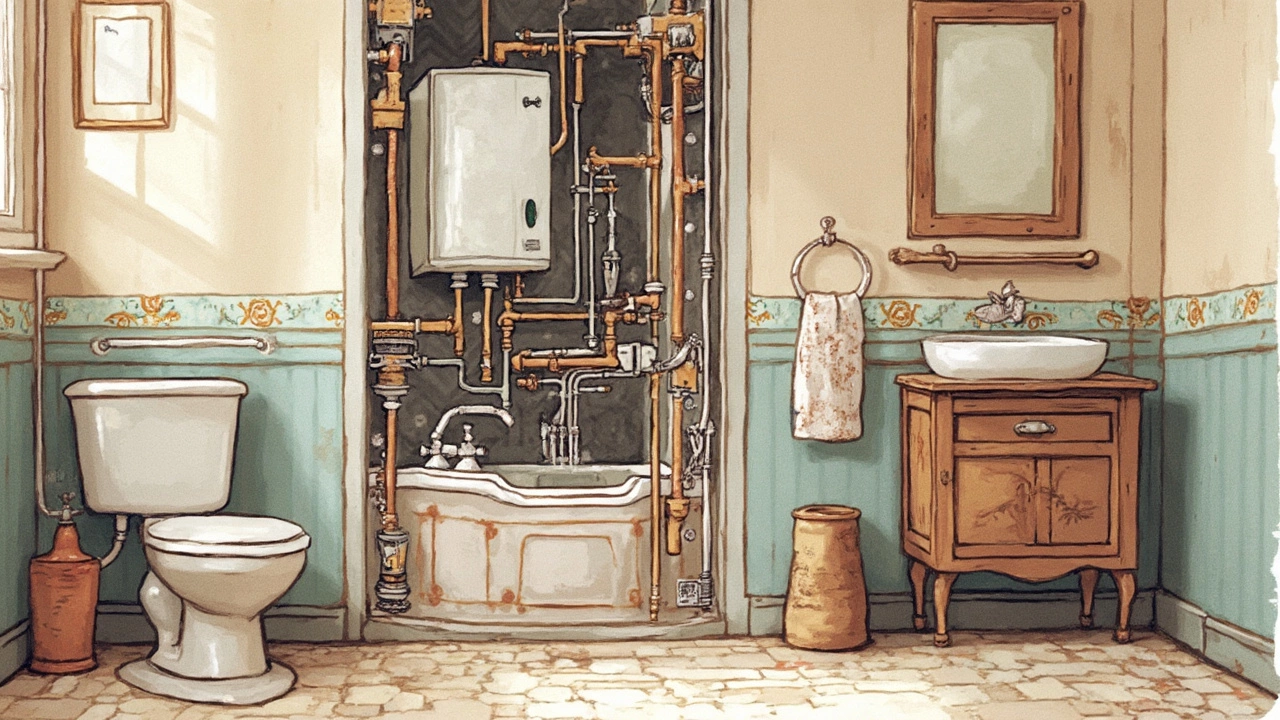
A failing water heater element can leave you in the chilly lurch just when you need a warm shower. Learn how to diagnose the problem with simple, straightforward steps. This guide covers common symptoms, testing methods, and practical tips for handling a faulty element. We'll explain what's involved and offer insights for DIY repair or knowing when to call a professional.

Plumbers can install extractor fan ductwork, but only electricians can legally wire them. Learn who to call for safe, code-compliant installation and how to avoid costly mistakes.
Learn the typical cost of repairing a gas oven igniter, compare DIY vs professional pricing, and discover tips to keep your repair bill low.

Discover what makes some refrigerator repairs more costly than others. From compressor issues to electronic faults, fixing these problems can hit your wallet hard. We'll uncover why some are pricier than others and offer tips on how to avoid them. Learn about preventive measures to save you money in the long run. This guide is a must-read for every fridge owner looking to keep repair costs at bay.
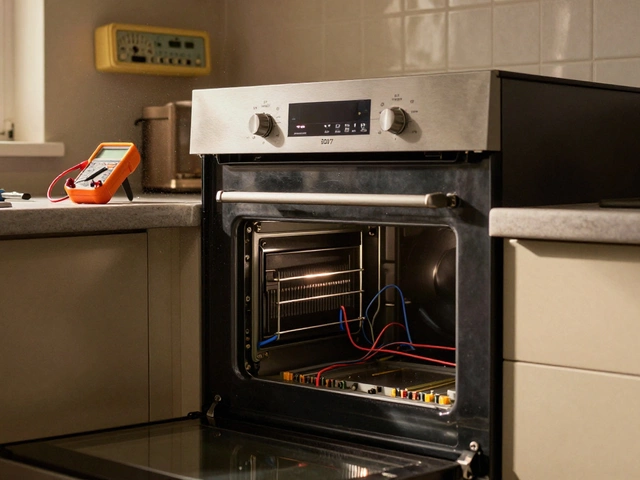
Is replacing your oven control board worth it? Learn the real costs, when to repair vs replace, and what most UK homeowners get wrong. Save money and avoid costly mistakes.
Maintaining a boiler goes beyond just an annual check-up. Regular maintenance ensures that your heating system runs efficiently, prolonging its lifespan and saving money on repairs. This article delves into necessary care tips, signs indicating a need for professional help, and actions homeowners can take to keep their boilers in top shape. Understanding the importance of each maintenance task can help prevent unexpected breakdowns, especially during colder months.