

If your heat pump isn’t keeping your home cosy, you’re not alone. Many homeowners face similar hiccups, from cold air blowing out to a drop in efficiency when the weather turns icy. The good news? Most of these issues have easy checks you can do before calling a pro.
Below you’ll find straight‑forward advice for the most common complaints. We’ll also point you to deeper guides that walk you through each fix step‑by‑step. Grab a notebook and let’s sort out those heating headaches.
The first thing to check is the thermostat setting. It sounds simple, but a mis‑set temperature or mode can trick the unit into thinking the house is already warm. Next, look at the air filter. A clogged filter blocks airflow, forcing the pump to work harder and sometimes shut down the heating cycle.
If the filter is clean, inspect the outdoor unit for debris. Leaves, twigs or even a snow blanket can cover the coil and stop heat exchange. Clear the area, then turn the system back on. If warm air still refuses to come out, the issue may be a faulty fan motor or a refrigerant leak – both need a qualified technician.
Heat pumps lose efficiency in very cold weather because they have to work against lower outside temperatures. Most modern units can still pull heat at -5°C (23°F), but performance drops sharply below that. If you notice a sudden rise in your energy bills during a cold snap, it’s likely the pump is struggling.
To boost performance, make sure the outdoor unit has clearance and isn’t buried in snow. Adding a small windbreak or a frost cover can keep the coil warmer. Some owners install a supplemental electric heater for those extreme nights – a cost‑effective way to stay warm without overworking the pump.
Another factor is the age of the system. Heat pumps generally last 12‑15 years with regular maintenance. Over time, wear on the compressor and coils reduces efficiency. Our guide on heat pump lifespan breaks down when it’s worth repairing versus replacing.
Regular maintenance is key. Schedule a filter change every three months, and have a professional clean the coil and check refrigerant levels once a year. A quick service can add years to the unit and keep it running at peak efficiency.
If you’re dealing with strange noises, erratic cycling, or error codes on the display, note the exact symptoms and look them up in the troubleshooting article for “Heat Pump Not Blowing Warm Air”. Those pages give you the exact steps to diagnose the problem before you call us.
Remember, safety first. Turn off power at the breaker before you touch any internal parts. If you’re unsure about a repair, it’s smarter to call a licensed technician – especially for refrigerant work.
Got a specific issue that isn’t covered here? Browse the other posts in this tag – from lifespan advice to efficiency tips – and you’ll find a detailed walk‑through for almost any heat pump problem.
Keeping your heat pump healthy means less stress, lower bills, and a warm home all winter long. Use these quick checks, stay on top of maintenance, and you’ll avoid most breakdowns. When in doubt, our expert team in Bognor Regis is just a call away.

Is your heat pump running but not cooling your home? Learn the real causes, expert troubleshooting tips, and practical solutions to get your comfort back.
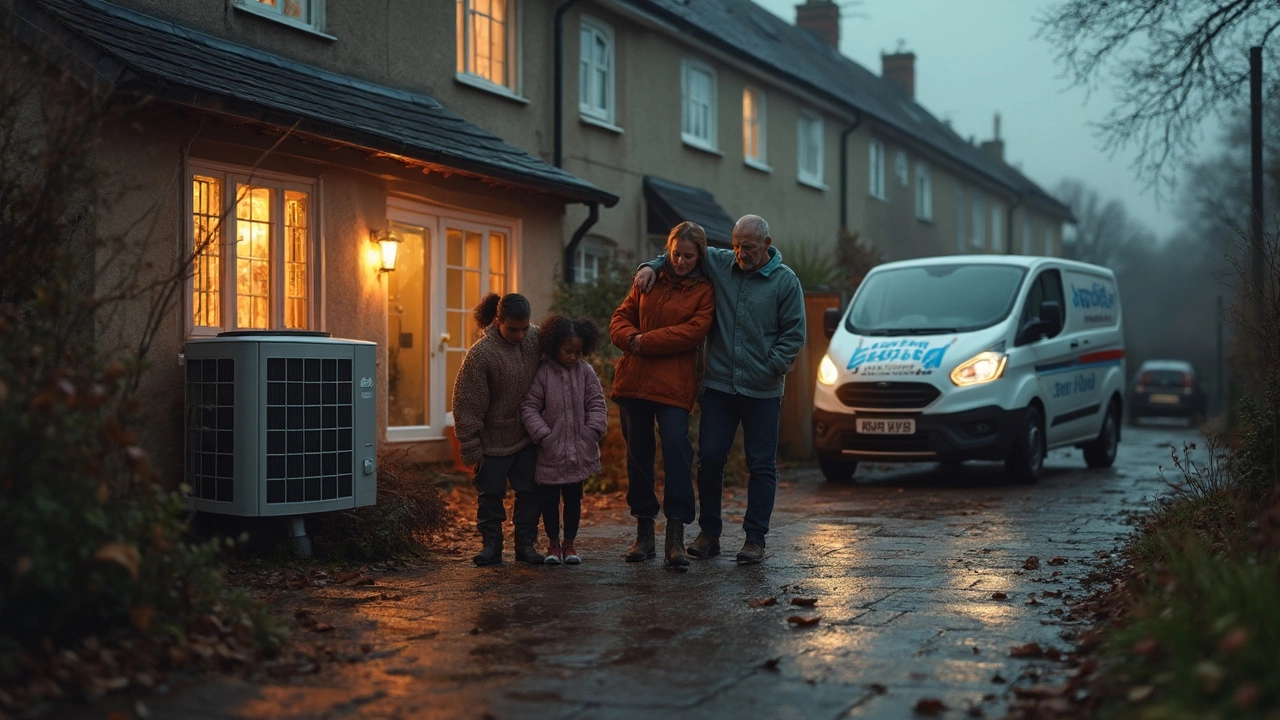
Discover what causes heat pumps to break down, the warning signs, and how to keep yours running smoothly with practical tips for any homeowner.
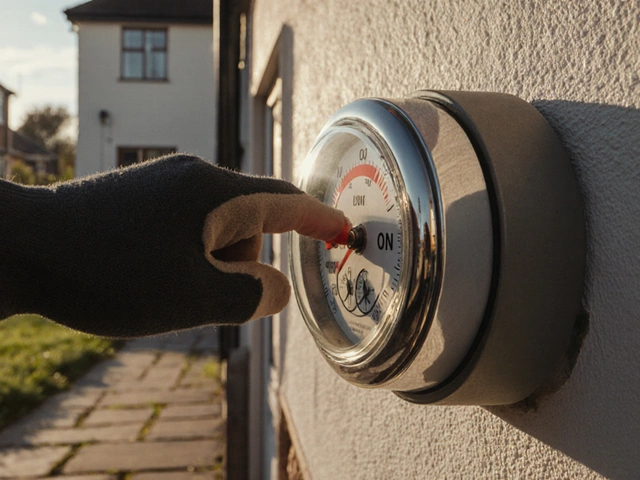
Learn why all your gas appliances might stop working, how to safely troubleshoot common issues, and when to call a Gas Safe engineer.

Wondering if your 20-year-old oven can be repaired? Discover repair tips, replacement part insights, costs, and when it makes sense to swap your old oven for a new one.

Microwaves are essential in modern kitchens, but when they break down, deciding whether to repair or replace them can be tricky. This article explores the factors that influence repair decisions, common microwave issues, and when it's more economical to buy a new one. It also offers tips on maintaining your microwave to prevent future problems. Understand the costs involved and make an informed choice on your kitchen appliances.

Who pays for boiler maintenance? Landlords must cover it for tenants. Homeowners pay for everything. Warranties don't cover servicing. Annual checks are legally required and save lives.
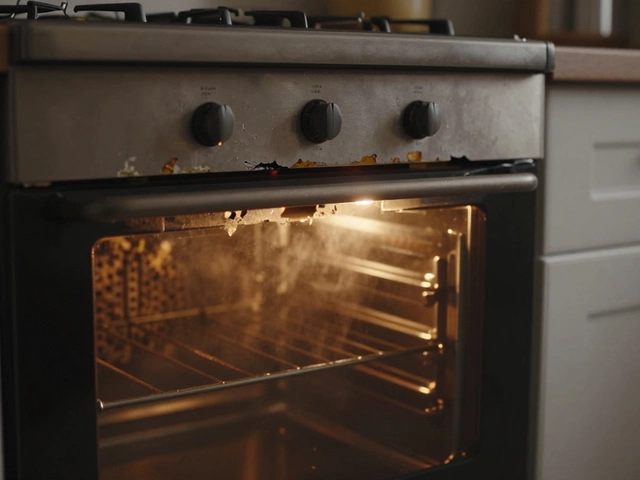
Most ovens last 10 to 15 years, but usage and maintenance affect lifespan. Learn the signs your oven is failing, when to repair vs. replace, and how to make it last longer.