

When you buy a heat pump, a device that moves heat from one place to another to warm or cool your home. Also known as air source heat pump, it works like a reverse refrigerator—pulling warmth from outside air even in freezing temps to heat your house. This isn’t just a gadget; it’s your main heating system, and the brand you pick affects how long it runs, how much it costs to fix, and whether you’ll be calling a technician every year.
Not all heat pumps are created equal. Some brands like Daikin, a top global manufacturer known for quiet operation and reliable performance in cold climates, are built to last 15+ years with basic care. Others, especially budget models, start struggling after 8 years. The difference isn’t magic—it’s build quality. Better heat pumps use copper coils instead of aluminum, have sealed motors that don’t rust, and come with smarter defrost cycles that prevent ice buildup. If you’ve ever had a dryer or water heater fail early, you know cheap parts don’t save money long-term. The same goes for heat pumps.
When you’re looking at heat pump brands, companies that design and manufacture these heating and cooling systems for homes, ask what kind of compressor they use. Mitsubishi, for example, uses inverter-driven compressors that adjust speed based on demand—this cuts wear and saves energy. Bosch and LG offer solid warranties and good service networks in the UK. But don’t just trust the sales pitch. Check independent reviews from people who’ve lived with the system for 5+ years. Look for patterns: do owners complain about noise? Frequent error codes? High repair bills? These are red flags.
And here’s something most people miss: installation matters more than the brand. A top-tier heat pump installed wrong will fail faster than a cheap one done right. That’s why so many of the posts below focus on repair patterns—people calling for help because their heat pump isn’t warming the house, or it’s freezing up in winter, or it’s making loud grinding noises. These aren’t random failures. They’re signs of mismatched sizing, poor ductwork, or incorrect refrigerant levels. The brand sets the foundation, but the installer determines the lifespan.
If you’re thinking about replacing your boiler or upgrading an old electric heater, a heat pump could be your best move. But only if you pick the right one. The posts below show real cases—what went wrong with certain models, which brands show up most often in repair logs, and how maintenance can stretch a system’s life by years. You’ll see what’s actually broken in those expensive service calls, and how to avoid the traps that cost homeowners thousands. No fluff. Just what you need to know before you sign a contract.
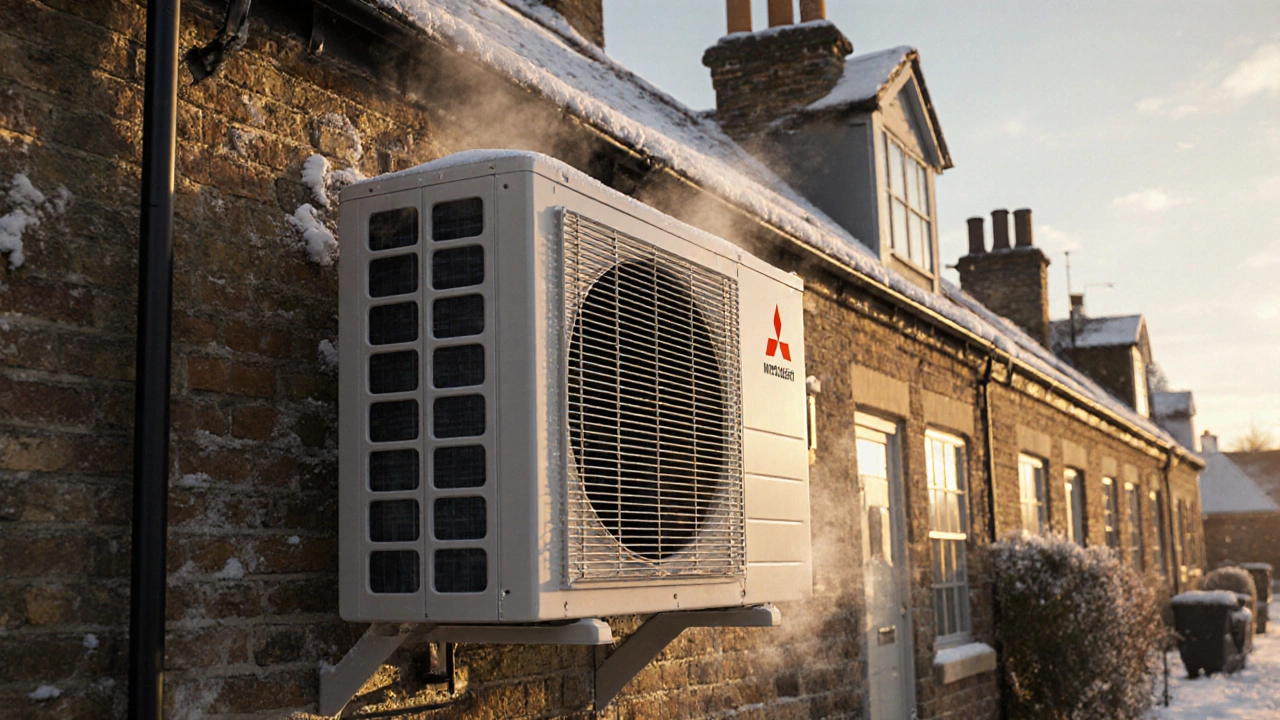
Discover the most reliable heat pump brands for UK homes in 2025, based on real repair data, warranty claims, and installer feedback. Avoid costly mistakes by choosing wisely.
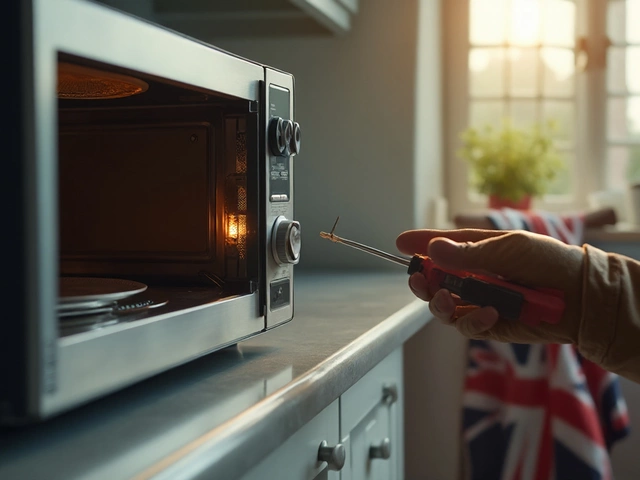
Learn fast how to spot a blown microwave fuse, test it safely, and replace it yourself. Step‑by‑step instructions, tools needed, and common pitfalls covered.
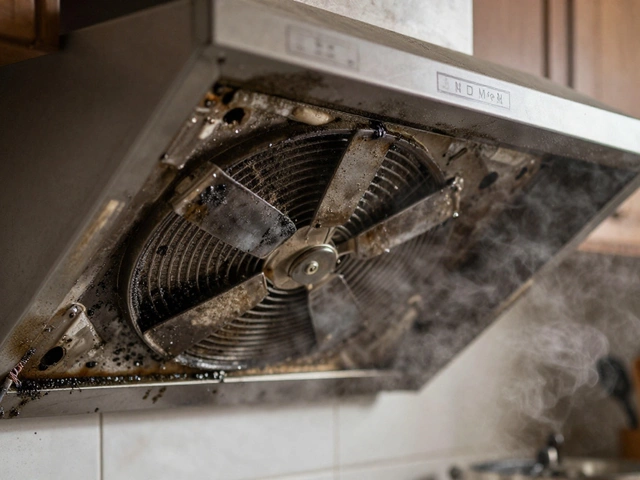
Kitchen extractor fans typically last 10-15 years, but grease buildup and lack of cleaning can cut that in half. Learn the signs it's time to replace yours and how to choose a better model.

Find out exactly how much it costs to fix a freezer that won't freeze in the UK. We break down repair prices for thermostats, compressors, and seals, helping you decide whether to repair or replace your appliance.
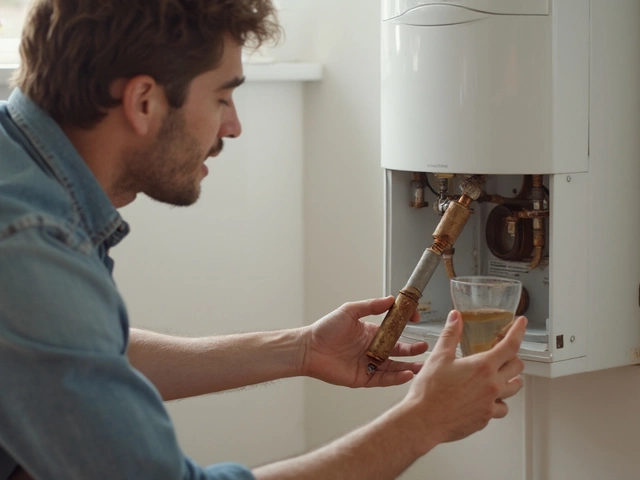
Not sure if your water heater's anode rod is shot? This article breaks down the telltale signs that your anode rod is past its prime, from weird smells to rusty water. Find out how long these rods actually last, why they're so important, and how to check them yourself. With some simple tips, you'll spot trouble before it wrecks your tank. Get the facts so you can keep hot water flowing without a nasty surprise.
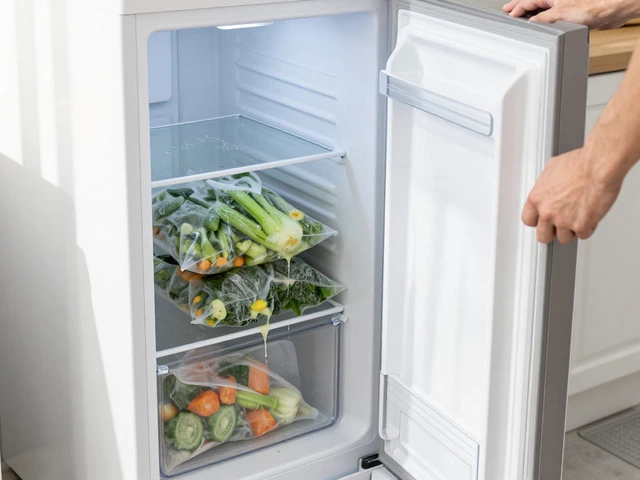
Learn how to troubleshoot a broken freezer step-by-step. From checking power sources to diagnosing defrost heaters, this guide helps you save food and money.