

If your glass stove top has a crack, a stubborn stain, or an uneven burner, you don’t have to panic. Most issues are easy to fix with the right tools and a bit of know‑how. Below you’ll find practical steps that anyone can follow, plus advice on when it’s smarter to call a professional.
Cracks are the most obvious problem. Small chips can often be repaired with a heat‑resistant epoxy designed for glass. Clean the area, apply the epoxy, smooth it with a putty knife, and let it cure as the instructions say. For larger cracks, a replacement glass panel is usually needed – that’s a job for a qualified technician.
Stubborn stains from spilled sauces or burnt food look bad but are easy to remove. Let the stove cool, then sprinkle baking soda over the stain. Add a few drops of water to make a paste, let it sit for 10 minutes, and wipe with a soft, damp cloth. Rinse and dry with a microfiber towel to avoid streaks.
Uneven heating often means a burner element is failing. Turn off the stove, unplug it, and inspect the element for discoloration or damage. If it looks worn, replace it with the exact model number. Most burners snap in place, so you won’t need special tools.
Daily cleaning prevents buildup that can cause scratches. After each use, wipe the surface with a warm, damp cloth. Avoid abrasive pads, steel wool, or harsh chemicals – they can damage the glass and the coating.
Every few weeks, give the stove a deeper clean. Use a non‑abrasive glass cleaning spray or a mix of equal parts water and white vinegar. Spray, let it sit for a minute, then wipe with a soft cloth. For tough grime, a scraper with a plastic blade works well; keep the blade flat and move gently to avoid scratching.
Safety matters when you work on a glass stove top. Always ensure the appliance is completely off and unplugged before you start any repair. If you need to lift the glass panel, use both hands and wear gloves to protect your skin from sharp edges.
When you’re unsure about a repair, call a local expert. A professional can replace a broken panel quickly and guarantee the work is done to safety standards. This saves you time and prevents accidents.
In short, most glass stove top issues can be tackled at home with a few simple tools: epoxy for small cracks, baking soda for stains, and a replacement burner for uneven heat. Regular cleaning keeps the surface looking new and reduces the chance of damage. Keep safety first, and don’t hesitate to get a pro involved for big repairs.

Cracked or damaged glass hobs make you panic, but not every problem spells doom for your stove. This article breaks down what issues can actually be fixed and when it's smarter to replace the glass. You’ll get real-life tips, possible repair options, and clear warnings for common mistakes. Safety comes first, but you’ll also find out when you can handle things yourself—or absolutely need a pro. Practical info, simple steps—you’ll get the full story on glass hob repair.
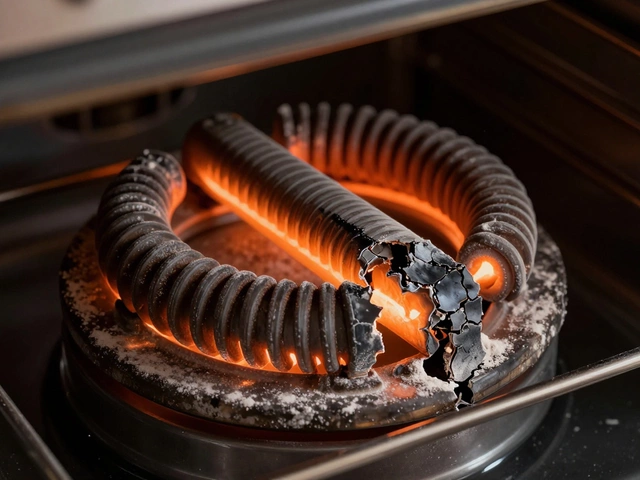
Learn how to tell if your oven element is blown by checking for visible damage, testing with a multimeter, and observing oven behavior. Most oven heating issues are simple fixes.
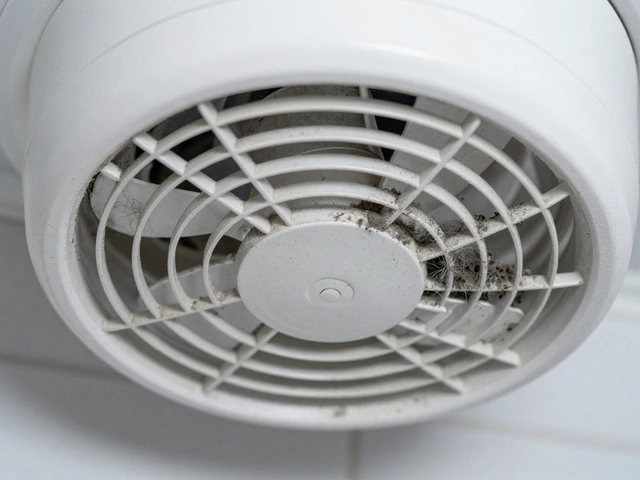
Learn how to properly service your bathroom extractor fan with this easy step-by-step guide. Discover cleaning tips, troubleshooting tricks, and when to call a pro.

Replacing a boiler in 2025 costs between £2,000 and £4,500 on average. Learn what affects the price, when to replace vs repair, and how to save with government grants. Make an informed decision for your home.
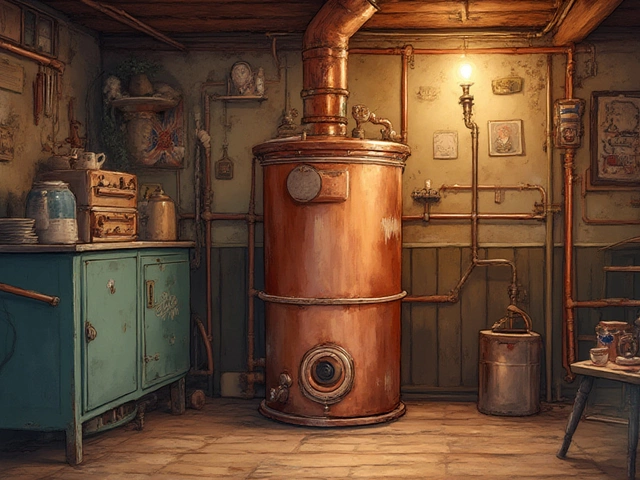
Is it possible for a hot water heater to last 30 years? Here’s a detailed look at what determines water heater longevity, what rare cases look like, and how you can extend your heater’s life with smart habits.

Discover what makes some refrigerator repairs more costly than others. From compressor issues to electronic faults, fixing these problems can hit your wallet hard. We'll uncover why some are pricier than others and offer tips on how to avoid them. Learn about preventive measures to save you money in the long run. This guide is a must-read for every fridge owner looking to keep repair costs at bay.