

When your fridge stops cooling or the oven won’t heat, the first thing you think about is who to call. Many people jump straight to Geek Squad because the name is familiar, but the price tag can surprise you. Below we break down what you’re really paying for, why the cost can jump, and how to keep the bill from blowing out of control.
Geek Squad charges a flat diagnostic fee that usually covers a technician’s travel, inspection, and a basic report. That fee can range from £70 to £120 depending on your location and the type of appliance. Once the issue is identified, you’ll get a separate charge for parts and labour. Labour is billed by the hour, often at £60‑£90, and some jobs have a minimum two‑hour charge even if the fix takes less time.
Older appliances tend to need more time and harder‑to‑find parts, which drives up the labour and parts cost. If the problem is inside a sealed system—like a refrigerator compressor—Geek Squad may need special tools and certification, adding extra fees. Emergency or same‑day service also costs more, usually a 25–30% surcharge.
Another hidden cost is the “travel surcharge.” If you live outside the main service area, you might see an extra £15‑£30 added to the base fee. Finally, if you need multiple appliances serviced in one visit, the company often bundles the travel fee but still charges separate labour for each appliance.
So, how does this compare with a local independent repairer? Small firms in Bognor Regis typically charge a £40‑£60 diagnostic fee and £45‑£70 per hour for labour. They may also offer a “no‑fix, no‑pay” guarantee, meaning you only pay if they actually repair the unit.
Want to keep costs down? Here are three quick tips:
Bottom line: Geek Squad offers brand‑name confidence, but the price reflects that reputation. If you’re on a tight budget, it pays to shop around, get quotes, and weigh the pros and cons of a big‑brand service versus a local expert who knows the community.

Want to know how much Geek Squad at Best Buy will charge for fixing your laptop? This article breaks down their pricing and services, so you know exactly what to expect before you hand over your device. You'll learn what affects the cost, whether a protection plan is worth it, and get the lowdown on real-life repair scenarios. Plus, there are tips to help you save some cash or avoid common headaches. No tech jargon or fancy lingo—just straight answers.
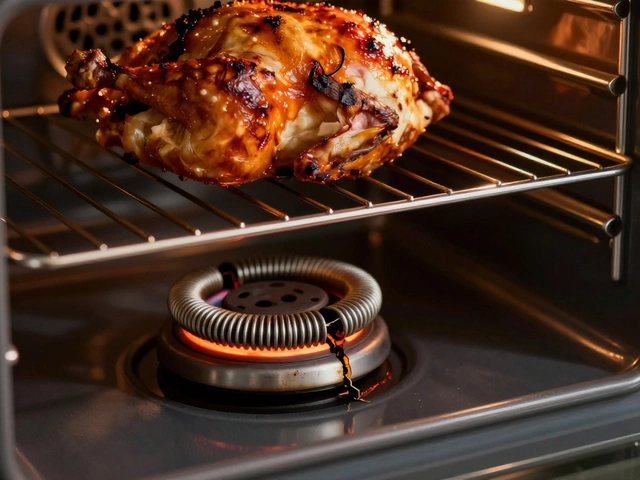
Discover if replacing your oven heating element is cost-effective compared to buying a new appliance. We break down repair costs, DIY steps, and signs of failure to help you decide.
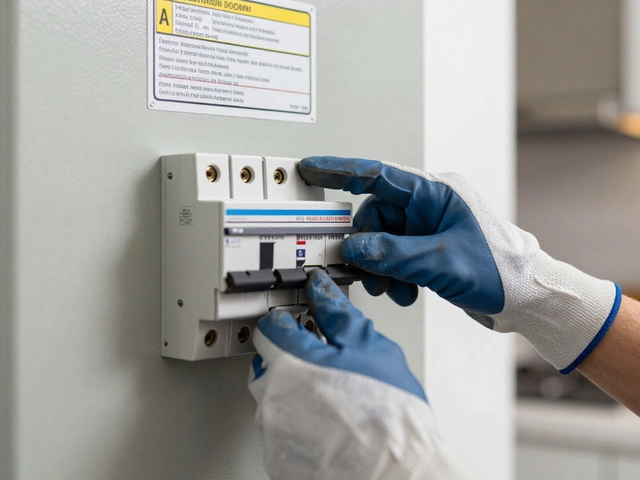
Learn how to safely fix a burnt electric hob by checking the element, testing with a multimeter, replacing parts, and preventing future damage. Avoid fire risks with these step-by-step tips.

Thinking about fixing your 7 year old refrigerator? This article breaks down the real costs, reliability, and what you should watch for before you pay for repairs. You’ll find clear tips on when it’s smarter to repair or replace, how much you’ll likely spend, and some key things most people forget to check. Get the real scoop from an expert so you don’t waste time or money.

A practical guide for diagnosing common refrigerator problems, spotting signs of faults, and fixing them at home with tips and real-world facts.
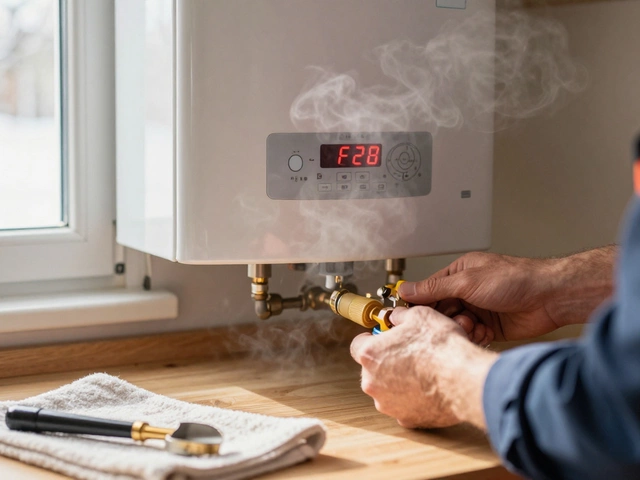
Boiler repairs in the UK usually take 1 to 3 hours, but major issues like a cracked heat exchanger can take half a day. Learn what affects repair time and when replacement is smarter than fixing.