

Nothing ruins dinner plans like a gas stove that won’t light or sputters wildly. Most homeowners face one of three simple problems: a dirty burner, a faulty igniter, or a gas supply issue. The good news is that many of these hiccups can be spotted and solved without tearing down the whole kitchen, but only if you handle them safely.
First, check the burners. Over time, food splatters and grease build up, blocking the tiny holes where the flame should emerge. A quick soak in warm, soapy water followed by a gentle brush usually clears the path. If the flame still looks weak or uneven, the igniter might be the culprit. Look for a small, spark‑producing ceramic tip next to each burner. If it’s cracked or covered in residue, clean it with a soft cloth and a bit of alcohol. A spark that’s too weak or absent often means the igniter needs replacement – a job most DIY‑savvy folks can handle with a screwdriver and a new part.
When burners and igniters are fine, the issue could be the gas line or valve. If you smell gas or the stove won’t light at all, shut the main gas supply immediately and ventilate the area. A loose connection or a faulty valve can be dangerous, so it’s best to call a certified technician. Remember, safety comes before convenience.
Professional repair isn’t just about fixing the problem; it’s about doing it right the first time. Our Bognor Regis team knows the local gas codes, has the right tools, and can spot hidden faults that DIY checks miss. We can replace igniters, clean burners, and test the gas pressure while you relax with a cup of tea.
We also offer emergency service. If your stove stops working right in the middle of a busy dinner, we can often be at your door within an hour. Our rates are transparent, and we always explain what we’re doing before we start – no surprise charges.
Before you pick up the wrench, run through this quick checklist:
Fixing a gas stove yourself can save a few pounds, but a botched repair can cost more in gas leaks or a new appliance. When in doubt, give us a call – we’re just around the corner and ready to get your cooker back to heating your meals safely.

Thinking of how long your gas hob will last? Dive into the expected lifespan of gas hobs, factors that affect their longevity, and simple maintenance tips. Discover how regular care can stretch your appliance's life and understand when it's time to consider repair or replacement. Make informed decisions to keep your culinary adventures flaming well.

Curious about what counts as an appliance? Get concrete examples, clever tips, and practical facts about home appliances to make smart choices for your household.
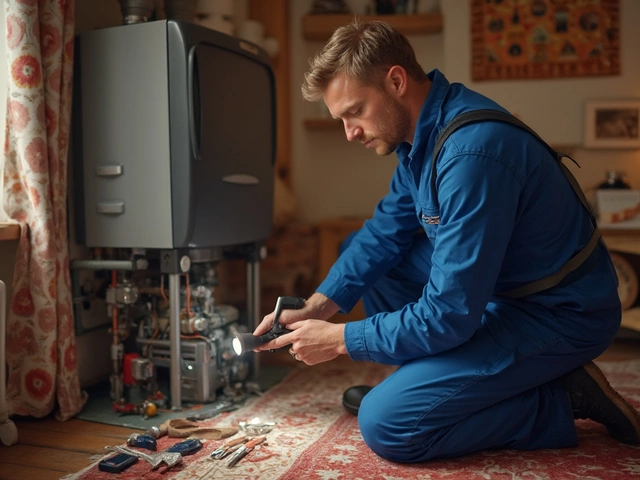
Regular boiler servicing is crucial to ensure safety and efficiency in home heating systems. A comprehensive service involves thorough inspections and cleaning, enhancing performance and extending the lifespan of the unit. Areas covered include checking the burner, inspecting the flue, and ensuring controls work correctly. Routine servicing helps prevent breakdowns and identifies potential issues early. Understanding what's involved can help homeowners make informed decisions and maintain reliable heating.
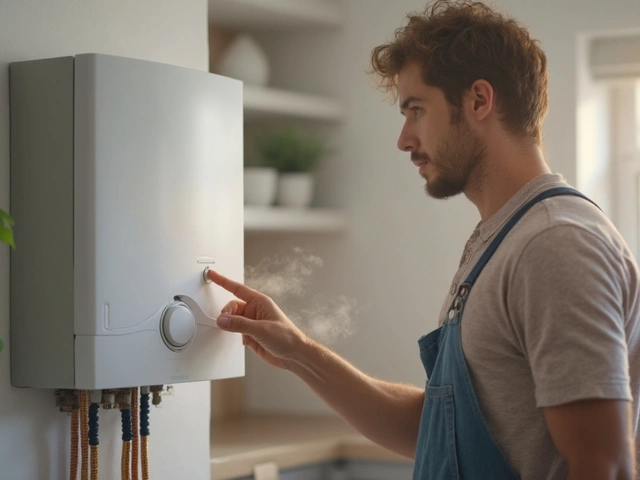
Dealing with a water heater that keeps tripping can be a headache—hot water one minute and a cold shower the next. This article breaks down the most common reasons for this irritating problem, giving you clear steps for figuring out if it’s a simple DIY fix or if you should call in a pro. You’ll get straight talk, not complicated jargon or long-winded explanations. Learn what to check, what parts usually fail, and when your water heater might just be on its last leg. Get the confidence to handle the problem and save yourself a ton of hassle.
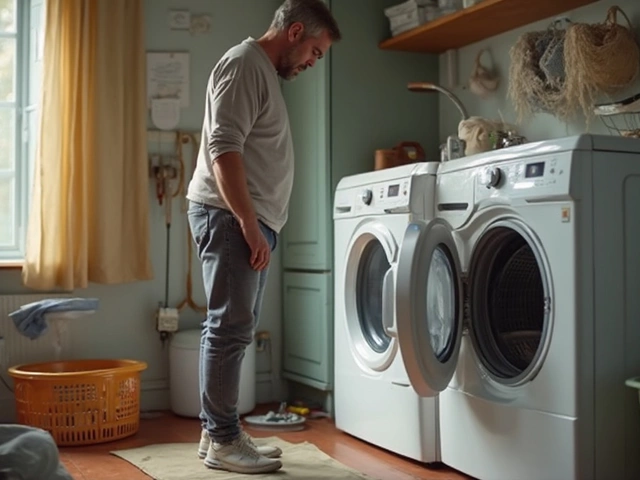
Find out why your tumble dryer isn't spinning and learn step-by-step fixes for common dryer problems. Stay informed with practical tips and real solutions.
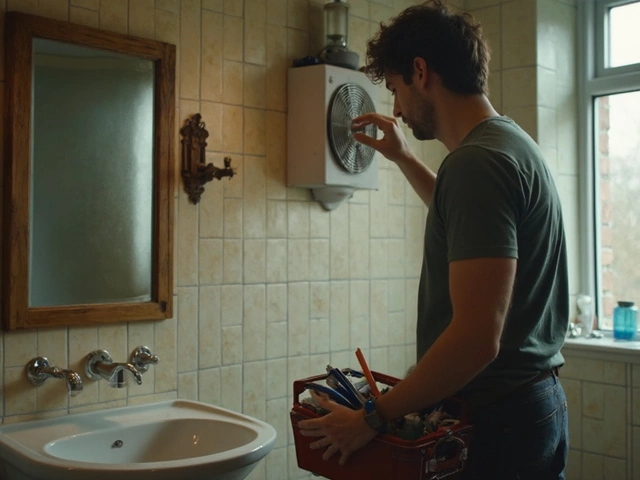
Thinking about swapping out your old extractor fan? This guide digs into how easy (or not) it really is to replace an extractor fan in your bathroom or kitchen. Get the lowdown on what tools you'll need, common surprises people miss, and what makes some fans trickier than others. If you're not sure when to call in a pro, we've got your back there, too. Get ready for a clear, no-nonsense breakdown.