

If you’re wondering how many years a gas hob can survive before it needs replacing, you’re not alone. Most homeowners assume a gas cooktop will last forever because it’s built tough, but the truth is a bit more nuanced. In the UK, a well‑maintained gas hob usually gives you anywhere from 10 to 15 years of solid performance. Anything less often points to neglect, harsh water, or cheap parts.
Knowing the typical lifespan helps you plan for maintenance costs and decide when it’s smarter to repair rather than replace. Below we break down the main factors that wear a gas hob out and share practical ways to stretch its useful life.
1. Quality of the unit – High‑end models with stainless steel burners and robust regulators tend to outlive budget options. The material of the burner caps, igniters, and knobs matters; corrosion‑resistant alloys hold up better.
2. Frequency of use – Cooking daily for a large family puts more heat cycles on the seals and igniters than occasional weekend use. More cycles mean faster wear on the gas valve and burner ports.
3. Water quality – Hard water can leave mineral deposits on the burner heads and inside the gas pipe connections. Over time, these deposits block gas flow and cause uneven flames.
4. Cleaning habits – Scrubbing with harsh chemicals or steel wool scratches the burner caps and can damage the ignition electrode. A gentle wipe with warm, soapy water does the job for most spills.
5. Installation quality – A poor gas line fit or loose connections create leaks, which not only are dangerous but also accelerate wear on the regulator.
Regular cleaning: After each cooking session, let the burners cool, then remove the caps and rinse them under warm water. Use a soft brush to clear any food bits from the ports. Re‑assemble only when everything is dry.
Check the igniter: If the spark is weak or the flame lights late, the electrode is dirty or worn. A quick spray of contact cleaner followed by a gentle scrape can revive it. Replace the igniter if it continues to misfire.
Descale annually: Fill a spray bottle with equal parts white vinegar and water, spray the burner caps, and let it sit for 10 minutes before rinsing. This removes mineral build‑up that can choke the gas flow.
Watch for gas smell: A faint gas odor around the hob means a seal might be failing. Tighten the connections and, if the smell persists, call a Gas Safe engineer. Fixing leaks early prevents extra stress on the valve.
Professional service: Schedule a check‑up every 2–3 years. A qualified technician will test the gas pressure, clean internal components, and replace worn parts before they cause a breakdown.
When you notice a burner that won’t light, a flame that’s yellow instead of blue, or uneven heating across the pan, those are red flags that the hob’s life is winding down. Ignoring them usually leads to a full‑stop repair that could have been avoided with a quick tweak.
Bottom line: a gas hob can comfortably serve a household for a decade or more if you treat it right. Keep the burners clean, protect the ignition system, and don’t skip professional inspections. With these habits, you’ll enjoy steady heat, quick lighting, and fewer surprise repairs, letting you focus on cooking rather than fixing the stove.

Thinking of how long your gas hob will last? Dive into the expected lifespan of gas hobs, factors that affect their longevity, and simple maintenance tips. Discover how regular care can stretch your appliance's life and understand when it's time to consider repair or replacement. Make informed decisions to keep your culinary adventures flaming well.
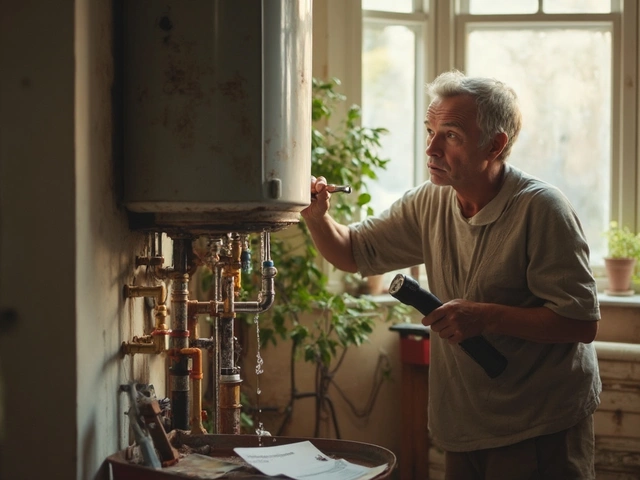
Wondering if your hot water heater is about to quit? This article breaks down the most common signs that your water heater needs to be replaced, from strange noises to rusty water. Find out how long these tanks usually last, what to look for during regular maintenance, and how to handle sudden issues. You'll get practical tips to keep your heater running smoothly and avoid a cold shower surprise. If you've ever worried about flooding, energy bills, or weird knocking, this is for you.
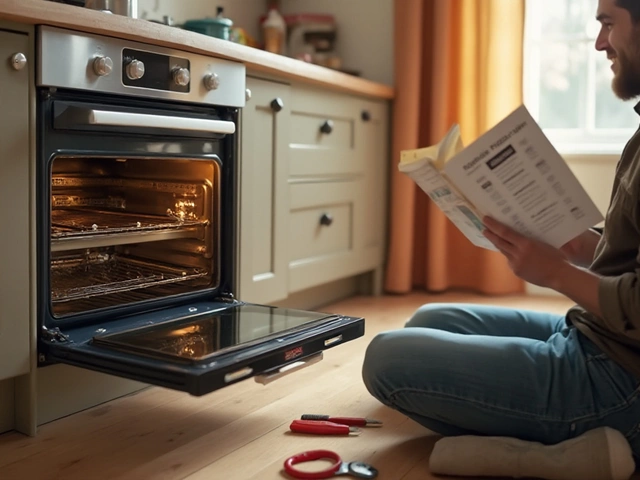
If your electric oven isn't heating properly, it might be time to replace the heating element. Understanding the costs and what's involved in the repair process can help you make informed decisions. This article dives into the factors affecting replacement costs, step-by-step guidance on how to change the element, and practical tips to ensure your oven runs smoothly. With these insights, you can tackle the repair yourself or hire the right professional for the job.
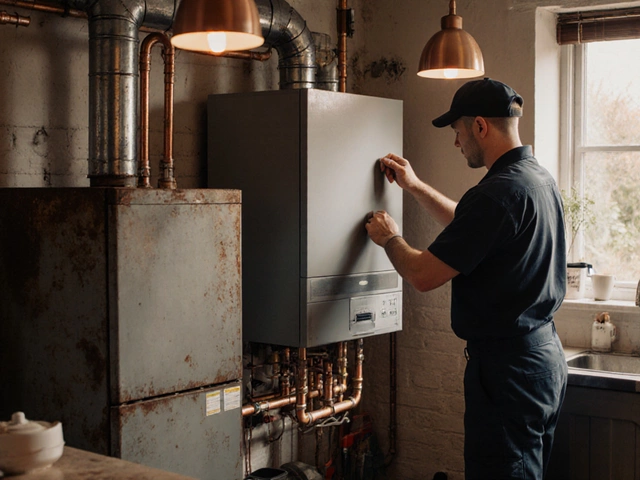
Find out how much a new boiler costs in 2025, including prices by type, installation fees, rebates, and how to avoid overpaying. Learn when to replace your boiler and what to look for in a quote.

Struggling with a hot water heater that refuses to kick on can be frustrating, especially on chilly days. In this detailed guide, you'll find practical solutions and in-depth explanations to help diagnose and possibly fix some of the most common issues that prevent your hot water heater from functioning. Whether it's a simple power issue or a more complex mechanical fault, this article equips you with the knowledge to tackle the problem. It's time to stop second-guessing and start understanding what's really going on with your heating system.
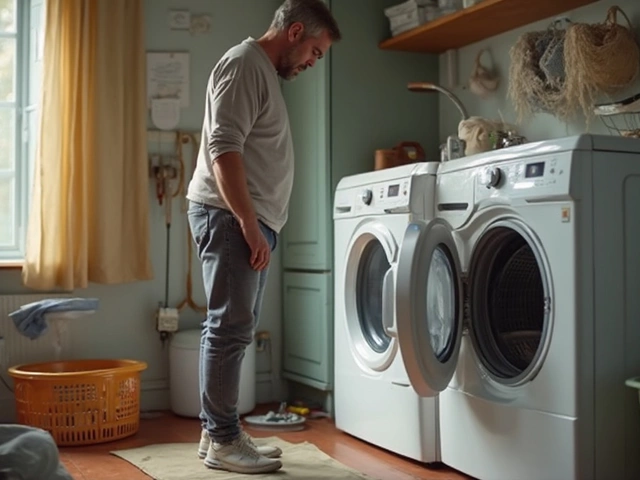
Find out why your tumble dryer isn't spinning and learn step-by-step fixes for common dryer problems. Stay informed with practical tips and real solutions.