

When your gas boiler replacement, the process of removing an old or broken gas-fired heating system and installing a new one to provide home heating and hot water. Also known as boiler upgrade, it’s one of the biggest home maintenance decisions you’ll make. It’s not just about fixing a broken appliance—it’s about keeping your house warm, your showers hot, and your energy bills under control. If your boiler is over 10 years old, making strange noises, leaking, or taking forever to heat up, it’s probably not just tired—it’s done.
Most people don’t realize a Gas Safe engineer, a certified professional legally allowed to work on gas appliances in the UK, trained to handle installation, repair, and safety checks isn’t just a plumber. They’re the only ones who can legally handle gas lines, check for carbon monoxide leaks, and sign off on your new boiler’s safety. Skipping this step isn’t just risky—it’s illegal. And if you’re wondering why some quotes are £500 higher than others, it’s often because one includes proper flue testing, system flushing, and a warranty. A good engineer will explain what’s wrong, show you the fault code, and give you options—not just push the most expensive unit.
Boiler replacement isn’t a one-size-fits-all job. Your home size, insulation, and hot water usage all affect what type you need. A combi boiler, a compact unit that heats water on demand without needing a tank, ideal for smaller homes or flats is popular in Bognor Regis because it saves space and cuts waste. But if you have multiple bathrooms, a system boiler with a hot water tank might be smarter. And don’t assume a new boiler means instant savings—poorly installed or mismatched systems can cost you more in the long run. That’s why we’ve gathered real-world guides on boiler repair costs, emergency fixes, and how to spot when your boiler is past saving.
You’ll find posts here that break down exactly what you pay in 2025, what questions to ask before signing a contract, and how to tell if your boiler’s just having a bad day—or if it’s time to walk away. We cover the top reasons boilers fail, how to avoid being overcharged, and what to do the second your hot water cuts out. No fluff. No upsells. Just what actually matters when your boiler’s on its last legs and the cold’s creeping in.
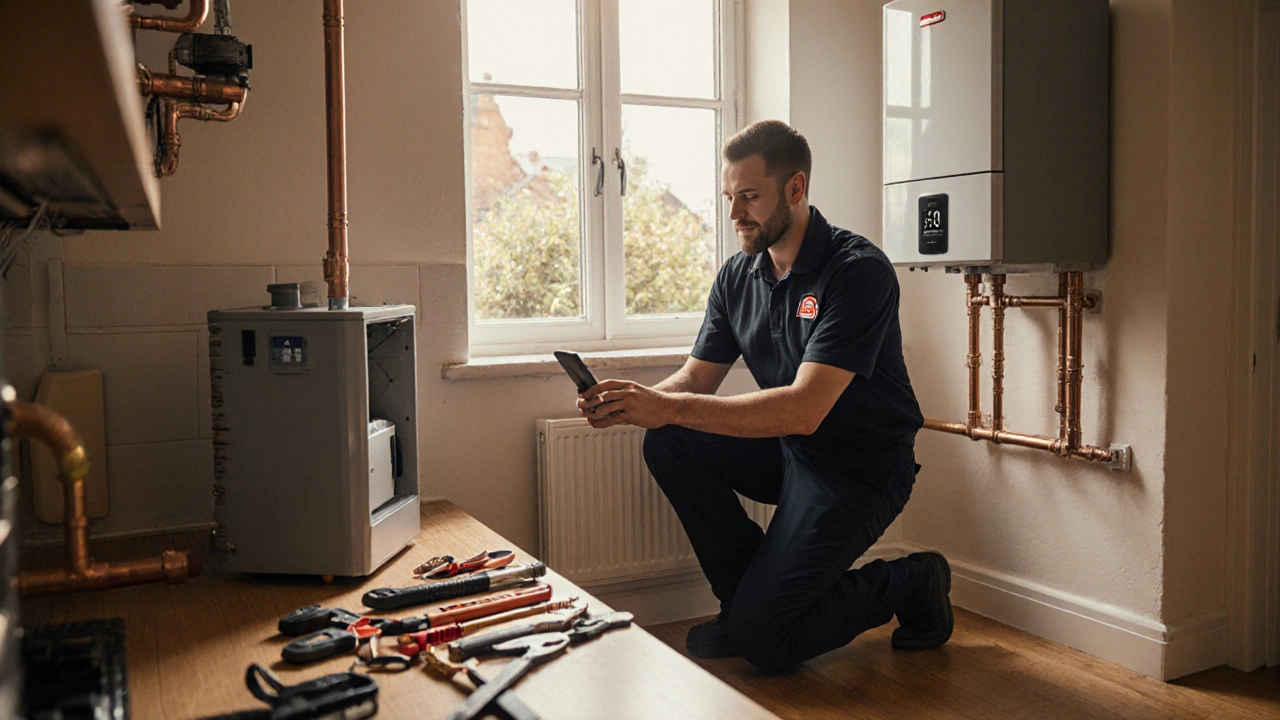
Replacing a boiler in 2025 costs between £2,000 and £4,500 on average. Learn what affects the price, when to replace vs repair, and how to save with government grants. Make an informed decision for your home.

Ready to buy a new dishwasher? Check this guide for 2025's most unreliable dishwasher brands, stories you won't believe, and tested buying tips no one else will give you.
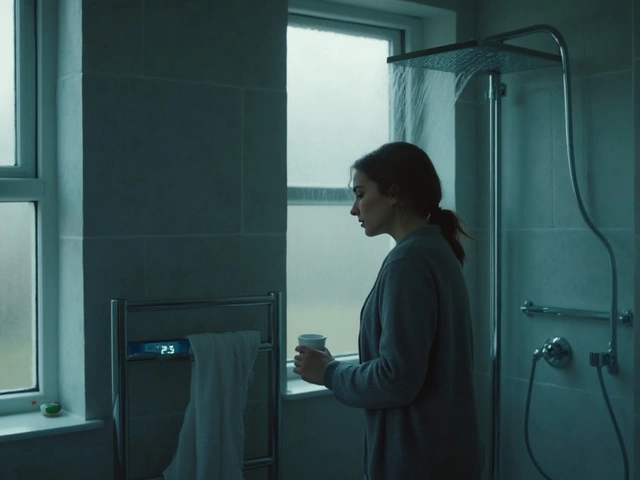
When your boiler breaks down, taking a comfortable shower suddenly feels like a luxury. This article explains exactly what happens to your shower when a boiler goes out, ways to still get clean, and when you should call in a professional. Learn alternative methods for washing, bust some myths about cold showers, and get tips on preventing future breakdowns. We even cover what to do if you have kids or need to keep up with fitness routines. Staying clean during a crisis isn’t impossible—you just need a bit of know-how and some creative solutions.

Is your hot water heater suddenly not working? Here’s what can go wrong, how to spot the problem fast, and pro tips to get hot water back right away.

Curious if you can fix your dishwasher without calling a pro? This article breaks down the most common dishwasher problems and explains which repairs you can actually do yourself. We’ll cover how complicated these appliances really are, how to figure out what’s wrong, the tools you’ll need, and which jobs might leave you better off calling an expert. Get practical tips, interesting facts, and a clear picture of what you’re actually signing up for before grabbing that toolbox.

Wondering who fixes extractor fans? Find out which trade has the right skills, top repair tips, and practical advice for solving extractor fan issues fast.