

If your washing machine, oven or kettle suddenly stops working, a blown fuse is often the culprit. Knowing the price beforehand can stop you from overpaying or waiting too long for a fix.
For a standard 3‑amp or 13‑amp appliance fuse, you’re looking at £2‑£6 at most DIY stores. High‑current fuses for larger appliances, like tumble‑dryers or heat pumps, can run between £8‑£15. If the fuse is part of a built‑in safety board, the cost jumps to £20‑£40 because the part is specialised and may need a professional to install.
Labour costs are the next big factor. An electrician or appliance technician typically charges £40‑£70 per hour. Most jobs take under an hour, so a full replacement usually ends up costing between £45‑£80. If you call a large service company, the price tag can creep up to £100‑£120 because of call‑out fees.
The cheapest route is a DIY swap. Grab the right size fuse (check the appliance’s label or manual), turn off the power, and replace the old part. It’s a quick 5‑minute job that saves you the labour bill. Just make sure the new fuse matches the voltage and amperage rating; using the wrong one can damage the appliance or be unsafe.
If you’re not comfortable with electricity, call a qualified electrician. Ask for a flat‑rate quote before they start – many local tradespeople will give you a set price for a standard fuse change. Comparing at least three quotes can shave off 10‑15% of the labour cost.
Another tip: keep a spare pack of common fuses on hand. Buying a multi‑pack of 5‑10 fuses costs about the same as a single one, but you’ll have spares when the next fuse blows, avoiding emergency call‑outs.
Finally, check your appliance’s warranty. Some manufacturers cover fuse replacements for the first two years, which can wipe out both part and labour costs.
Bottom line – a basic fuse costs only a few pounds, but labour can push the total past £50. Decide if you’re comfortable doing it yourself, stock up on spares, and always compare quotes if you need a pro. This approach keeps your repair budget low and gets your appliances humming again fast.

Microwave suddenly dead? It might be the fuse. This article breaks down the real cost of repairing a microwave fuse—parts, labor, hidden fees, and whether you should DIY. You'll get practical tips on when to call a pro, what brands cost more, and how to avoid common mistakes. A straightforward guide to help you fix your microwave without overspending.
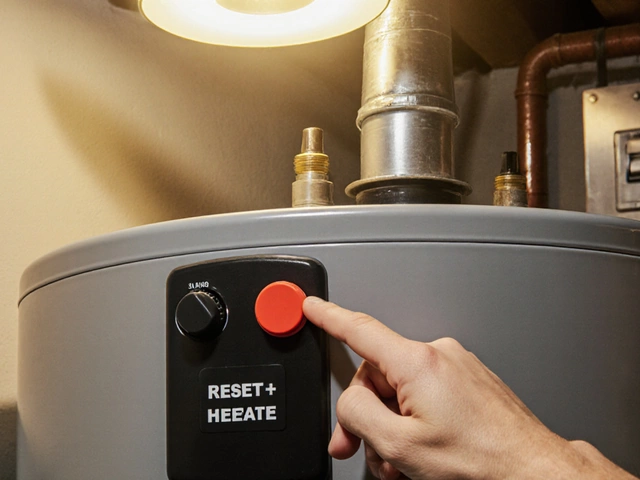
Learn how to safely reset both electric and gas hot water heaters, troubleshoot common issues, and know when to call a professional.
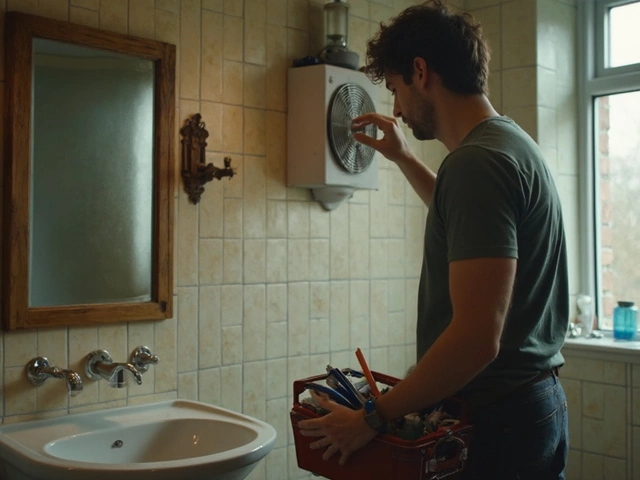
Thinking about swapping out your old extractor fan? This guide digs into how easy (or not) it really is to replace an extractor fan in your bathroom or kitchen. Get the lowdown on what tools you'll need, common surprises people miss, and what makes some fans trickier than others. If you're not sure when to call in a pro, we've got your back there, too. Get ready for a clear, no-nonsense breakdown.
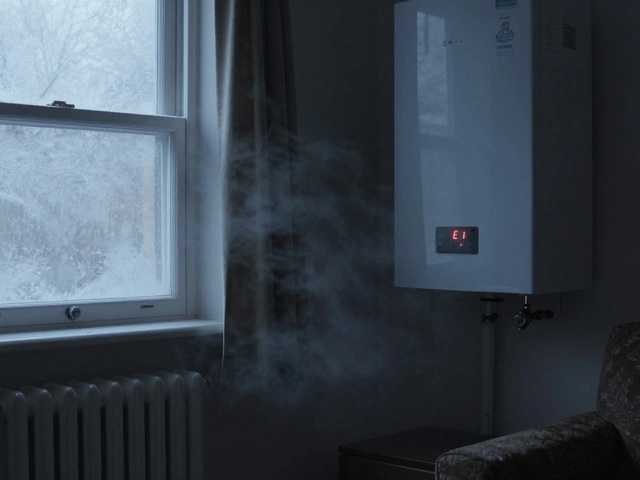
Learn the 7 clear signs your boiler is broken, from cold radiators to strange noises and gas smells. Know when to repair and when to replace before winter hits.

Need to replace your electric oven element? Find out how much it costs, what affects the price, and the best options for repairing your oven in 2025.

Thinking about swapping out your gas hob? Safety rules in the UK are strict, and there’s more to it than just unscrewing pipes. This article looks at whether you really need a gas engineer for the job, what could go wrong if you cut corners, how to pick the right pro, and little-known facts about what happens during an installation. It’s a no-nonsense breakdown for anyone facing a hob swap, putting your safety at the front of the queue.