

Is your fridge warming up while the light stays on? You’re not alone. Most fridge hiccups are simple, cheap, and fixable without calling a technician. Below you’ll find the most common culprits and step‑by‑step actions you can take right now.
1. Door seal isn’t tight. A worn or dirty gasket lets warm air in. Check the seal by closing the door on a dollar bill; if it slides out easily, the gasket needs cleaning or replacement. Wipe it with warm soapy water, dry it, and test again.
2. Temperature setting is wrong. The dial may have been nudged during cleaning. Set the thermostat to the middle setting (usually 3 or 4) and give the fridge 24 hours to stabilise before adjusting further.
3. Condenser coils are dusty. Coils sit behind or underneath the fridge; dust blocks heat exchange, causing the compressor to overwork. Pull the fridge out, unplug it, and vacuum or brush the coils for a few minutes. Plug it back in and watch the temperature drop.
4. Frost buildup in the freezer. Too much frost makes the freezer work harder, pulling heat from the fridge compartment. Defrost manually by turning the fridge off, removing food, and letting ice melt. Clean and dry, then restart.
5. Overfilled fridge. Storing too much food restricts airflow. Rearrange items so that air can circulate freely, especially around the back where vents are located.
6. Faulty evaporator fan. If you hear a humming noise but no cooling, the fan may have stopped. Listen for the fan inside the freezer; a silent fan usually needs a replacement. This job often requires a screwdriver and a new fan motor.
7. Defective thermostat or temperature sensor. When the fridge stays warm even after cleaning and setting the dial, the sensor may be broken. Testing usually needs a multimeter, so if you’re comfortable with basic tools, replace the sensor; otherwise, move to the next step.
If you’ve tried the above steps and the fridge is still warm, it’s time to get a pro. Common issues that need a qualified technician include a bad compressor, refrigerant leak, or electronic control board failure. These problems require special tools, refrigerant handling certification, and warranty considerations.
Call a local repair service, like Bognor Regis Appliance Repair Experts, and mention the symptoms you’ve observed. The more detail you give, the quicker they can diagnose and fix the problem.
Remember, regular maintenance—cleaning coils, checking seals, and defrosting when needed—keeps your fridge running efficiently and avoids costly repairs. A few minutes of DIY care each month can save you time, money, and the hassle of a broken fridge.

A practical guide for diagnosing common refrigerator problems, spotting signs of faults, and fixing them at home with tips and real-world facts.

Ever opened your freezer to find squishy ice cream or thawed food when it should be rock solid? This article digs into the real reasons your freezer refuses to stay frozen, from simple mistakes to sneaky mechanical fails. Learn how to spot common culprits, fix minor issues yourself, and know when things are actually serious. Packed with practical tips and straightforward advice, you'll get the cold facts and solutions you need. No jargon, just help you can actually use.
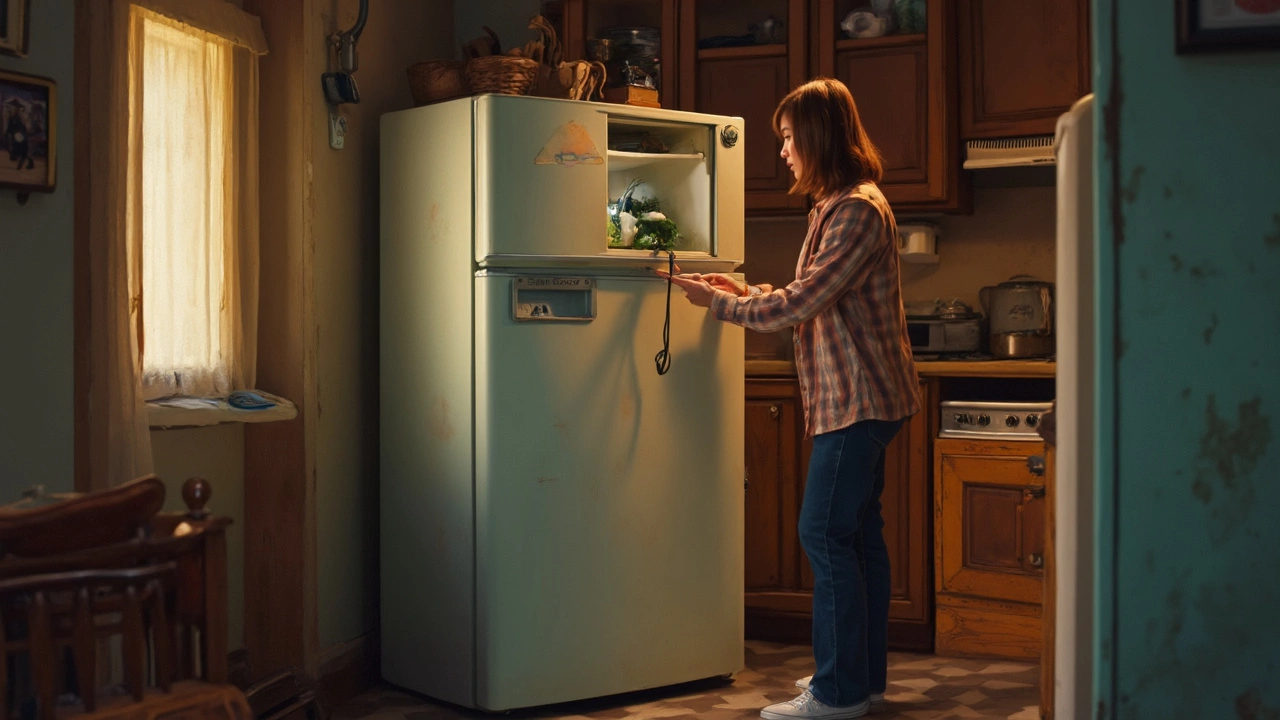
When your refrigerator suddenly stops working, it can cause quite a panic. But before calling in the repair services, there's one crucial thing you should check first: the power source. This step is often overlooked but can save you both time and money. Reliability and efficiency in troubleshooting can help bring your fridge back to life or at least determine the next best steps.

Leaving an electric oven on overnight sounds harmless, but it could spell real trouble. Learn the risks, facts, and safer options for your late-night cooking needs.
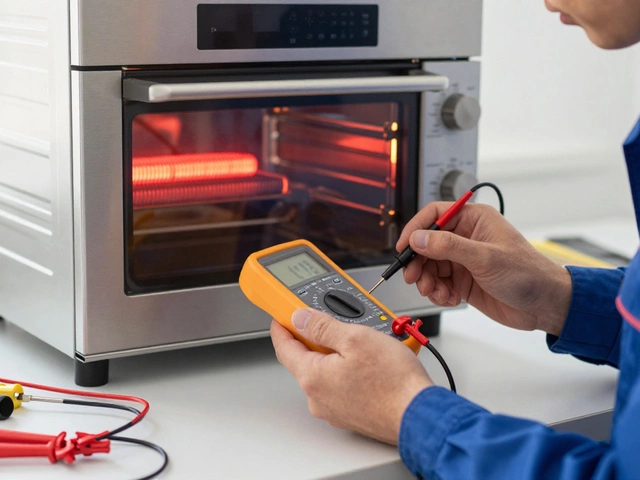
Learn the real cost to fix a broken oven, from common repairs like heating elements and thermostats to when it's better to replace. Get pricing, tips, and expert advice for 2026.
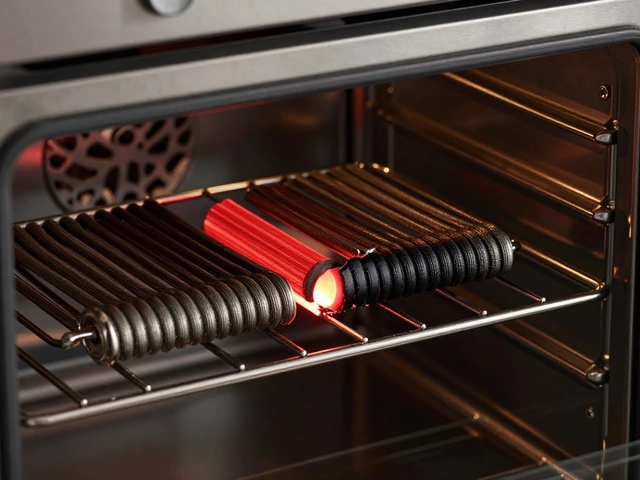
Replacing an oven element costs £80-£150 professionally or £15-£40 for DIY parts. Learn when to repair vs. replace, how to choose an engineer, and tips to extend your oven's life in our 2026 guide.
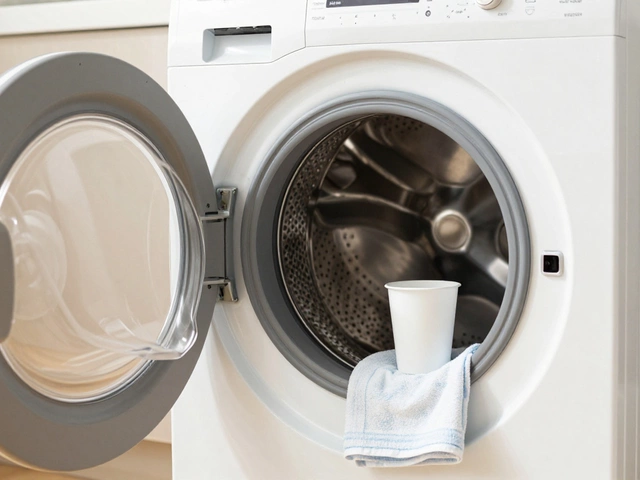
The longest average lifespan of a washing machine is 15-20 years for high-quality models with proper care. Most last 8-12 years, but maintenance, load size, and water quality make a huge difference. Learn how to extend your washer's life and when to repair vs. replace.
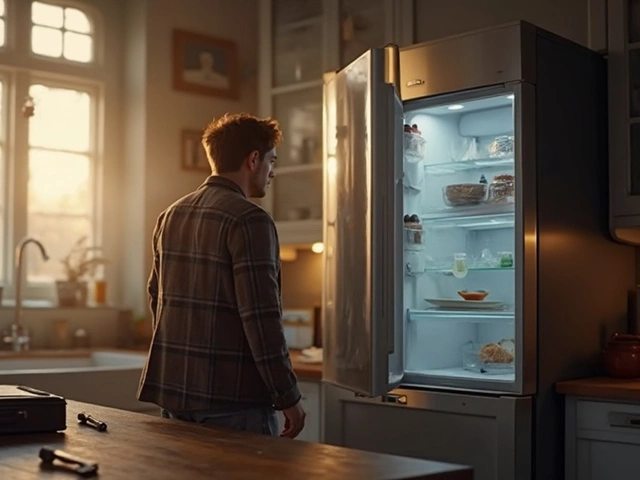
If your freezer isn't doing its one job—keeping things cold—you're in a pickle. But before you start shopping for a new one, there are a few things you might try to get it back to work. From checking the power source to cleaning coils, fixing cooling problems can often be simple and straightforward. Let's explore some potential solutions to get your freezer chilling again.