

If your freezer is making odd noises, leaking water, or just isn’t keeping food frozen, it might be time for a replacement. Trying to fix an old unit can end up costing more than a brand‑new one, especially when parts are hard to find. Below you’ll find practical steps to decide if replacement is right, choose a model that fits your kitchen, and get it installed without a headache.
Look for these red flags before you spend money on another repair:
When you see two or more of these signs, start planning a replacement rather than a repair.
Picking a new freezer isn’t just about size. Think about how you use it day to day.
Once you’ve narrowed down the type, read a few user reviews. Real owners will tell you if the door seal holds up or if the temperature controls are reliable.
When you have a model in mind, compare prices at local retailers and online stores. Don’t forget to add delivery and installation fees to the total cost.
Putting a new freezer in place is usually straightforward, but a few steps can prevent future headaches:
If you’re not comfortable moving a heavy freezer or need new plumbing for a frost‑free model, call a local specialist. Bognor Regis Appliance Repair Experts can handle delivery, removal of the old unit, and proper set‑up, ensuring you stay within warranty requirements.
Replacing a freezer is a chance to boost energy efficiency, gain extra storage, and avoid costly breakdowns. Use the signs above to decide when it’s time, pick a model that matches your lifestyle, and follow the simple installation steps. With a little planning, your new freezer will keep food fresh for years to come.

Deciding between repairing and replacing a freezer can be tricky. This article guides you through evaluating repair costs, expected lifespan, and energy efficiency before making a decision. It provides practical advice to help you make an economical choice, whether to fix or replace your freezer. Learn important factors to consider, like repair frequency and environmental impact, to ensure you spend wisely.

Deciding whether to fix or replace your oven in 2025? Learn real repair costs, when replacement saves money, safety risks of old ovens, and how to make the smart choice without overpaying.
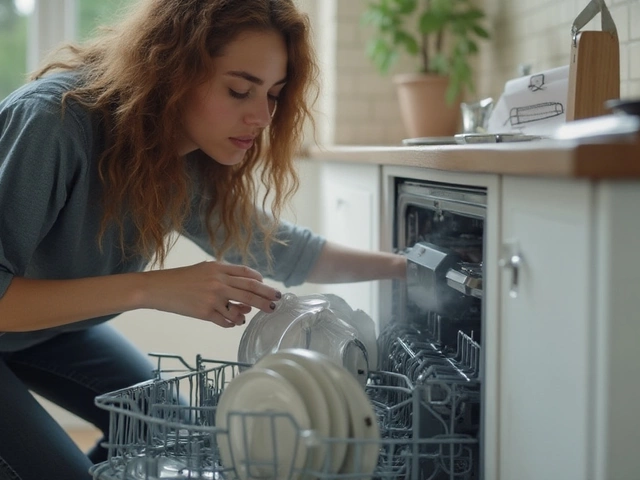
Determining whether your dishwasher requires repair or replacement can save you both time and money. This article guides you through recognizing common issues, assessing the efficiency of your current dishwasher, and deciding on repair versus replacement. Gain insights into the lifespan of dishwashers and learn handy tips for maintaining them. Make well-informed decisions about your kitchen appliances for a hassle-free experience.
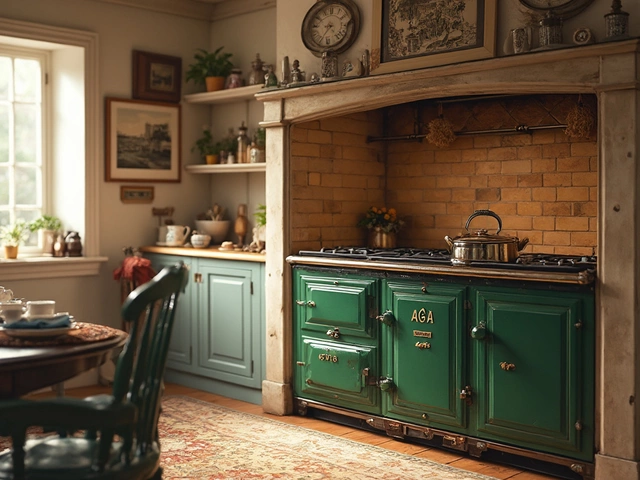
Ever wondered how long your trusty range oven will last? On average, a well-maintained range oven can serve you for about 10 to 15 years. Routine cleaning and minor repairs can help extend its lifespan. Knowing when to repair or replace your oven is crucial for efficiency and safety. Read on for practical tips to make sure your oven lasts as long as possible.

Leaving an electric oven on overnight sounds harmless, but it could spell real trouble. Learn the risks, facts, and safer options for your late-night cooking needs.
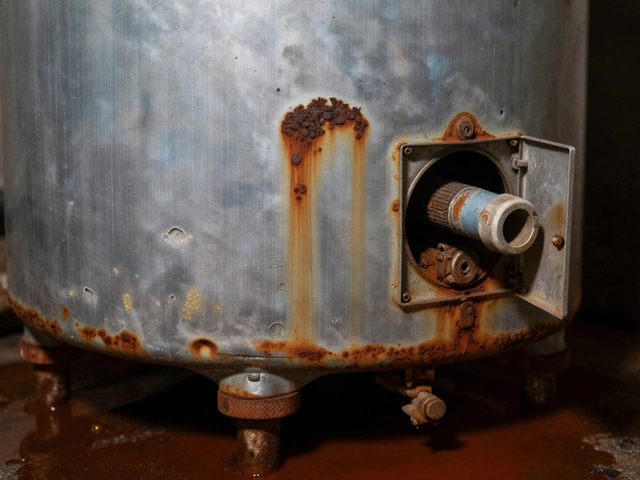
Water heaters commonly fail due to heating element burnout, thermostat issues, corrosion, and sediment buildup. Learn the top causes and how to spot them early to avoid costly repairs or sudden breakdowns.