

Got a washing machine that’s making funny noises, leaking, or just won’t spin? You don’t have to panic or call a tech right away. Most everyday faults are simple enough to sort out with a few tools and a bit of know‑how. Below we break down the most common issues, how to diagnose them, and what you can do yourself before you pick up the phone.
The first clue is always the symptom. Is the drum not turning? Is water not draining? Is the machine leaking from the front or bottom? Write down exactly what you see or hear – a humming sound, a squeal, a clunk – and when it happens (during wash, rinse, spin). This helps you narrow down the culprit and saves time during the fix.
Most problems fall into four groups:
Keep the power off and unplug the unit before you start any investigation – safety first.
1. Clean the filter and pump. A blocked filter is the #1 cause of drainage problems. Locate the small door behind the front panel, pull out the filter, clear any lint, coins or hair, and rinse it. Check the pump impeller for debris; a quick spin by hand shows if it’s stuck.
2. Level the machine. If the washer wobbles, use a spirit level on the top. Adjust the four rubber feet until all sides are even. Tighten the lock nuts – an unlevel machine can cause loud banging and wear out bearings faster.
3. Inspect the drive belt. Front‑loaders often use a rubber belt to turn the drum. Open the back panel, look for cracks or fraying. If the belt is loose, tighten the tensioner or replace the belt entirely – it’s cheap and a quick swap.
4. Check hoses for leaks. Examine the inlet and discharge hoses for cracks or loose clamps. Tighten any connections and replace any hose that shows wear. Leaking hoses are easy to miss but cause water damage quickly.
5. Reset error codes. Many modern machines show a flashing pattern. Look up the code in the user manual (or online) and follow the reset steps – usually turning the machine off for a minute and restarting.
If after these steps the problem persists – especially if you hear a burnt smell, see sparks, or the machine still won’t spin – it’s time to call a professional. At Bognor Regis Appliance Repair Experts we specialize in washing machine repairs, have the right parts on hand, and can fix most makes within an hour.
Remember, regular maintenance keeps your washer alive longer. Run a cleaning cycle once a month, wipe the door seal, and never overload the drum. A little care now saves you a costly repair later.
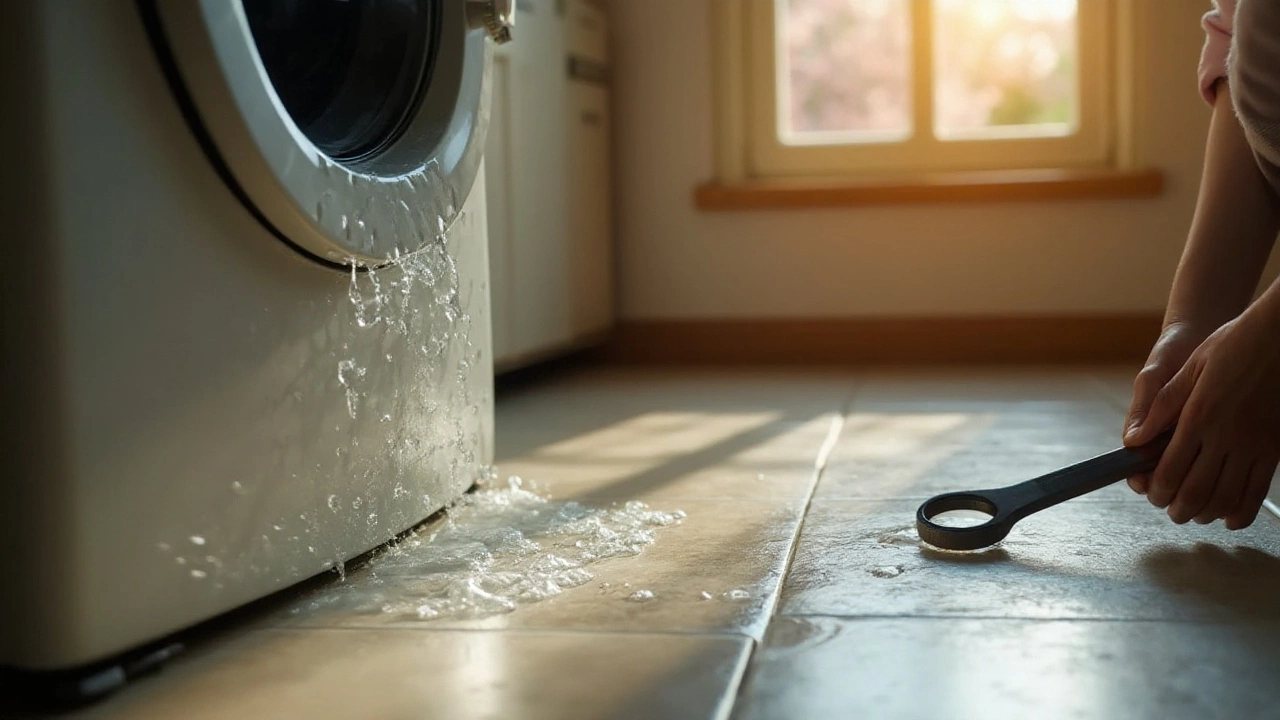
Washing machines are among the most used household appliances, making them prone to various problems over time. This article explores the most frequent issues like leaks, drainage problems, and strange noises. Understanding these problems can help in diagnosing issues quickly and considering effective repairs. The article also offers helpful tips to maintain your machine and keep it running efficiently for years. Simple maintenance steps can prevent most common problems from occurring.

Wondering how long your water heater should last? This article dives into the expected lifespan of various types of water heaters, factors impacting their longevity, and signs it might be time for a replacement. With practical tips on maintenance, you can extend the life of your heater and avoid breakdowns. Learn what to watch out for to ensure you have hot water when you need it, without unexpected surprises.

Microwaves are essential in modern kitchens, but when they break down, deciding whether to repair or replace them can be tricky. This article explores the factors that influence repair decisions, common microwave issues, and when it's more economical to buy a new one. It also offers tips on maintaining your microwave to prevent future problems. Understand the costs involved and make an informed choice on your kitchen appliances.

Ever wondered who foots the bill for boiler service in your home? This article delves into the responsibilities of homeowners and landlords when it comes to boiler maintenance. It offers practical tips for navigating service agreements and highlights some surprising facts about cost-savings that effective maintenance can offer. Discover insights and advice on ensuring your boiler runs smoothly without burning a hole in your wallet.

Find out exactly how much laptop repair costs in the UK in 2026. Learn the 50% rule for deciding when to fix or replace your device, average prices for screens, batteries, and motherboards, and tips to avoid overpaying.
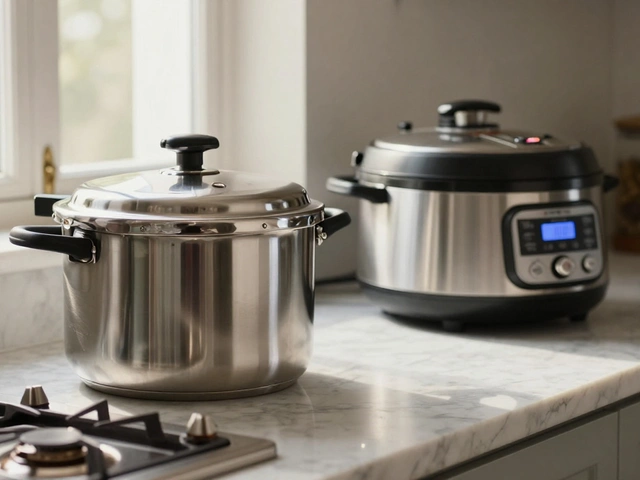
Discover how long pressure cookers last, comparing stovetop vs electric models. Learn signs of wear, repair options, and maintenance tips to extend lifespan safely.