

If your microwave suddenly stops heating, starts sparking, or makes odd noises, you probably feel frustrated. The good news is many of these issues are easy fixes you can try before calling a technician. Below is a straight‑forward guide that walks you through the most common problems and what to do about them.
First, always unplug the microwave. Safety is the top priority because the unit contains high‑voltage parts even when it’s off. Once it’s unplugged, you can inspect the interior and the exterior without any risk of electric shock.
1. Microwave Won’t Heat – The most typical cause is a faulty high‑voltage diode or a burnt magnetron. A quick test is to place a cup of water inside, run it for 30 seconds, and feel if the water gets warm. If not, the microwave is not generating microwaves. Replacing a diode is a relatively cheap DIY job if you’re comfortable with basic tools. If the diode looks fine, the magnetron may be the culprit, and that usually means it’s time to call a professional.
2. Turntable Doesn’t Spin – Check the turntable motor and the roller guide. Often, food particles jam the guide or the motor’s gear wears out. Clean any debris, and if the motor still doesn’t turn, swapping the motor is a simple replacement that many homeowners can handle with a screwdriver.
3. Strange Noises – Buzzing or humming can be a loose fan blade or a failing capacitor. Open the microwave’s outer casing (again, after unplugging) and look for any loose screws or rattling parts. Tightening the fan screws often stops the noise. If the sound persists, the capacitor may need testing with a multimeter – a step best left to a qualified tech.
4. Light Works but No Heat – This usually points to a broken door latch or a malfunctioning interlock switch. The microwave won’t heat if the door isn’t properly sealed. Inspect the latch for cracks and replace it if needed. Interlock switches are cheap and easy to swap.
5. Sparks Inside the Cavity – Sparks often mean there’s a metal object or a damaged waveguide cover inside. Remove any metal containers and check the waveguide for burn marks. If the cover is cracked, replace it; it’s a low‑cost part that restores safe operation.
Even if you’re handy, some issues are better left to experts. If you discover a burnt magnetron, a faulty high‑voltage transformer, or any component that involves the high‑voltage capacitor, call a certified microwave repair service. These parts can store dangerous charges for days, and mishandling them can cause serious injury.
Also, if your microwave is older than ten years and repairs are adding up, weigh the cost of replacement. New models are more energy‑efficient and often come with better safety features.
Regular maintenance can stop many problems before they start. Wipe the interior after each use to prevent food buildup, especially around the waveguide cover. Keep the vent openings clear of dust, and avoid using metal cookware inside the cavity.
Finally, give the microwave a quick visual check every few months. Look for signs of wear on the door seal, and listen for unusual sounds during operation. Spotting small issues early saves you time and money later.
With these tips, you should be able to diagnose and fix most common microwave hiccups. If you ever feel unsure, don’t gamble with high‑voltage parts—reach out to a professional and get the job done safely.
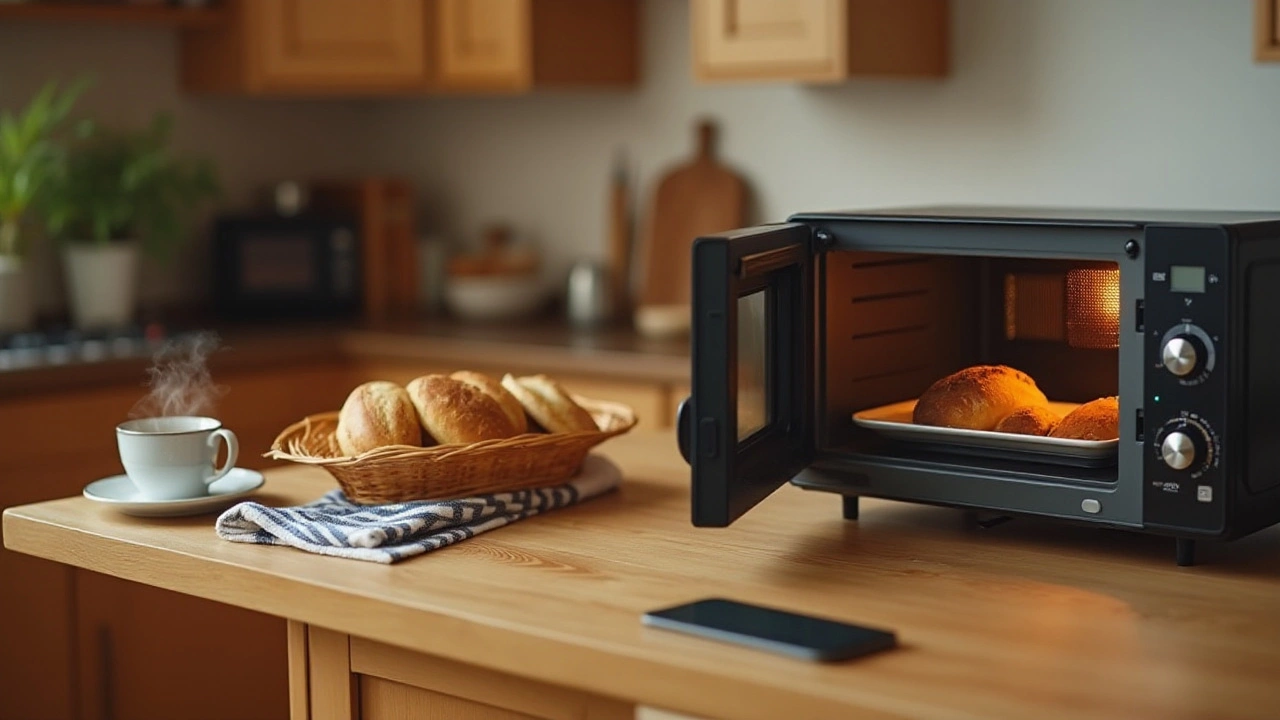
Microwave ovens are essential appliances due to their convenience in heating food. However, they can encounter several problems over time. The most frequent cause of microwave failure is a faulty door switch. This article discusses common microwave problems, how to identify them, and offers practical guidance on how to handle these issues.
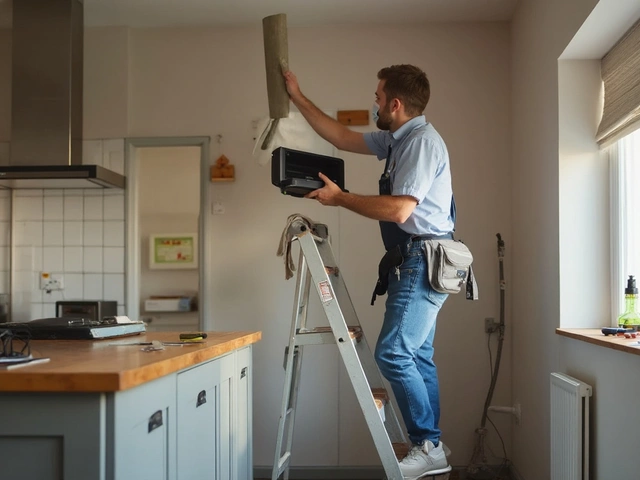
Wondering if you can swap out an extractor fan without calling in a pro? This article breaks down what it really takes to replace an extractor fan yourself, from the easy steps to watch-outs that could trip you up. Learn which tools you’ll need, how to stay safe with electricity, and where to draw the line and call an expert. Get helpful tips and facts straight from a practical perspective. Perfect for anyone ready to tackle a home repair without risking their safety or their ceiling.
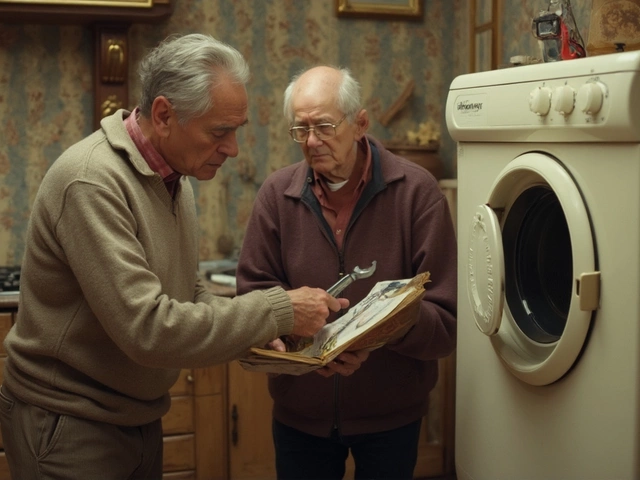
Wondering if fixing your tumble dryer makes sense? This article dives into crucial considerations like repair costs, common issues, and when to replace. Avoid costly mistakes by learning signs that scream 'repair!' or 'replace!' Smart tips help you make the right decision for your dryer woes.
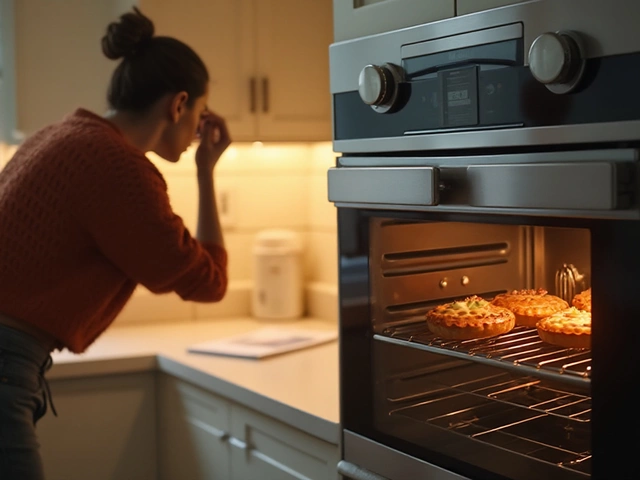
When your electric oven unexpectedly stops working, it can throw your kitchen routine into chaos. Understanding the potential reasons behind this issue can help you fix it quickly. Whether it's a power supply problem, faulty elements, or user error, this guide will walk you through common causes and solutions to get your oven back in working order. Discover useful tips to identify and address troubles with your electric oven efficiently.
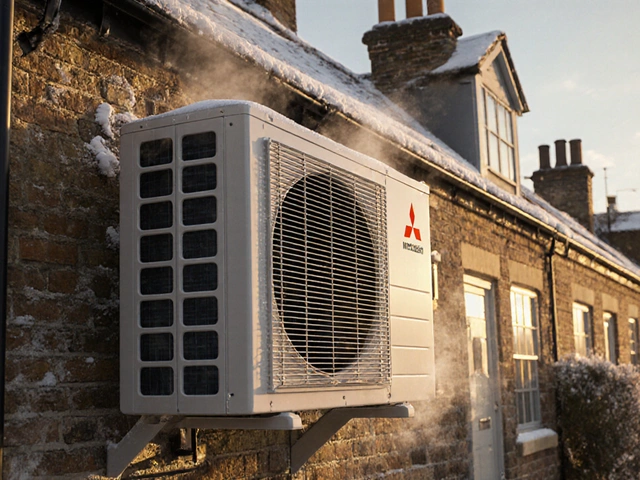
Discover the most reliable heat pump brands for UK homes in 2025, based on real repair data, warranty claims, and installer feedback. Avoid costly mistakes by choosing wisely.
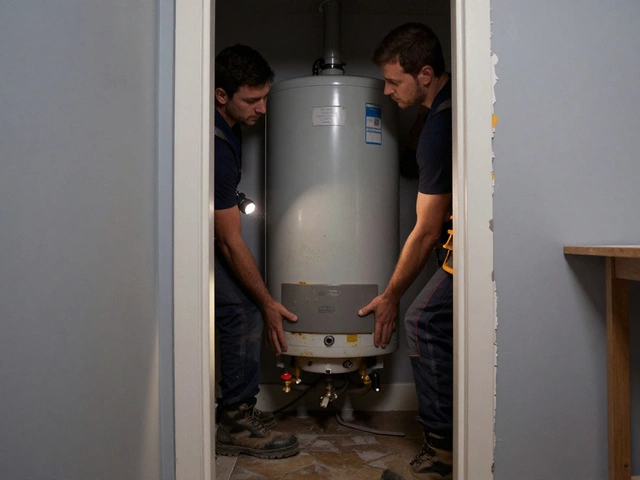
Find out exactly how long it takes to replace a water heater. We break down timelines for tank vs. tankless units, hidden delays, and installation steps to help you plan your schedule.