

Extractor fans keep your kitchen and bathroom fresh, but they can go quiet or smell funny. Most issues are easy to spot and fix, so you don’t always need a pricey call‑out. Below we walk through the typical problems, a quick DIY replacement, and the signs that a professional is the safe bet.
First, check the power. A tripped circuit breaker or a blown fuse is the simplest culprit. If the fan still won’t spin, the motor is likely the problem. Over time, grease, dust, and moisture can coat the blades and motor, causing it to stall.
Another frequent issue is a broken or loose fan belt (on belt‑driven models) or worn bearings. You might hear a humming noise with no air movement – that’s the motor straining.
Lastly, look at the fan’s vent pipe. A clogged duct filled with fat, lint, or mould will choke airflow and make the motor overheat. Regular cleaning keeps the system humming.
If you’ve identified a faulty fan, you can swap it out in under an hour. Gather a screwdriver, a voltage tester, a new fan that matches the size and airflow rating, and safety gloves.
1. Turn off the electricity. Switch off the circuit breaker for the kitchen or bathroom. Use the tester to confirm the wires are dead.
2. Remove the old unit. Unscrew the mounting brackets, disconnect the wiring (note which wire goes where), and pull the fan away from the ceiling or wall.
3. Clean the vent. While the opening is exposed, vacuum out any built‑up grease or dust. A quick brush‑through keeps the new fan running longer.
4. Install the new fan. Attach the new unit to the brackets, reconnect the wires matching the colour code, and secure everything tightly.
5. Test it. Switch the breaker back on and turn the fan on. You should feel airflow and hear a steady hum. If anything sounds odd, double‑check the connections.
That’s it – a fresh fan, clean ducts, and better air quality.
If you spot any of these red flags, it’s time to call an expert:
Professionals have the tools to test motor windings, replace sealed bearings, and ensure the vent complies with building codes. Plus, a qualified electrician or ventilation specialist can safely work with high‑voltage wiring.
Regular maintenance goes a long way. Wipe the fan cover every few months, run a short cleaning cycle for the duct, and listen for any change in sound. A well‑kept extractor fan lasts 5‑10 years, so you’ll avoid costly replacements.
Bottom line: Most extractor fan hiccups are DIY‑friendly, but don’t gamble with electricity or a motor that’s clearly damaged. Keep the steps simple, stay safe, and enjoy fresh air without the hassle.

Extractor fans are essential for maintaining good air quality in homes, but what happens when they break down? This article explores whether electricians are the right professionals to fix extractor fans, the typical issues these fans encounter, and some maintenance tips to avoid frequent repairs. Learn about the repair process and when it might be time to replace your fan altogether.

Gas hobs can suddenly stop working for a bunch of reasons, from ignition troubles to blockages or problems with gas supply. This article breaks down the main causes, so you don't have to guess what went wrong. You'll learn easy troubleshooting steps and a few quirky facts about why these appliances get stubborn. With some quick checks, you might even save yourself a call to the repair guy. Know when it’s a simple fix and when it’s time for a pro.

When your dishwasher starts acting up, a quick, accurate diagnosis can save you from bigger headaches and pricey repairs. This article walks through simple methods to spot dishwasher problems, from weird noises to stubborn leaks. You'll learn what to check first, how to tell if it's a DIY fix, and when it's time to call in a pro. Handy tips and real-life examples make this guide easy to follow, even if you're not a born handyman. Don't let a small hiccup become a kitchen disaster — know what to look for and act fast.
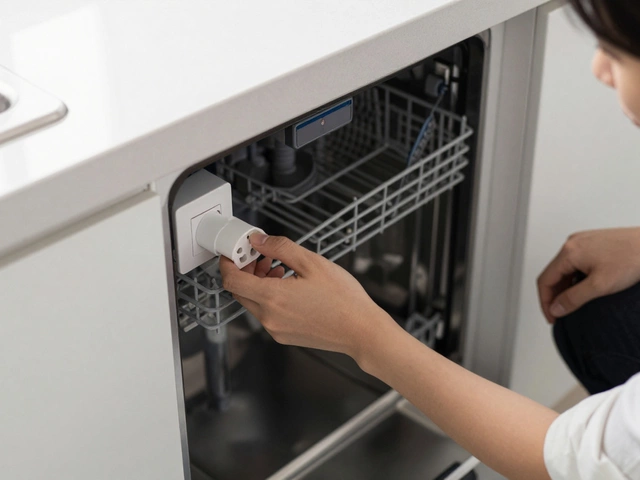
Learn how to reset your dishwasher using hard resets and brand-specific button codes. Quick fixes for Bosch, Samsung, Whirlpool, and more to clear error codes.
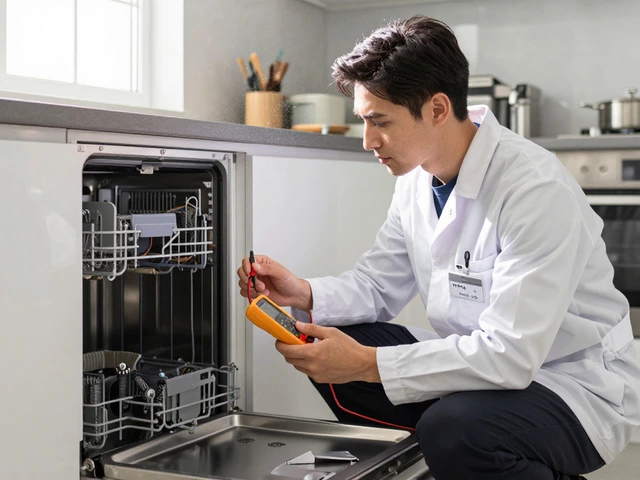
Discover what an appliance specialist really does. From complex diagnostics to safety compliance, learn why hiring a certified expert protects your home and wallet.
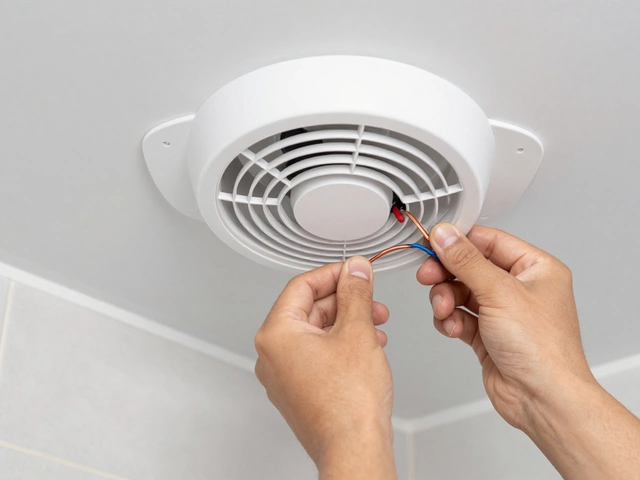
Wondering who should install your extractor fan? Learn when to hire an electrician, HVAC tech, or handyman for safe and efficient ventilation installation.