

Pressure cookers are great for speeding up meals, but when they stop working it can ruin dinner plans. Most issues are simple enough to fix at home, and you don’t need a workshop full of tools. Below you’ll find the most common problems, easy checks, and clear steps to get your cooker back in action.
1. Cooker won’t build pressure. If the lid stays loose or the pressure indicator never rises, the sealing ring is probably worn out or mis‑aligned. Pull the ring off, clean any food residue, and check for cracks. A damaged ring should be replaced – they’re cheap and fit most models.
2. Steam keeps leaking. A whistle that sounds continuously or steam escaping from the handle usually means the valve is blocked. Remove the valve, clean out any food particles, and make sure the spring moves freely. If the spring is stuck, a drop of food‑grade oil can help.
3. The cooker won’t lock. A jammed latch often comes from a buildup of debris around the locking mechanism. Wipe the area with a damp cloth, then spray a little lubricant (silicone spray works best) and try locking again.
4. Over‑cooking or burning food. This is usually caused by using the wrong heat setting. Start on medium heat until pressure builds, then reduce to low. If you’re still getting scorched food, check the gasket for heat damage – a worn gasket can let heat escape unevenly.
Step 1: Safety first. Unplug the cooker, let it cool completely, and release any remaining pressure by following the manufacturer’s instructions. Never try to open the lid while there’s still pressure inside.
Step 2: Inspect the sealing ring. Pull the ring out and look for cracks, hard spots, or food stuck in the folds. Clean it with warm soapy water, then dry it thoroughly. If the ring is older than two years, replace it.
Step 3: Clean the pressure valve. Remove the valve cap, shake out any debris, and rinse it under warm water. Use a small brush to clear the tiny holes. Reassemble and test the valve by turning the dial – you should hear a soft hissing sound.
Step 4: Check the locking mechanism. Spray a tiny amount of silicone lubricant on the latch pins and move the lock back and forth a few times. If it still sticks, inspect the pins for bends and straighten them gently.
Step 5: Test the cooker. Fill the pot with water up to the max line, seal the lid, and bring it to pressure on medium heat. Watch the pressure indicator; it should rise within a few minutes. If it does, the cooker is ready for regular use.
If any of these steps don’t solve the problem, the issue might be deeper – such as a warped base or a faulty safety plug. In that case, it’s best to call a professional appliance repair service. Trying to force a broken part can be dangerous and could void your warranty.
Keeping your pressure cooker in good shape is mainly about regular cleaning and checking the gasket each season. A quick visual check after each use can catch wear before it causes a breakdown. With a little attention, you’ll keep your cooker safe, fast, and ready for those hearty stews and quick rice dishes.

Pressure cookers can usually be repaired, and fixing them at home can save both time and money. This article covers how to spot common problems, which parts can be replaced, and when to leave repair jobs to the pros. You'll also find smart tips to keep your pressure cooker running safely. Even if you're not a 'handy' person, a lot of repairs are easier than you’d think. Don't toss out that pressure cooker until you know what can actually be fixed.
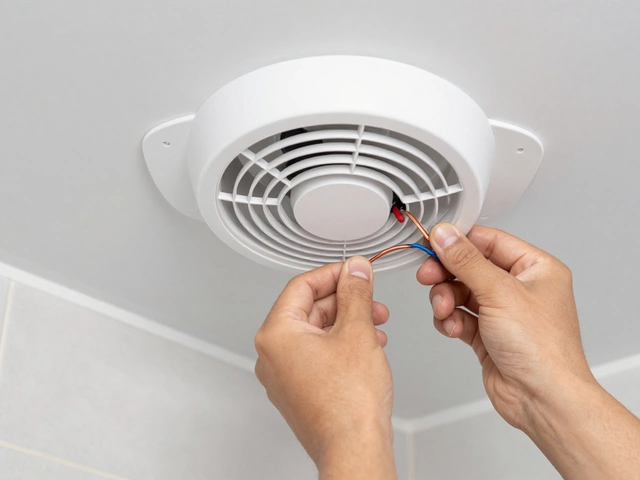
Wondering who should install your extractor fan? Learn when to hire an electrician, HVAC tech, or handyman for safe and efficient ventilation installation.
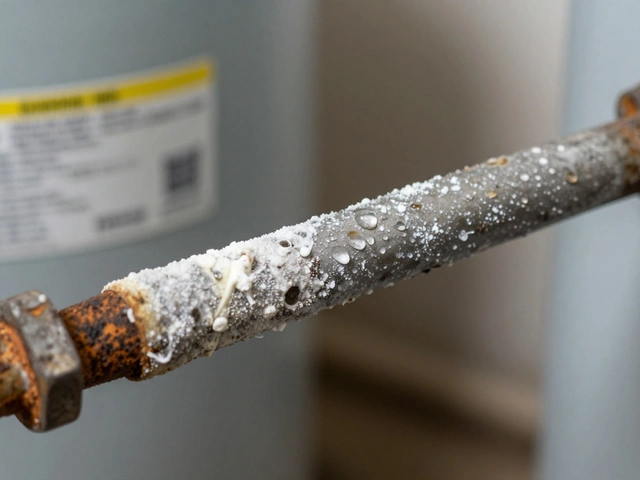
Water heaters commonly fail due to anode rod corrosion, heating element burnout, thermostat issues, and tank rust. Learn the top 5 causes and how to prevent them before you're left with no hot water.

Extractor fans are a lifesaver when it comes to clearing out steam, smoke, and nasty odors, but many people forget they actually need a little love now and then. This article cracks open the question of whether extractor fans need maintenance, and if so, what kind and how often. We'll cover quick tips, warning signs, and busted myths around fan care. Get the straightforward facts (and a few surprises) about keeping your fan working its best. No nonsense, just super practical info you can use right now.

Microwaves are essential in modern kitchens, but when they break down, deciding whether to repair or replace them can be tricky. This article explores the factors that influence repair decisions, common microwave issues, and when it's more economical to buy a new one. It also offers tips on maintaining your microwave to prevent future problems. Understand the costs involved and make an informed choice on your kitchen appliances.

Thinking about ditching your gas appliances? This article breaks down the real pros and cons of keeping or replacing things like your gas stove, water heater, or furnace. Learn how safety, repair costs, and future-proofing your home play into this decision. There are lots of myths out there and we’ll sort out the facts. You'll also pick up practical tips on making the best choice for your budget and home. Let's cut through the noise and find out what really matters for your gas appliances.