

If your microwave stopped heating, makes strange noises, or just won’t turn on, you don’t have to panic. Most issues are caused by a few common parts that you can check yourself before calling a technician. In this guide we’ll walk through the most frequent problems, show you easy DIY fixes, and tell you when it’s safer to call the experts at Bognor Regis Appliance Repair Experts.
First, pinpoint the symptom. Does the microwave display lights but stay cold? Does it power up and shut down after a few seconds? The answer will narrow down the culprit.
1. Tripped door switch. The safety switch that detects a closed door will stop the magnetron from running if it’s faulty. Open and close the door a few times – if the microwave works after a fresh close, the switch may be bouncing and needs replacement.
2. Blown fuse or circuit breaker. Microwaves draw a lot of power, so a blown fuse or a tripped breaker can cause a total loss of power. Check your consumer unit and replace any blown fuses with the same rating (usually 15‑20 A).
3. Failed magnetron. This is the heart of the oven that creates microwaves. If you hear a humming sound but nothing heats, the magnetron is likely dead. Replacing it is more expensive and often best left to a qualified engineer.
4. Faulty turntable motor. If the plate doesn’t spin, food may heat unevenly. The motor is cheap and easy to swap – just remove the lower plate, disconnect the motor wires, and snap in a new unit.
Before you reach for tools, always unplug the microwave. Safety first.
Check the door latch. Look for any debris or broken plastic around the latch. Clean it with a dry cloth and test the door a few times.
Reset the power. Unplug the microwave for two minutes, then plug it back in. This can clear minor electronic glitches.
Inspect the fuse. Most microwaves have a replaceable fuse behind the rear panel. Remove the panel, locate the glass or ceramic fuse, and replace it with the same voltage rating (usually 250 V).
Clean the interior. Food splatters can coat the waveguide cover (the small metal panel behind the door). If it’s dirty, wipe it gently with a damp cloth – a clean waveguide lets microwaves pass properly.
If after these steps the microwave still won’t heat, it’s likely a magnetron or control board issue. These parts involve high voltage and should be handled by a certified technician.
When you’re ready to call a pro, choose a local, Gas Safe‑registered service. Bognor Regis Appliance Repair Experts can diagnose the problem, source genuine parts, and have the right safety checks in place. Their same‑day response means you won’t be waiting weeks for hot meals.
Remember, regular maintenance helps avoid breakdowns. Wipe down the interior after each use, keep the door seal clean, and avoid running the microwave empty. A little care now saves you time and money later.
Got a stubborn microwave that won’t cooperate? Try the quick checks above, and if they don’t work, give the local experts a call. A fast, reliable fix is just a phone call away.

Microwaves seem invincible until they suddenly stop working—usually right when you're hungry. This article tackles what actually breaks down most often in a microwave, from simple blown fuses to tricky magnetrons. You'll learn the telltale signs for each failure, why these things wear out, and how to figure out if it’s something you can fix yourself. Plus, there are practical tips on keeping your microwave running smoother for longer. Perfect for anyone tired of cold leftovers and expensive repair bills.
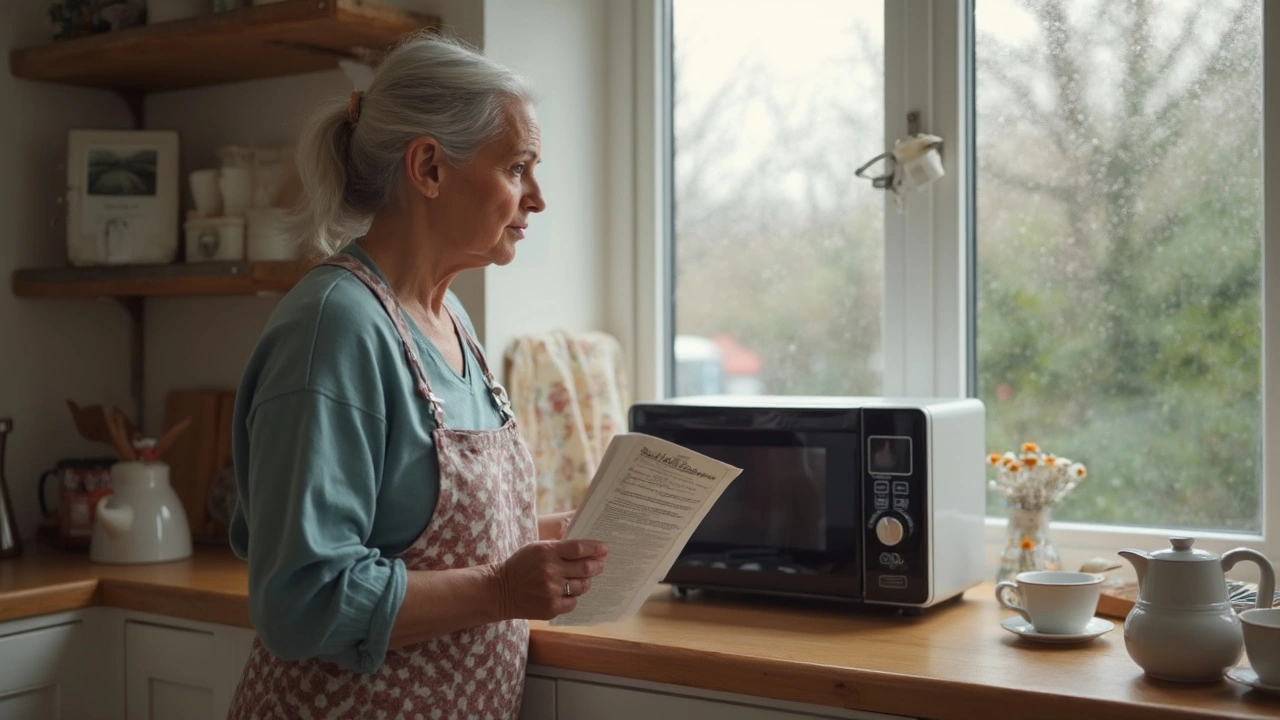
Wondering if you can fix your microwave at home instead of tossing it and buying a new one? This article breaks down common microwave problems, what you can safely handle, and when it's better to call a pro. Get practical tips that actually make a difference, plus real talk about microwave safety. Save yourself time, money, and stress with easy-to-follow advice. Tackling your appliance repair just got a whole lot simpler.
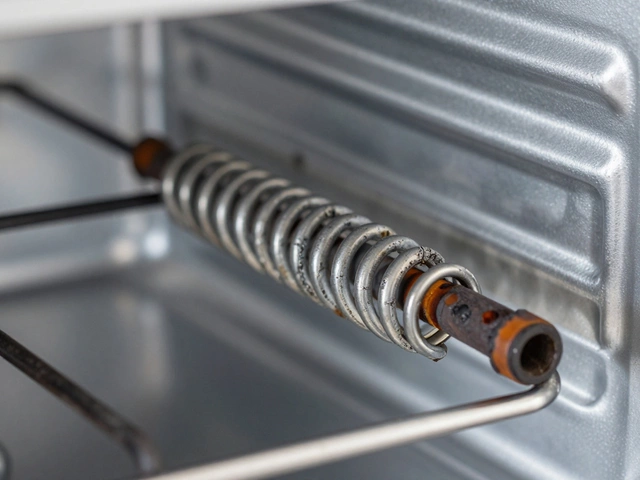
Find out exactly how much it costs to replace an oven heating element in the UK in 2026. Compare DIY vs professional repair prices, learn signs of failure, and decide if repair is worth it.
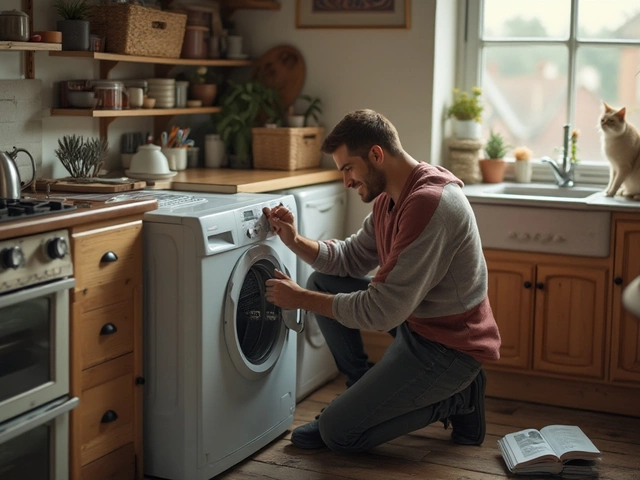
Repairing a washing machine yourself can save time and money, and it's not as difficult as one might think. This article covers the basic steps for diagnosing common issues, tools required for repairs, and safety tips to consider. Whether it's a noisy drum or a leaking gasket, we guide you through essential troubleshooting techniques. Learn how to tackle minor fixes and decide when to seek professional help.

When your water heater only puts out cold water, it’s more than just annoying—it can point to real problems inside the unit. This article breaks down the most common reasons behind a water heater that refuses to warm up, from tripped breakers to busted heating elements. You’ll find tips on quick checks you can do at home before calling a pro, plus some unexpected facts about how water heaters really work. Knowing what’s wrong can save you from a frigid morning shower and a giant repair bill. Get ready to tackle that cold water problem with practical advice you can use right away.
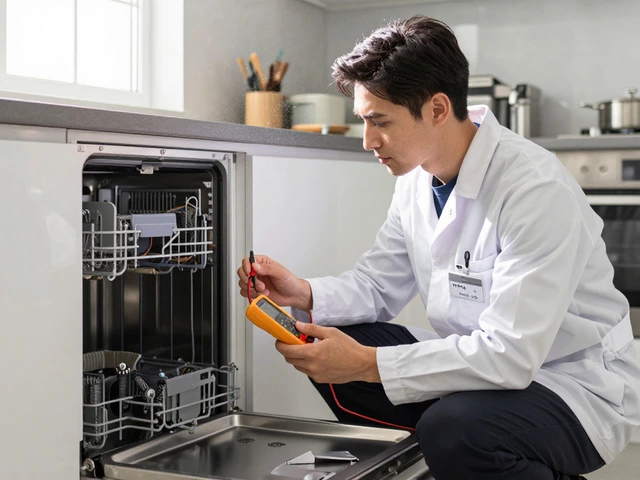
Discover what an appliance specialist really does. From complex diagnostics to safety compliance, learn why hiring a certified expert protects your home and wallet.
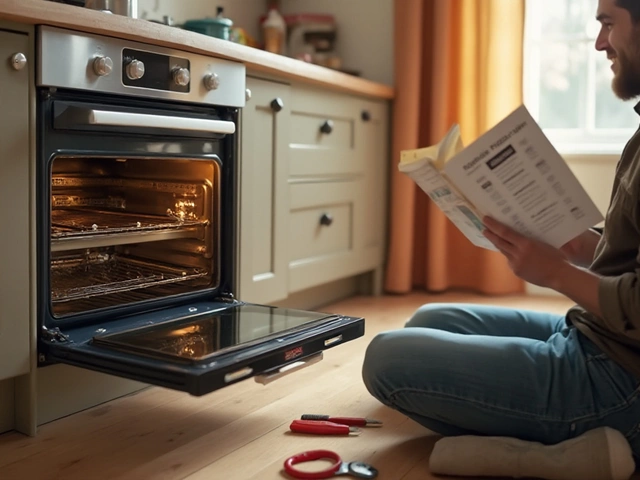
If your electric oven isn't heating properly, it might be time to replace the heating element. Understanding the costs and what's involved in the repair process can help you make informed decisions. This article dives into the factors affecting replacement costs, step-by-step guidance on how to change the element, and practical tips to ensure your oven runs smoothly. With these insights, you can tackle the repair yourself or hire the right professional for the job.