

If your boiler stops heating or makes weird noises, you don’t have to panic. Most issues are small and can be sorted fast, saving you a call‑out and a hefty bill. Below we walk through the most common boiler hiccups, quick checks you can do yourself, and clear signs when you should call a qualified engineer.
No Heat or Hot Water – First, make sure the thermostat is set higher than the room temperature and the timer is on. Check the pressure gauge; most boilers need a pressure between 1 and 1.5 bar. If it’s low, use the filling loop to top it up until the gauge reads within range. Bleed any radiators that feel cold at the top – a simple key will release trapped air and often restores warmth.
Strange Noises – A clicking or whistling sound usually means trapped air or a build‑up of limescale. Turn the boiler off, let it cool, then bleed the radiators and clean the heat exchanger with a descaling solution if you feel comfortable. If the banging persists, it could be a pump issue, which is best left to a pro.
Leaking Water – Look around the pipework and the boiler body for any drips. Small leaks from the pressure relief valve may just need a replacement washer. Tighten any loose connections with a wrench, but don’t over‑tighten. A large leak or one coming from the main boiler casing means a serious fault – shut the system off and call an engineer.
Even if you’re handy, boilers involve gas, water, and electricity – a wrong move can be dangerous. Call a Gas Safe registered engineer if you see any of these signs:
These issues need professional tools and knowledge. Trying to fix them yourself could void warranties or cause safety hazards.
Regular maintenance is the best way to avoid most problems. A yearly service checks the heat exchanger, gas valve, and safety controls, keeping everything running efficiently. If you haven’t had a service in the last 12 months, book one now – it’s often cheaper than emergency repairs.
To sum up, start with the easy checks: thermostat, pressure, radiators, and visible leaks. If the boiler still misbehaves, or if you notice any gas smell, call a certified engineer right away. With a bit of routine care and quick troubleshooting, you’ll keep your home warm and safe without breaking the bank.
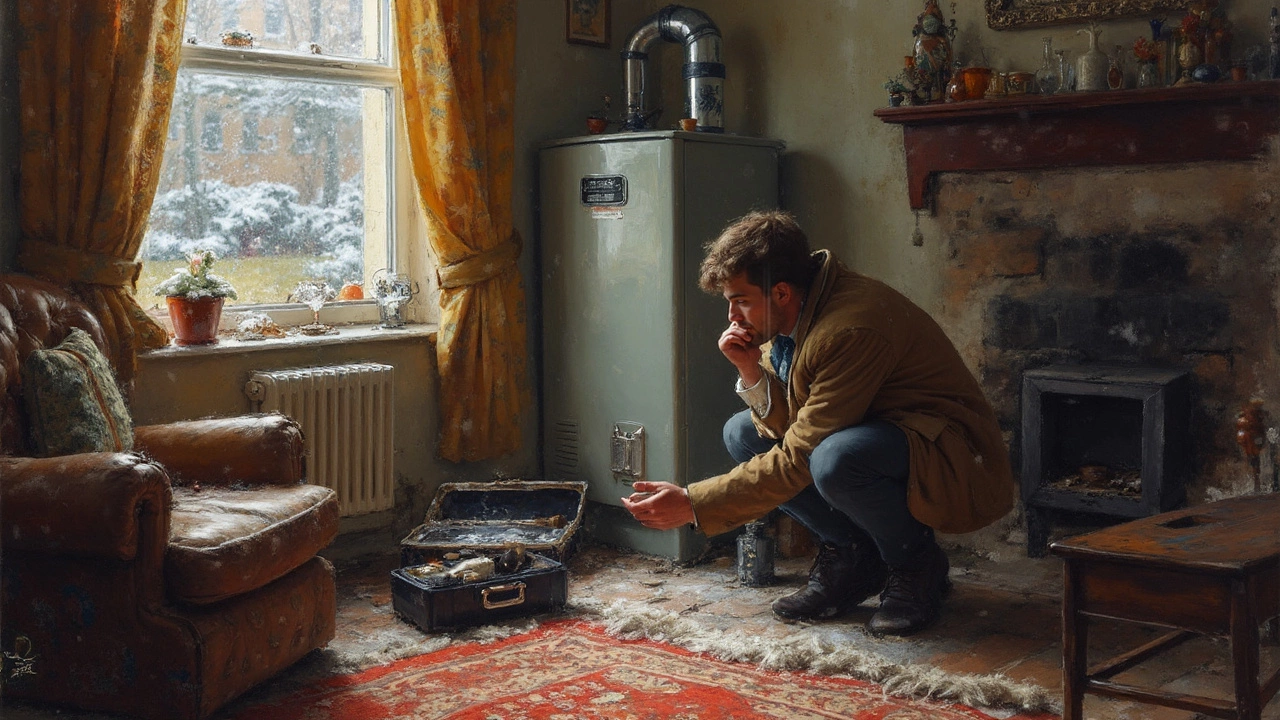
Struggling with a troublesome boiler? Discover the most frequent issues like lack of heat, strange noises, and leaking water. Learn practical tips and tricks on how to diagnose and fix these problems on your own. Recognize when it's time to call a professional and keep your home warm and comfortable.

Electric ovens are handy, but they're not immune to problems. This article breaks down the most common faults people face, from ovens not heating properly to strange noises and error codes. You’ll get real tips on troubleshooting and signs when it’s time to call in the pros. Save time (and maybe some frustration) by knowing what to look out for. Find out why your oven might let you down and how to deal with it.
Find out why your hot water vanished, walk through quick DIY checks, learn simple fixes, and know when to call a professional for reliable heat restoration.
Find out exactly how much it costs to fix a freezer that won't freeze in the UK. We break down repair prices for thermostats, compressors, and seals, helping you decide whether to repair or replace your appliance.
Choosing a reliable washing machine can be a daunting task given the numerous options available. This article provides insights into brands known for fewer repair issues and shares tips to maintain and extend the washer's lifespan. With technological advancements and design improvements, knowing how to select a durable washer can save time and money. Learn about the top performing washer brands based on recent studies and consumer reports. Also, discover interesting ways to keep your machine running smoothly.
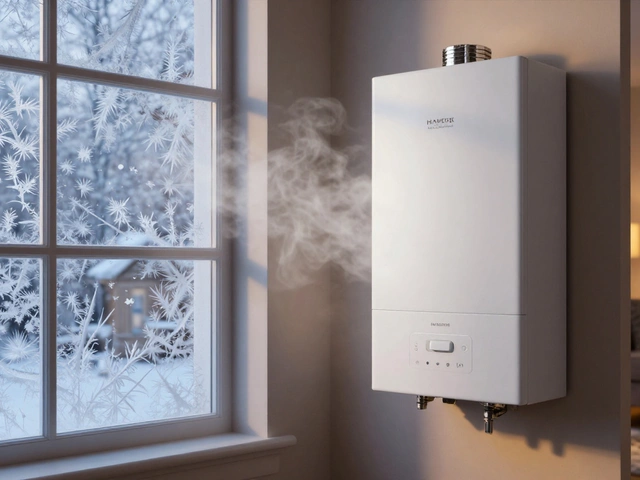
Boiler repair costs in 2026 range from £80 to £1,500 depending on the fault. Learn average prices for common fixes, hidden fees, and when to repair versus replace your boiler.