

If your microwave hums but never heats, flashes error codes, or just won’t turn on, you’re probably wondering what’s wrong and if you can fix it yourself. The good news is many issues are easy to spot and solve. The not‑so‑good news is that some problems need a qualified technician – especially if you live in Bognor Regis and want the job done right the first time.
First, let’s run through the usual suspects. A microwave can stop heating for several reasons:
Knowing which of these is likely helps you decide whether a DIY check will do the trick.
Before you pick up the phone, try these quick steps:
If any of these steps solve the problem, great! You’ve saved a service call. If not, it’s time to consider professional help.
Microwaves contain high‑voltage components that can store a dangerous charge even when unplugged. Trying to replace a magnetron or control board without proper training is risky. That’s where Bognor Regis Appliance Repair Experts come in. Our technicians know the safety procedures, have the right tools, and can get your microwave back to full power quickly.
When you call us, we’ll diagnose the fault, give you a clear cost estimate, and fix it on the spot if possible. Whether it’s a simple door switch replacement or a full magnetron swap, we aim to have your kitchen back in action with minimal hassle.
Remember, a microwave that won’t heat isn’t just an inconvenience – it can also be a sign of larger electrical issues. Don’t ignore it, especially if you see sparks, strange smells, or repeated error codes.
Bottom line: do the quick safety checks yourself, but don’t gamble with high‑voltage repairs. If the problem persists, call Bognor Regis Appliance Repair Experts for a fast, reliable service that’ll have your microwave humming again in no time.

Figuring out if your microwave is on its last legs can save you a lot of hassle. There are various signs that might indicate it's time for a fix or a replacement. Understanding these symptoms can help maintain your kitchen's efficiency. Here’s what you need to watch for: strange noises, inconsistent heating, and more. Catch these early, and you might avoid a total breakdown.

If your boiler stops working, know who to call and what to do immediately. This guide covers emergency steps, how to find a Gas Safe engineer, repair costs, and how to prevent future breakdowns in the UK.

A practical guide for diagnosing common refrigerator problems, spotting signs of faults, and fixing them at home with tips and real-world facts.
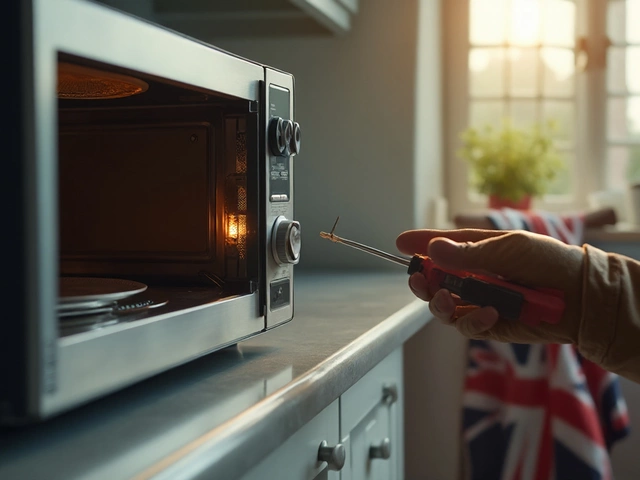
Learn fast how to spot a blown microwave fuse, test it safely, and replace it yourself. Step‑by‑step instructions, tools needed, and common pitfalls covered.

Deciding whether to repair or replace a dishwasher can be challenging. This article explores factors like cost, lifespan, and environmental impact to help homeowners make an informed decision. Learn about common dishwasher issues and repair tips to prolong its life. Evaluate professional repair services versus DIY fixes and consider when it's time to let go and invest in a new appliance.
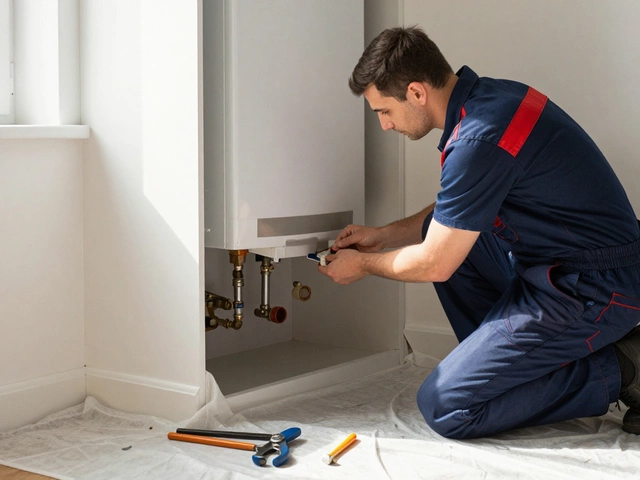
Replacing a boiler in the UK typically takes one to three days, depending on the type of boiler, system complexity, and home layout. Most installs finish in a single day if the new unit is in the same location.