

When an oven or hob stops heating, the culprit is often a bad element. It’s frustrating, but you don’t have to wait for a technician if you know the basics. Below you’ll find the signs of a faulty element, safe DIY steps, and clear guidance on when to call a professional.
First, check if the element looks burnt, cracked, or broken. A quick visual inspection can reveal black spots or bulges. If the oven heats unevenly or not at all, turn the knob to the highest setting and listen for a faint click – that’s the element trying to power up.
Another tell‑tale sign is a tripped circuit breaker after you use the appliance. A weak element can draw extra current and shut the breaker off. If you’ve noticed any of these clues, the element is likely the problem.
Before you start, gather a screwdriver, a replacement element that matches your model, and a pair of insulated gloves. Safety first: unplug the appliance or switch off the relevant circuit at the fuse box.
1. Remove the old element. Unscrew any bolts holding it in place and gently pull it out. Some ovens have a metal cap that slides off; others use a locking tab you’ll need to release.
2. Check the wiring. Look for any loose or corroded connections. If the wires look damaged, trim the ends and use new connectors.
3. Install the new element. Slide it into the slot, align the bolt holes, and tighten securely. Re‑attach any caps or brackets.
4. Test it. Plug the appliance back in, turn it on, and see if it heats up. If it works, you’ve saved time and money.
If anything feels off – the element won’t fit, wires look melted, or you’re unsure – stop and call a qualified repair tech. Bad wiring can be dangerous, and a pro will ensure everything meets safety standards.
Regular maintenance can keep elements from failing early. Keep the oven clean, avoid spilling grease on the element, and run a quick heat‑up cycle every few months to check performance.
So, the next time your hob or oven refuses to heat, you now have a clear plan. Spot the problem, decide if a DIY swap is safe, and know exactly when to hand it over to a specialist. With these simple steps, a faulty element won’t keep you from cooking your favourite meals for long.
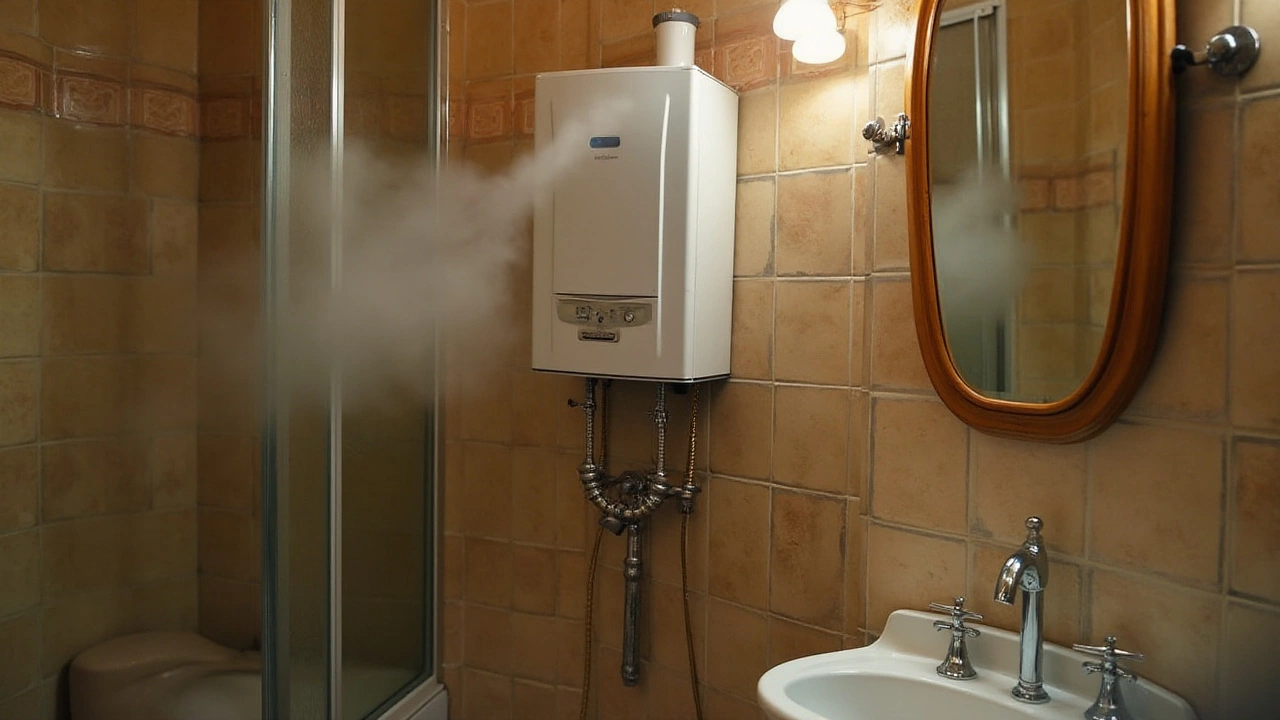
When your hot water heater isn't supplying the steamy showers you're used to, it might be due to a faulty heating element. This article dives into common indicators of a malfunctioning water heater element, such as unusual noises, inconsistent water temperatures, and an unexpected spike in your energy bills. You'll learn how to diagnose potential issues and gather insights on troubleshooting these problems. While some fixes might require professional expertise, understanding the basics can help you pinpoint the root of the problem and decide the best course of action. Get ready to reclaim your warm water comfort!
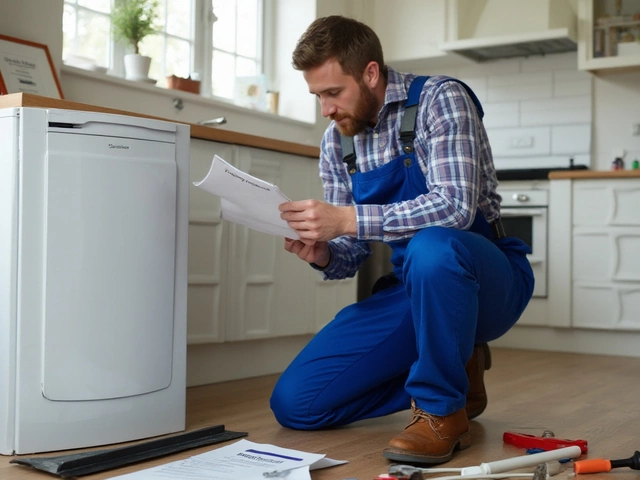
Plumbers are often the go-to professionals for a wide range of home repairs, but when it comes to boilers, it's essential to know their scope of work. This article delves into whether plumbers can actually handle boiler installations and replacements. You'll uncover what specific skills and certifications are required for boiler work, why hiring a specialized heating engineer may be recommended, and the potential risks of using underqualified technicians. Whether you're considering a new boiler or need an existing one serviced, understanding who is best suited for the task is crucial.
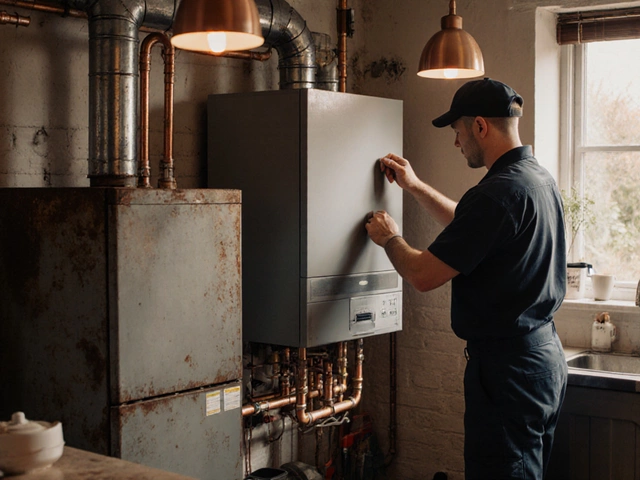
Find out how much a new boiler costs in 2025, including prices by type, installation fees, rebates, and how to avoid overpaying. Learn when to replace your boiler and what to look for in a quote.
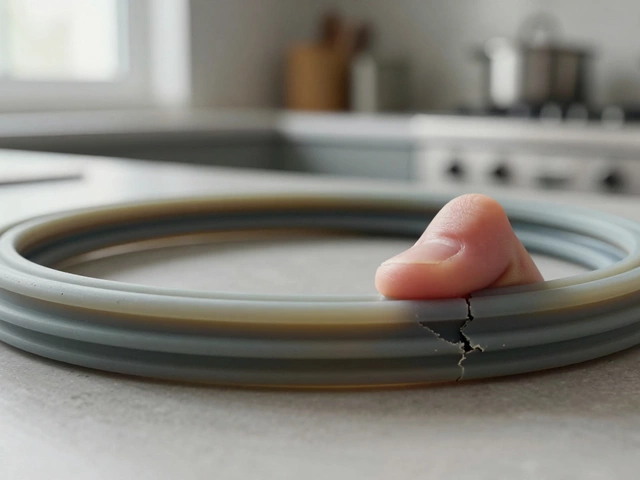
The most common pressure cooker problems are leaking steam, bad seals, clogged valves, and lid issues. Learn how to diagnose and fix them yourself before replacing your cooker.

Repairing a glass hob is an essential task for maintaining a functional and modern kitchen. The cost of fixing a glass hob can vary greatly depending on the damage's severity and the required repair type. This article delves into the various factors influencing repair costs, from crack treatment to replacement solutions. It also provides tips for maintenance to prolong the lifespan of your hob and prevent future damage.

Dryers are workhorses in the laundry room, but they aren't immune to problems. This article breaks down the most common issues found in tumble dryers, from weird noises to clothes that just won't get dry. You'll find straightforward explanations for why these problems happen and learn some practical tips to fix or prevent them. Plus, get the inside scoop on when you should call for a pro. Save money, avoid headaches, and keep your dryer running smoother for longer.