

Fans make life easier, but when they stop working they can drive you mad. Below you’ll find the most common reasons a fan quits and what you can do before you call a pro.
First, see if the fan is getting power. Check the switch, plug, and any fuse or circuit breaker. If the fan is hard‑wired, make sure the circuit isn’t tripped. A quick reset often solves the issue.
Next, listen for strange noises. A rattling sound usually means dust or a loose blade. A humming noise with no airflow points to a motor that’s trying but can’t turn.
Look at the fan blades or grill. Grease, hair, and dust build up quickly in kitchens and bathrooms. A dirty blade can block airflow and make the motor overheat.
If the fan runs but doesn’t move air, the motor may be seized or the belt (on some extractor fans) could be broken. Inspect the motor housing for burnt smells or visible damage.
Turn off the power before you start any work. Remove the grill or cover – most are held on with a couple of screws or clips. Give the blades a good clean with a damp cloth and a soft brush. This alone often restores airflow and reduces noise.
For kitchen or bathroom extractors, check the rubber grommet and the drive belt. If the belt looks cracked or stretched, replace it – they’re cheap and fit most models. Tighten any loose screws on the housing; a wobbling fan can cause vibration and wear.
If the motor hums but the fan won’t spin, give it a gentle tap with a rubber hammer. Sometimes the motor’s start capacitor is stuck. A tap can free it, but if the problem returns, the capacitor probably needs replacing.
When dealing with heat‑pump fans, make sure the outdoor unit is clear of leaves and debris. A blocked fan will overheat and shut down. Clear a 2‑foot radius around the unit and wipe the blades.
After cleaning and tightening, re‑assemble the fan, turn the power back on, and test it. If it still doesn’t work, it’s time to call a qualified repair technician. Trying to force a motor to turn can cause permanent damage.
Remember, regular maintenance saves you money. A quick wipe‑down once a month keeps most fans running smooth for years. If you notice any smoke, sparks, or a burning smell, shut it off immediately and get professional help.
With these steps, you can handle the majority of fan troubles at home. Keep a basic tool kit handy – screwdriver, brush, and a soft cloth – and you’ll be ready the next time a fan gives you grief.
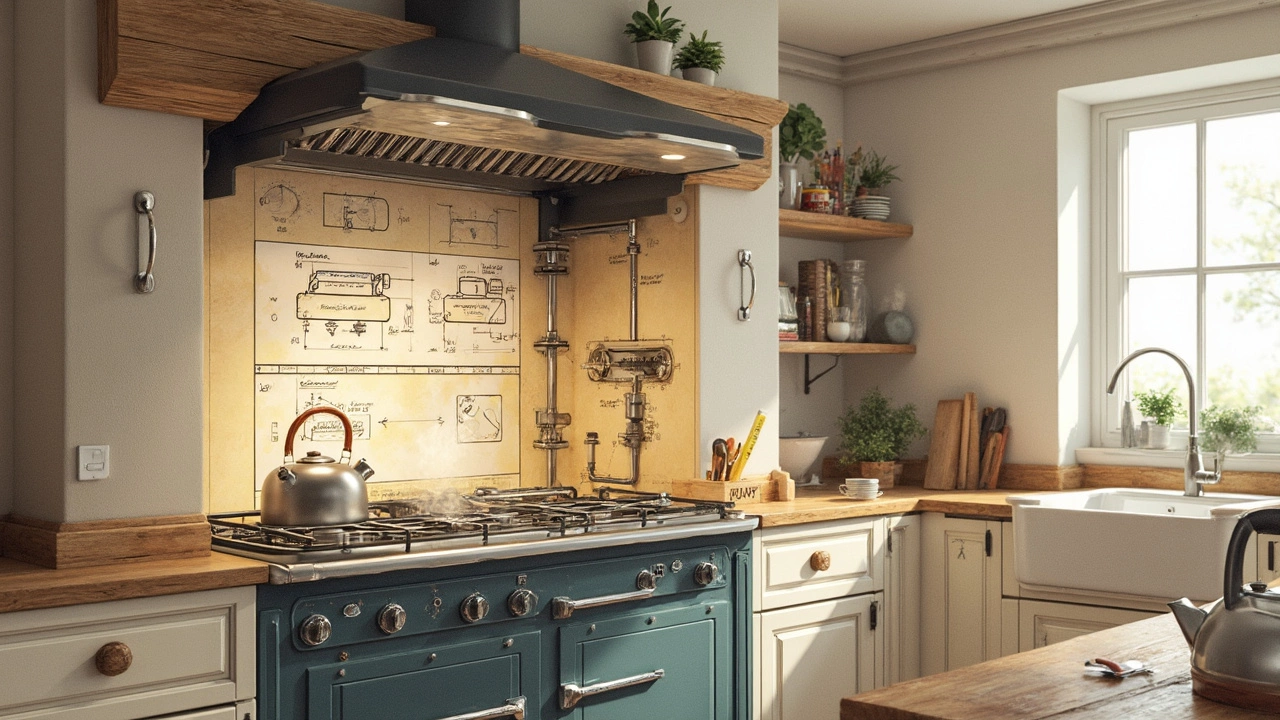
Extractor fans are essential for maintaining good air quality, especially in kitchens and bathrooms. When they stop working, it might be due to electrical, mechanical, or cleanliness issues. Understanding the root causes of fan failures can save you time and money in repairs. Discover common problems, practical tips, and preventive measures to keep your fan spinning efficiently.

If your extractor fan has suddenly stopped working, it's not just annoying but can lead to bigger problems like excess moisture and lingering odors. This article will delve into common issues with extractor fans and provide practical solutions you can try at home. Learn about potential causes, from power supply problems to sensor malfunctions, along with straightforward fixes. Some tips might even save you from calling in a professional. Get your fan back up and running with ease!

Extractor fans play a pivotal role in maintaining air quality in kitchens and bathrooms by expelling moisture, odors, and smoke. If your extractor fan suddenly stops working, it can lead to persistent humidity or unpleasant smells. This guide provides practical steps for diagnosing and fixing common issues that can cause an extractor fan to malfunction. From checking power supply and fuses to cleaning and replacing parts, understanding the intricacies can save you time and money. By following these steps, you can restore your extractor fan’s functionality and maintain a comfortable home environment.
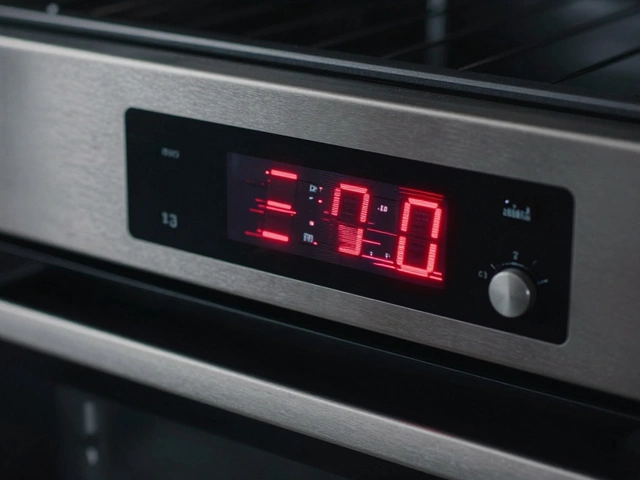
Learn how to identify a failing oven control board through specific signs like flickering displays, erratic heating, and error codes. Includes visual inspection tips, testing methods, and safety precautions for accurate diagnosis.
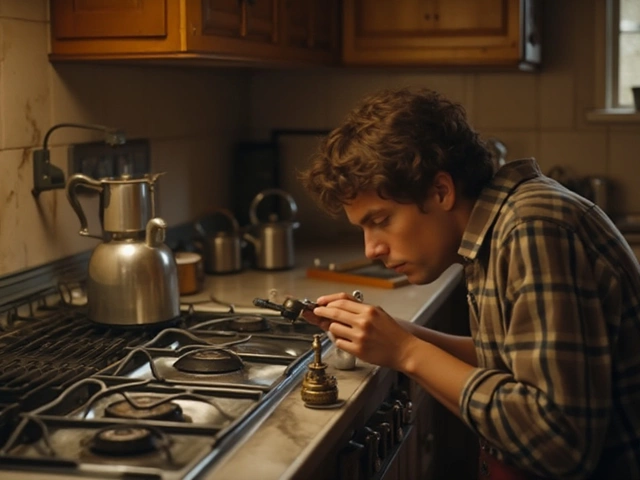
Gas cooktops are an essential part of the modern kitchen, but like all appliances, they can encounter problems over time. This article provides valuable tips and tricks on how to diagnose and repair common gas cooktop issues such as faulty igniters, uneven flames, and gas leaks. With useful insights and step-by-step guidance, even the least experienced DIY enthusiasts can potentially save money and extend the lifespan of their cooktops. If the repairs are too complex or safety is at risk, it is always advisable to seek professional assistance.

Discover practical solutions to restore hot water in your shower with ease. Learn about common problems affecting water heaters and the steps to troubleshoot each issue. This guide will walk you through changing settings, checking components, and knowing when to call a pro. Take control of your hot water system and enjoy a soothing shower experience once again. Ideal for homeowners facing frustrating lukewarm showers.
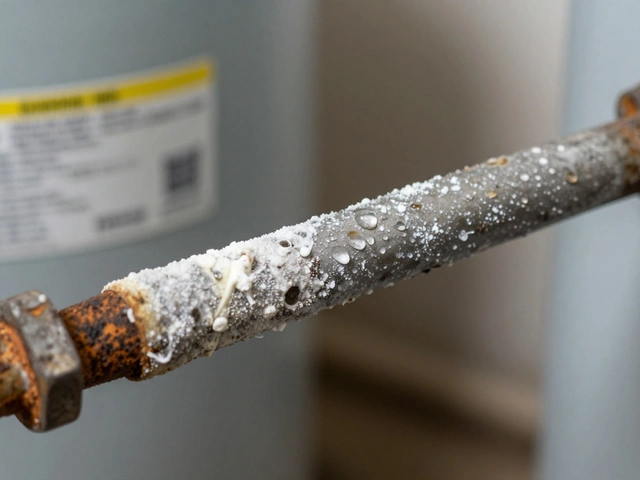
Water heaters commonly fail due to anode rod corrosion, heating element burnout, thermostat issues, and tank rust. Learn the top 5 causes and how to prevent them before you're left with no hot water.
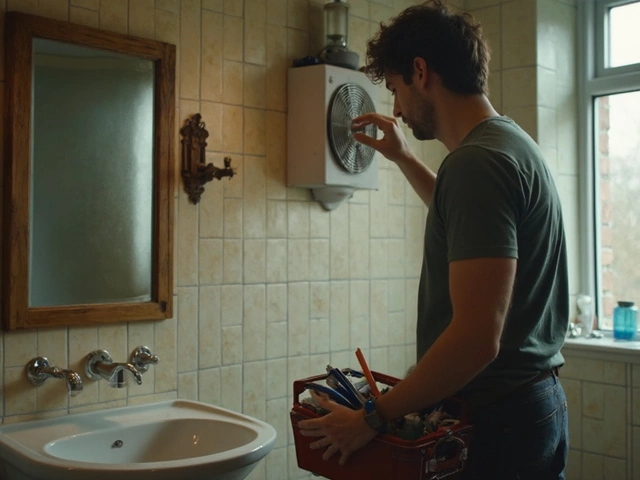
Thinking about swapping out your old extractor fan? This guide digs into how easy (or not) it really is to replace an extractor fan in your bathroom or kitchen. Get the lowdown on what tools you'll need, common surprises people miss, and what makes some fans trickier than others. If you're not sure when to call in a pro, we've got your back there, too. Get ready for a clear, no-nonsense breakdown.