

Ever notice your kitchen fan whining or your bathroom fan barely moving air? Most of the time it’s just dirty blades, loose screws, or a lack of oil. The good news? You can fix most of these issues yourself in under an hour and keep the fan humming for years.
First, turn the power off at the switch or breaker – safety first. Remove the visible grille; it usually snaps or slides out. Give the grille a quick rinse in warm, soapy water, then wipe it dry. Next, pull the fan blades out. Use a soft brush or an old toothbrush to scrub away dust, grease, and pet hair. For stubborn grime, a damp cloth with a dash of vinegar works wonders.
When you put everything back, make sure the grille sits snugly. A loose cover can rattle and make extra noise. If the fan still sounds odd after cleaning, check the mounting screws. Tighten any that have loosened over time – a screwdriver does the trick.
Most modern extractor fans have sealed bearings, but older models still need a few drops of light machine oil. Look for a tiny oil hole on the motor shaft; add just enough oil to coat the moving parts. Spin the blades by hand – they should move smoothly without resistance.
While you’re at it, glance at the wiring. Look for cracked insulation, loose connections, or signs of burning. If anything looks damaged, it’s safer to let a qualified electrician handle it. A quick visual check can prevent a minor issue from turning into a costly repair.
Fans that keep tripping the circuit breaker or emit a burning smell need professional attention. Same goes for fans that barely move air despite being clean – the motor may be failing.
Regular upkeep doesn’t have to be a chore. Set a reminder every three months to give your fans a once-over. A clean, well‑lubricated fan runs quieter, uses less electricity, and lasts longer. Plus, you’ll avoid the dreaded “must‑vacuum‑the‑kitchen‑floor‑again” scenario.
If you ever feel stuck, Bognor Regis Appliance Repair Experts are just a call away. Our technicians know every make and model, and we can get your fan back to peak performance fast.
Bottom line: a quick power‑off, a brush, a few drops of oil, and a visual inspection are all you need to keep your kitchen and bathroom fans in top shape. Try it this week and notice the difference – less noise, better airflow, and peace of mind.
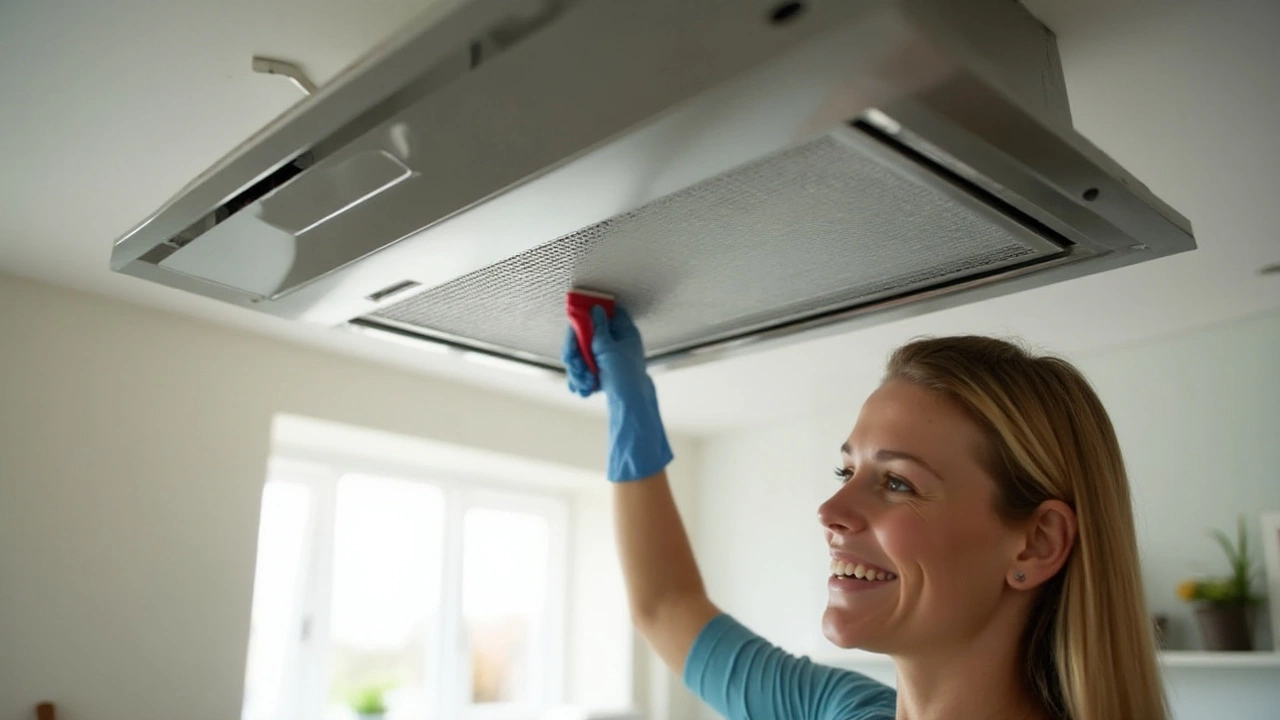
Routine maintenance of extractor fans is crucial to maintaining indoor air quality and ensuring the efficient operation of these ventilation systems. This article explores why servicing extractor fans is important, providing insight into potential problems that may arise if overlooked. Learn how regular upkeep can prevent costly repairs and improve the lifespan of your equipment. Discover practical tips and a step-by-step guide on how to ensure your extractor fan is operating at its best. Keep your home fresh and healthy by understanding the significance of extractor fan servicing.

Thinking of fixing your own water heater? Learn when DIY is safe, common problems, money-saving tips, and when to call a pro.
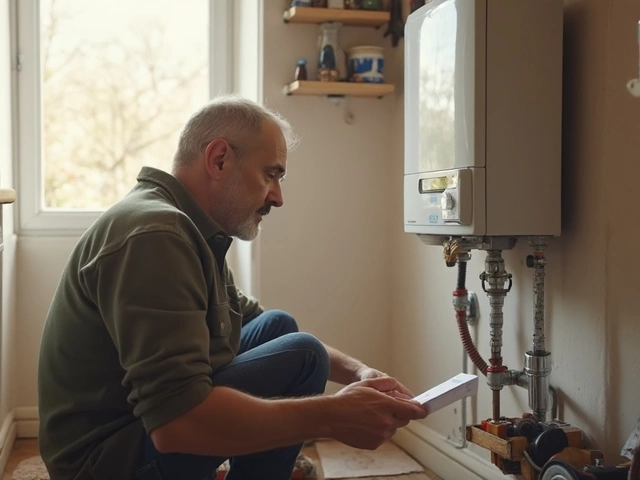
Thinking about handling your own boiler service? Get the truth about what you can and can’t do, why safety matters, and which tasks are okay for homeowners. This article covers legal restrictions, common mistakes to avoid, and practical tips for everyday boiler care. Learn how to spot problems early and when it's really time to call a pro. Save yourself headaches, money, and maybe even a major disaster by knowing the facts.

Get to know the four appliances that no modern home can do without, why they matter, and how to keep them working smoothly. Discover easy maintenance tips, signs of trouble, and smart ways to save money on repairs. If you want your home to run without a hitch, paying attention to these basics is a must. This article makes home appliance care straightforward and stress-free. No fluff, just practical advice you can actually use.
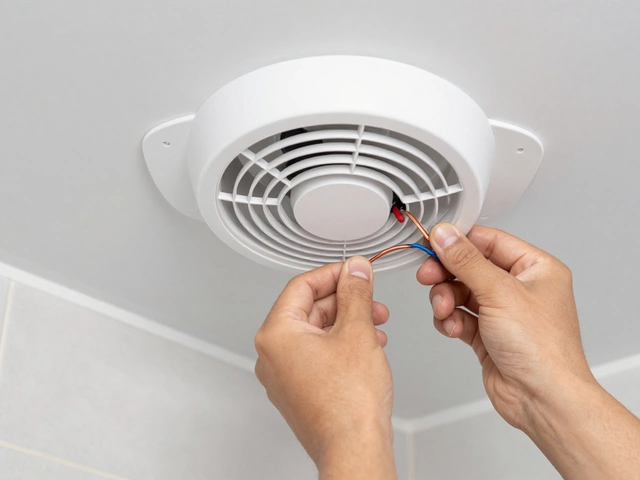
Wondering who should install your extractor fan? Learn when to hire an electrician, HVAC tech, or handyman for safe and efficient ventilation installation.

Deciding whether to fix or replace your oven in 2025? Learn real repair costs, when replacement saves money, safety risks of old ovens, and how to make the smart choice without overpaying.