

When your extractor fan, a ventilation device installed in kitchens and bathrooms to remove steam, smoke, and odors. Also known as extraction fan, it plays a quiet but essential role in keeping your home healthy and mold-free. stops working, it’s not just annoying—it can lead to damp, bad air, and even long-term damage to walls and ceilings. Most extractor fans fail for simple reasons: a clogged filter, a worn motor, or a broken switch. You don’t always need a technician. Many fixes can be done in under an hour with basic tools.
One of the most common issues is dust and grease buildup, a sticky layer that clogs the fan blades and reduces airflow. If your fan is loud or spins slowly, clean the grille and remove the filter. Most filters are washable—just soak them in warm soapy water, rinse, and let them dry. A dirty fan works harder, wears out faster, and uses more electricity. Another frequent culprit is the fan motor, the part that spins the blades and often fails after years of constant use. If the fan hums but doesn’t turn, the motor is likely dead. Replacing it costs less than £50 and takes about 30 minutes if you’re comfortable with a screwdriver.
Don’t ignore a fan that turns on and off randomly—that’s usually a faulty switch or wiring, often caused by moisture damage or loose connections. Check the power supply at the fuse box and look for frayed wires behind the unit. If you smell burning or see discolored plastic, stop using it immediately. Electrical faults in extractor fans can be dangerous, and it’s better to call a qualified electrician than risk a fire.
Some people think extractor fans are just for kitchens, but they’re just as important in bathrooms. Moisture buildup leads to mold, which can trigger allergies and damage plaster. A working fan keeps air moving and protects your home’s structure. Whether you’re dealing with a noisy range hood or a silent bathroom vent, the fix is usually simple—if you know where to look.
The posts below cover real-world cases from homes in Bognor Regis: why fans stop working, how to clean them safely, when to replace parts, and what to look for when buying a new one. You’ll find step-by-step fixes for common models, cost estimates for motor replacements, and tips to avoid the same mistake twice. No fluff. Just what actually works.
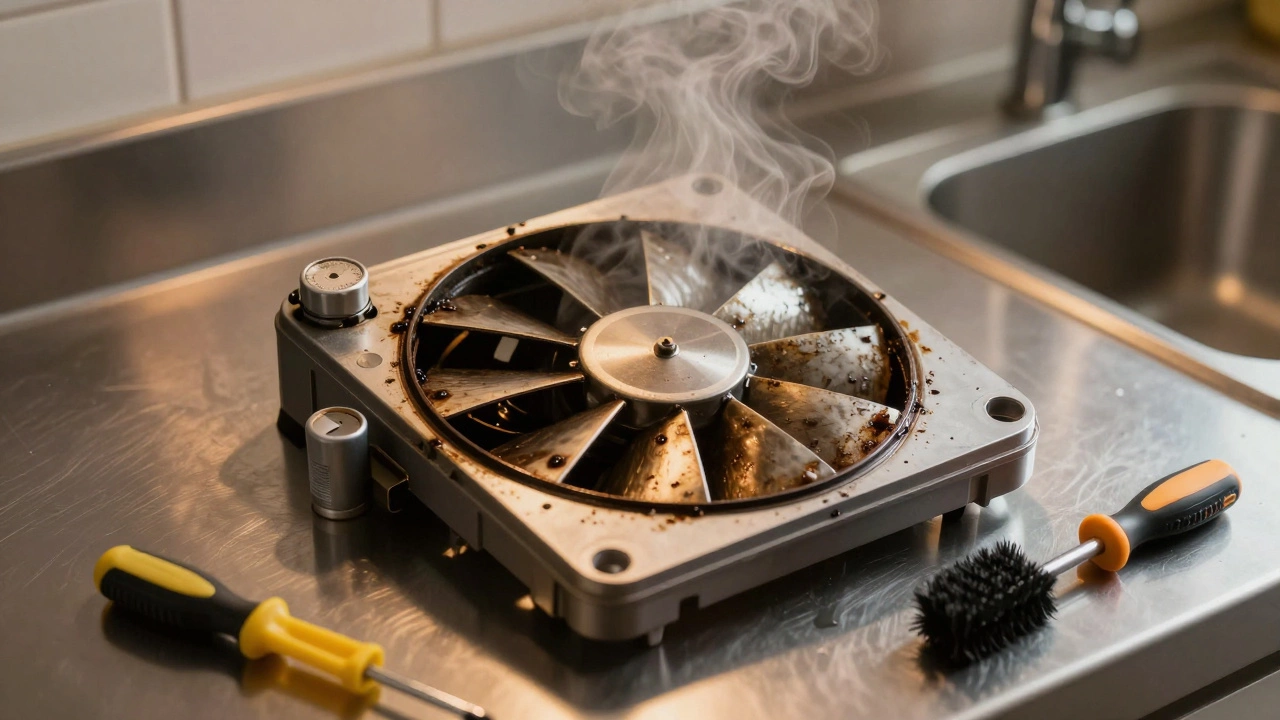
Most extractor fans can be repaired with simple fixes like cleaning, capacitor replacement, or tightening parts. Learn when DIY works and when to call a pro to avoid costly damage from damp and mold.

Plumbers are often the go-to professionals for a wide range of home repairs, but when it comes to boilers, it's essential to know their scope of work. This article delves into whether plumbers can actually handle boiler installations and replacements. You'll uncover what specific skills and certifications are required for boiler work, why hiring a specialized heating engineer may be recommended, and the potential risks of using underqualified technicians. Whether you're considering a new boiler or need an existing one serviced, understanding who is best suited for the task is crucial.

Who pays for boiler maintenance? Landlords must cover it for tenants. Homeowners pay for everything. Warranties don't cover servicing. Annual checks are legally required and save lives.

Wondering how long it takes to swap out an old boiler for a new one? This article spells out exactly how much time you’ll need, what really affects the timeline, and offers practical tips to speed things up. Get the full breakdown, including what you can do before installation day and how to avoid surprises. If you want your heat and hot water back fast, this guide is for you. Find out what to expect from your boiler replacement and how to stay one step ahead.

Is fixing a 4-year-old dishwasher actually worth it? Get honest advice, money-saving tips, and clear facts for making the smartest call.

Explore the practical steps in diagnosing and fixing common issues with kitchen extractor fans. Learn about the signs your fan might need repair, and gather essential maintenance tips to extend its life. Whether you're a DIY enthusiast or considering professional help, this guide provides valuable insights for restoring your kitchen ventilation system to optimal performance. Discover how regular upkeep can prevent costly replacements.