

We’ve all been there – you step into the shower, crank the tap, and instead of steam you get a blast of icy water. It’s frustrating, but most emergencies are fixable in minutes with the right steps. Below are the quickest ways to get your shower back to normal without waiting for a technician.
First, make sure the problem isn’t something simple you can spot. Is the hot water tap turned all the way on? Sometimes we forget the hot knob is separate from the cold one. Next, check if other taps in the house have hot water. If the kitchen tap or bathroom sink is still warm, the issue is likely the shower valve or the mixer rather than the whole water heater.
If every tap is cold, the water heater is the likely culprit. Look at the pilot light on a gas heater – is it out? For electric heaters, see if the circuit breaker has tripped. Resetting a breaker or relighting a pilot can restore hot water in under five minutes.
When the water heater seems fine, the shower’s internal components may be the problem. Many showers use a thermostatic mixing valve that can get clogged with mineral deposits. Unscrew the valve cover (usually a small screw on the side), remove any visible debris, and re‑assemble. A quick flush with clean water often restores proper temperature control.
If you have a single‑handle shower, the cartridge inside can wear out. Turn off the water supply at the nearest stop‑cock, then remove the handle and the cartridge. Replacing it with a new one is cheap and takes less than 15 minutes. You’ll feel an immediate difference in water temperature stability.For showerheads that spray weakly, mineral buildup can affect both flow and temperature. Soak the head in a bucket of white vinegar for an hour, then scrub with an old toothbrush. Rinse it off and reinstall – you might get stronger pressure and a more even mix of hot and cold water.
Another fast fix is to bleed air from the system. Sometimes after a water heater repair, air bubbles get trapped in the pipes, giving a sudden cold burst. Turn on the hot tap at the furthest fixture from the heater, let it run for a few minutes, and then check the shower. The trapped air usually escapes, restoring normal temperature.
If you’re dealing with a tank‑less water heater, a reset button is often hidden behind a small panel. Press it and wait a minute; the system will recalibrate. This step solves many “no hot water” complaints in seconds.
When none of these steps work, it’s time to call a professional. Persistent cold showers can mean a failing heating element, a broken pump, or a leak in the hot‑water line. Trying to force repairs beyond basic DIY can cause more damage and higher repair costs.
Remember, regular maintenance keeps emergencies at bay. Flushing your water heater once a year, descaling shower components, and checking the pressure‑relief valve can prevent sudden cold showers. A quick checklist before you head out of the house can save you from that icy surprise.
So the next time your shower betrays you with a cold blast, skip the panic and run through these tips. Most problems are resolved in under ten minutes, and you’ll be back to a warm, relaxing rinse before you know it.
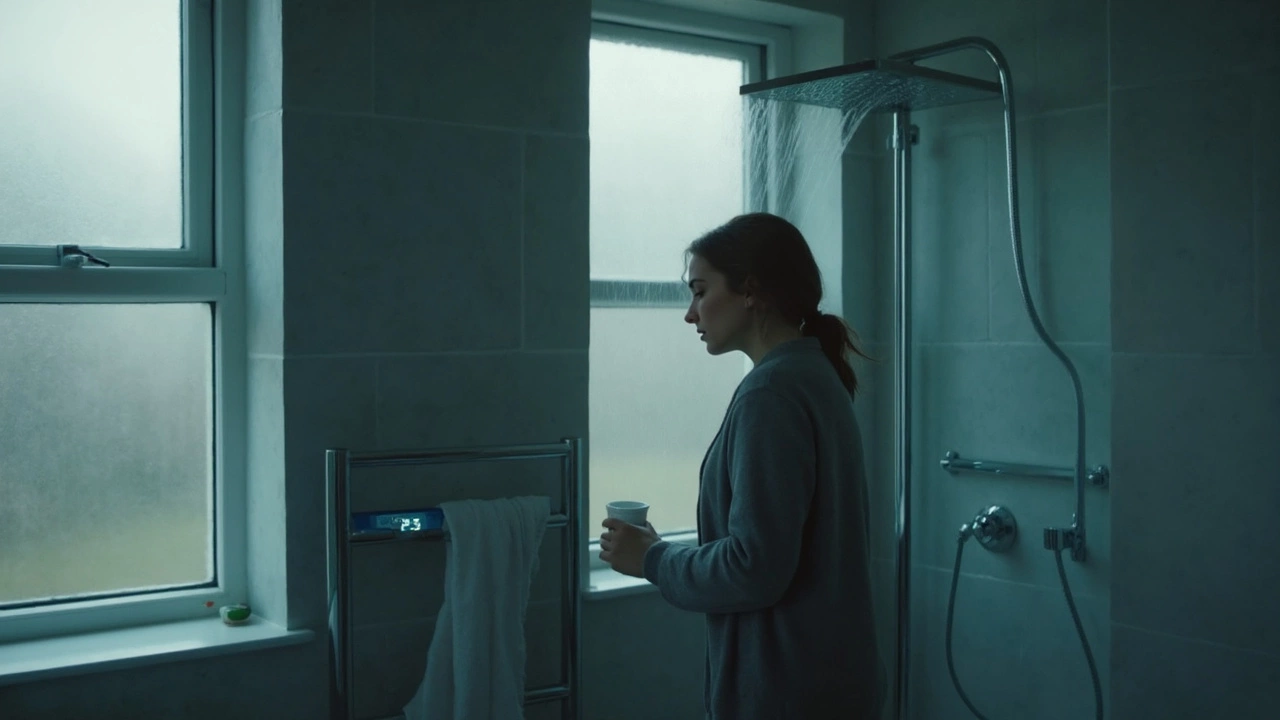
When your boiler breaks down, taking a comfortable shower suddenly feels like a luxury. This article explains exactly what happens to your shower when a boiler goes out, ways to still get clean, and when you should call in a professional. Learn alternative methods for washing, bust some myths about cold showers, and get tips on preventing future breakdowns. We even cover what to do if you have kids or need to keep up with fitness routines. Staying clean during a crisis isn’t impossible—you just need a bit of know-how and some creative solutions.
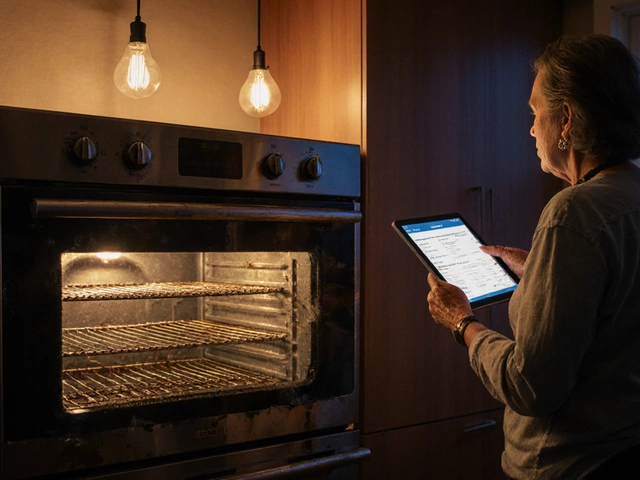
Find out when fixing a 15‑year‑old oven makes sense, compare repair costs with buying new, and learn safety, energy and environmental factors to help you decide.
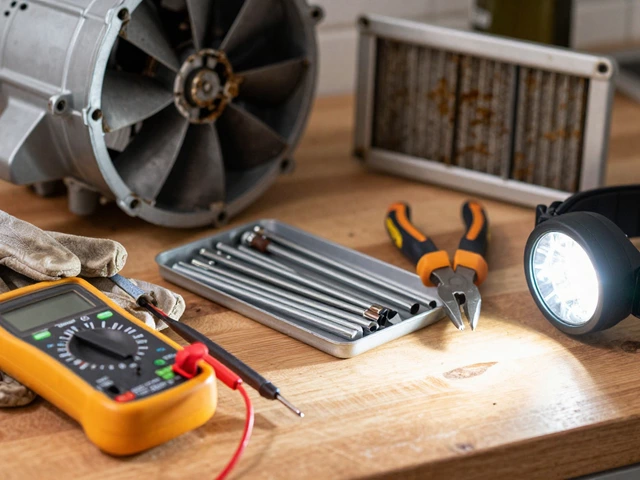
Learn how to replace a kitchen extractor fan motor safely. This step-by-step guide covers diagnosis, tool preparation, removal, and installation tips for DIY enthusiasts.
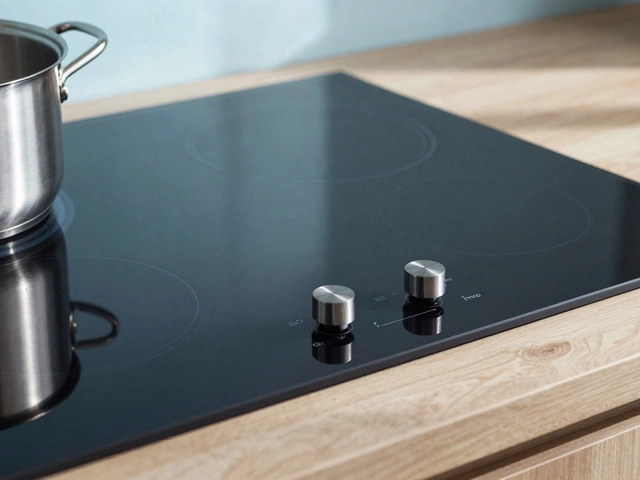
Learn exactly how to reset your electric hob when screens freeze or zones fail. This guide covers universal power cuts, button combinations, and recognizing genuine faults versus false alarms.
Find out how much boiler repair costs in 2025, what factors affect the price, typical price ranges, and tips to get fair quotes and save money.
A 20-year-old water heater is likely inefficient, unsafe, and prone to sudden failure. Repairing it may seem cheaper, but replacement saves money, energy, and prevents costly water damage. Here’s what you need to know before deciding.