

When the house goes cold in the middle of a winter night, panic is the first reaction. But a clear head and a few simple steps can often get the heat back on long enough to stay warm while you arrange professional help.
Most heating emergencies boil down to three culprits: a dead thermostat, a stuck heat pump, or a boiler that refuses to fire. A thermostat that isn’t reading the room temperature correctly will tell the system that no heat is needed, leaving you shivering. If your heat pump stops blowing warm air, the most common reasons are a clogged filter, a tripped safety switch, or low refrigerant levels. Boiler issues usually show up as no hot water, strange noises, or a pressure gauge stuck at zero.
Quickly checking these basics can save you a callout fee. First, verify that the thermostat is set to "heat" and the temperature is higher than the current room temperature. If the display is blank, replace its batteries. Next, locate your heat pump’s outdoor unit; clear any leaves or debris that might be blocking airflow, then reset the unit by turning the breaker off for a minute and back on. For a boiler, look at the pressure gauge – most residential units need a pressure between 1 and 1.5 bar. If it’s low, you can usually top it up using the filling loop (consult your manual for the exact steps).
Before you pick up the phone, there are a few safe DIY actions you can take. Resetting the system is often the easiest. Many modern boilers and heat pumps have a reset button on the control panel – press it and wait a few minutes for the system to reboot. If the heat pump is making a whirring sound but no warm air, the indoor fan motor might be stuck; a quick turn of the fan switch on the thermostat can sometimes free it.
Another low‑risk step is to bleed radiators. Air trapped in a radiator prevents hot water from circulating, leaving cold spots. Use a radiator key to open the valve just enough to hear a hissing sound; then close it once water starts flowing. This can improve overall heat output without any technical knowledge.
When it comes to hot water emergencies, a broken domestic water heater can be tackled by checking the reset button on the thermostat (found on the front of most electric units). If the reset trips repeatedly, the heating element is likely failed and needs replacement – a job better left to a qualified plumber.
If any of these steps don’t restore warmth, or if you notice gas odors, leaking water, or unusual noises, stop and call a certified heating engineer. Attempting to fix a gas boiler or a refrigerant leak yourself is dangerous and illegal in many areas. A professional will safely diagnose the fault, perform needed repairs, and ensure your system meets safety regulations.
For residents of Bognor Regis, our local experts understand the specific challenges of coastal weather – salt air can corrode heat‑pump coils faster, and older gas boilers may need annual checks to stay efficient. Keeping a record of service dates and any recurring issues helps the technician pinpoint problems faster.
In short, start with the basics: check settings, clear debris, reset the unit, and bleed radiators. If warmth doesn’t return quickly, or you spot a serious safety issue, call a trusted emergency heating service. Acting fast keeps you warm and protects your home from further damage.

Stuck with a broken boiler and a cold house? This guide shares quick, practical steps to keep your home warm without a working boiler. Learn about safe heating alternatives, ways to trap heat, and smart tricks for getting through chilly nights. Find out what to avoid, when to call a professional, and how to prep for future breakdowns. Perfect for homeowners who want to stay safe and comfortable during a boiler emergency.
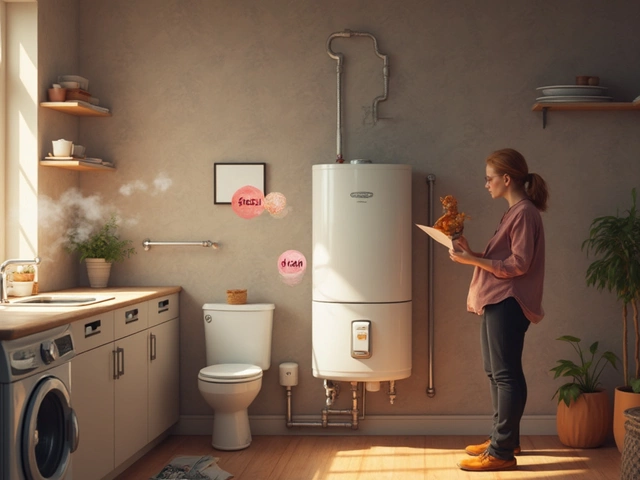
Wondering if you should flush or just drain your water heater? This article breaks down the difference, when each method makes sense, and what actually helps your water heater last longer. You'll find practical advice, simple tips, and a few things even pros forget. Discover the truth about tank cleaning—without the jargon or confusion. Your next maintenance day just got a lot less stressful.
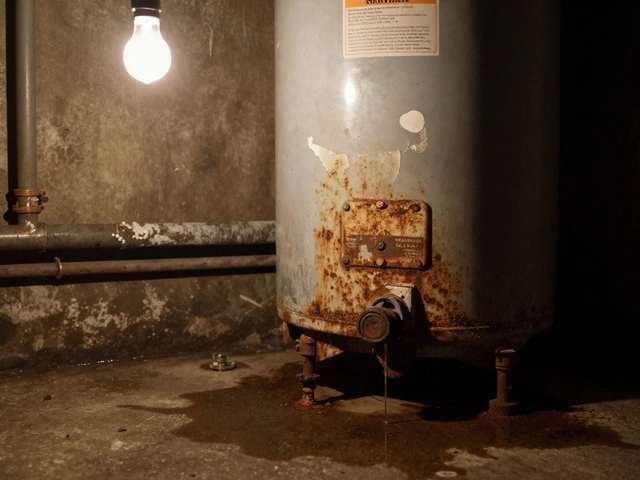
A 20-year-old water heater is likely inefficient, unsafe, and prone to sudden failure. Repairing it may seem cheaper, but replacement saves money, energy, and prevents costly water damage. Here’s what you need to know before deciding.
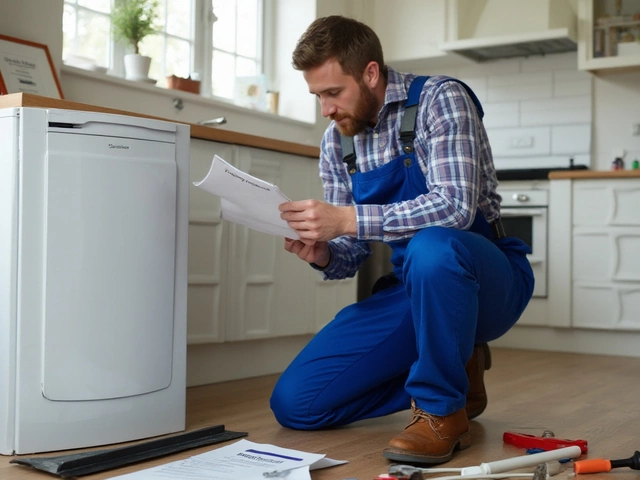
Plumbers are often the go-to professionals for a wide range of home repairs, but when it comes to boilers, it's essential to know their scope of work. This article delves into whether plumbers can actually handle boiler installations and replacements. You'll uncover what specific skills and certifications are required for boiler work, why hiring a specialized heating engineer may be recommended, and the potential risks of using underqualified technicians. Whether you're considering a new boiler or need an existing one serviced, understanding who is best suited for the task is crucial.

Ready to buy a new dishwasher? Check this guide for 2025's most unreliable dishwasher brands, stories you won't believe, and tested buying tips no one else will give you.
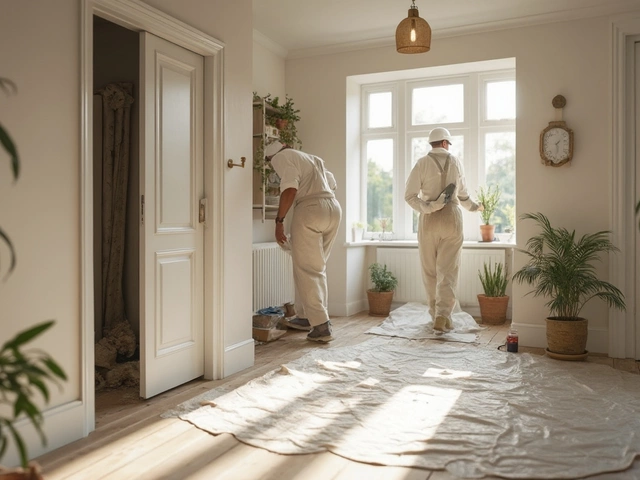
Thinking about replacing your old boiler but dreading the mess? This article breaks down exactly what kind of disruption to expect during a boiler swap. Find out what typically gets messy, which steps are surprisingly neat, and how you can prep your space to keep chaos to a minimum. Get straightforward tips to protect your home, plus the real deal on post-installation cleanup. No sugarcoating—just facts every homeowner should know before booking the job.