

If your electric stove isn’t heating right, you’re not alone. Most homeowners face a flat burner, flickering controls, or a stove that just won’t turn on at some point. The good news? Many of these hiccups are easy to spot and fix without tearing your kitchen apart.
First, check the power. A tripped breaker or a loose plug can make a whole range look dead. Once the electricity’s confirmed, look at the burners. A burnt‑out heating element is the usual culprit for a cold spot. You’ll see a broken coil or a darkened spot on the element. If the element looks fine, the issue might be the burner head – debris or a warped ceramic can block heat transfer.
Next, the control knobs. Over‑time, the contacts inside can wear out, causing intermittent heat or no heat at all. Turn the knob and feel for a gritty or loose feel – that’s a sign the switch needs cleaning or replacement. Another sneaky problem is the thermostat or temperature sensor. If the oven runs too hot or never reaches temperature, the sensor could be faulty.
Most element swaps are DIY‑friendly. Turn off the stove, unplug it, and remove the screws holding the element in place. Pull it out, snap the new coil into the connector, and screw it back. For stubborn burner heads, soak them in warm, soapy water for 15 minutes, then scrub gently with a non‑abrasive pad.
If you’ve inspected the wiring and everything looks solid, but the stove still won’t heat, it’s time to check the internal fuse or thermal cut‑out. These safety devices can blow if the stove overheats, and replacing them usually requires a screwdriver and a new part from a hardware store.
When in doubt, especially with control boards or gas‑electric hybrid models, call a qualified technician. Electrical components can be dangerous if mishandled, and a professional can quickly diagnose a hidden fault.
Our blog has deeper dives on each of these topics. Want step‑by‑step instructions on swapping a broken element on an electric hob? Check out "How to Replace a Broken Element on an Electric Hob: Step‑by‑Step Guide for DIY Repair." Need to troubleshoot an electric oven that won’t heat? Read "Electric Oven Not Heating? Common Problems, Fixes, and Maintenance Tips." For a broader look at stove issues, see "Electric Stove Problems: Common Issues and Troubleshooting Tips."
Whether you’re fixing a single burner or the whole range, the key is safety first: always disconnect power, work in a well‑ventilated area, and don’t force broken parts. With a bit of patience, many electric stove woes can be solved at home, saving you time and a costly service call.

Fixing an electric stove might seem daunting, but many common issues are surprisingly manageable with a bit of know-how. From understanding why the burners aren't heating to recognizing if a problem needs professional attention, this article sheds light on various aspects of electric stove repair. Whether you're dealing with strange noises, faulty wiring, or a completely inoperative oven, we explore what’s usually repairable and what might require a replacement. With practical tips, learn to troubleshoot and potentially save on costly service calls.

Electric stoves are a staple in many kitchens, but how long can you expect them to last? This article delves into the average lifespan of an electric stove and what factors can influence its longevity. Discover maintenance tips that can help extend its life and recognize signs when repairs or replacements might be necessary. This guide aims to empower you with insights into prolonging the efficiency of your kitchen's electric stove.
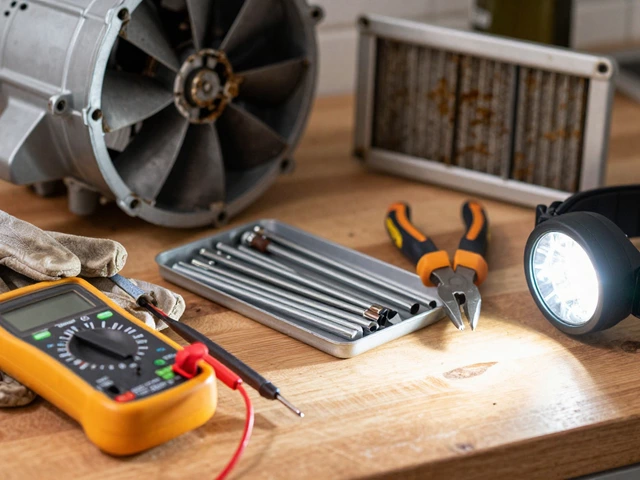
Learn how to replace a kitchen extractor fan motor safely. This step-by-step guide covers diagnosis, tool preparation, removal, and installation tips for DIY enthusiasts.
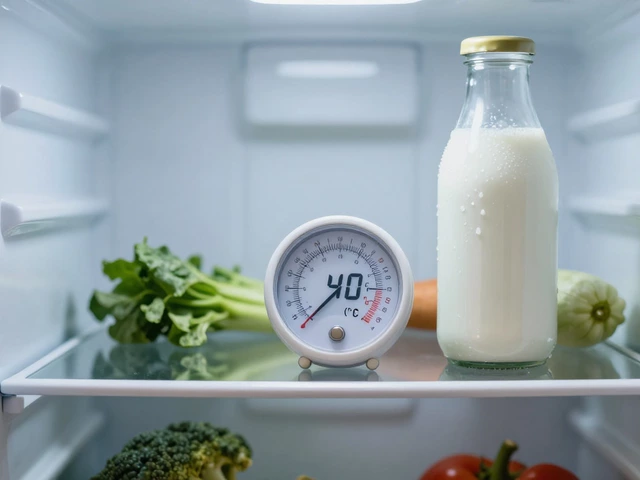
Learn how to tell when a refrigerator goes bad by spotting key signs like temperature drops, strange noises, and frost buildup. Discover when to repair vs. replace your fridge.

If your electric oven suddenly stops working, don't panic. This article explores common issues with electric ovens and provides practical tips for troubleshooting and repair. From understanding how different components work to knowing when it's time to call a professional, you'll find the go-to advice you need to get your oven back in working order. Avoid the hassle of guesswork and get straightforward guidance on keeping your kitchen running smoothly. Practical insights on oven maintenance await you.
Discover who to call when your bathroom extractor fan starts acting up. This article explores whether to hire a professional electrician or tackle it yourself, highlighting common issues and maintenance tips. You'll also learn why keeping your fan in top shape matters more than you might think.

When your water heater only puts out cold water, it’s more than just annoying—it can point to real problems inside the unit. This article breaks down the most common reasons behind a water heater that refuses to warm up, from tripped breakers to busted heating elements. You’ll find tips on quick checks you can do at home before calling a pro, plus some unexpected facts about how water heaters really work. Knowing what’s wrong can save you from a frigid morning shower and a giant repair bill. Get ready to tackle that cold water problem with practical advice you can use right away.