

If your oven stops heating, gives weird error codes, or cooks unevenly, you’re probably wondering what went wrong and how to sort it out. The good news is many issues can be checked at home before you pick up the phone. The bad news? Some fixes need a qualified technician, especially when electrical parts are involved.
First, spot the symptoms. A cold oven is the most obvious sign – you set the temperature, but nothing happens. This often points to a broken heating element or a faulty thermostat. Uneven cooking, where the top browns but the bottom stays pale, usually means the element is cracked or the temperature sensor is out of sync.
Another frequent problem is the oven refusing to turn on at all. That could be as simple as a tripped circuit breaker, a loose power cord, or a dead door latch switch. Modern ovens also display error codes; a quick glance at the manual (or a quick online search) can tell you if the code means a sensor failure, a communication glitch, or a more serious control board issue.
Finally, listen for unusual noises. A humming sound without heat often means the element is receiving power but can’t heat up, while clicking noises may indicate a failing relay.
Start with the basics. Make sure the oven is properly plugged in and that the kitchen’s circuit breaker isn’t tripped. Resetting the breaker can solve a simple overload problem.
Next, check the oven door latch. If the door doesn’t close firmly, the oven’s safety switch will stop it from heating. Clean any debris and press the latch to see if it clicks into place.
If you’re comfortable with a screwdriver, you can inspect the heating element. Turn off the oven at the breaker, remove the back panel, and look for visible cracks or burn marks. A multimeter set to ohms can test continuity – a reading of infinite resistance means the element is broken and needs replacement.
Don’t forget the temperature sensor. It’s usually a thin metal rod attached to the oven walls. Test it with a multimeter; a healthy sensor reads around 1000 Ω at room temperature. Anything wildly off suggests the sensor is faulty.
When any of these checks point to a broken part, you have two options: replace it yourself if you’re handy and the part is easy to access, or call a professional. Replacing an element or sensor isn’t too hard for DIY folks, but working with the control board or internal wiring is best left to a qualified electrician, especially to keep the BSI (Gas Safe) rules in mind.
If you’ve gone through the steps above and the oven still won’t heat, or if you see smoke, strange smells, or sparks, shut it off immediately and call an expert. Trying to force a fix can cause more damage or create a safety hazard.
At Bognor Regis Appliance Repair Experts we specialize in electric oven repairs. Our technicians can quickly diagnose heating element failures, sensor issues, and control board problems. We’ll give you a clear quote, fix the fault, and test the oven to make sure it’s back to normal.
Bottom line: many electric oven problems start with a simple power or sensor issue that you can check yourself. If the fix looks beyond a basic part swap, trust a professional to keep you safe and get your oven cooking again in no time.

Got an electric oven that's not heating? Discover the most common issues, why they happen, and how you can fix or prevent them without calling a pro.
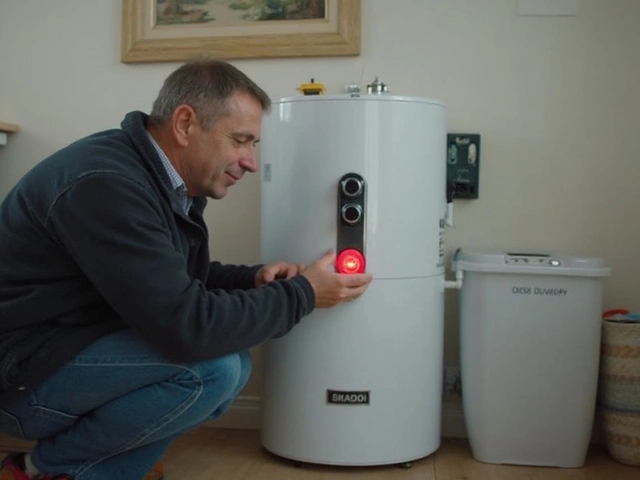
Ever wondered why you end up pushing that red reset button on your water heater over and over? This article digs into exactly what the reset button does, why it keeps tripping, and what can go wrong if you keep hitting it. Get clear answers about hidden water heater issues and learn simple steps to protect your system—and your wallet. We’ll walk you through warning signs, smart troubleshooting tips, and when it’s time to call a pro. No tech jargon, just straight talk for anyone tired of cold showers.
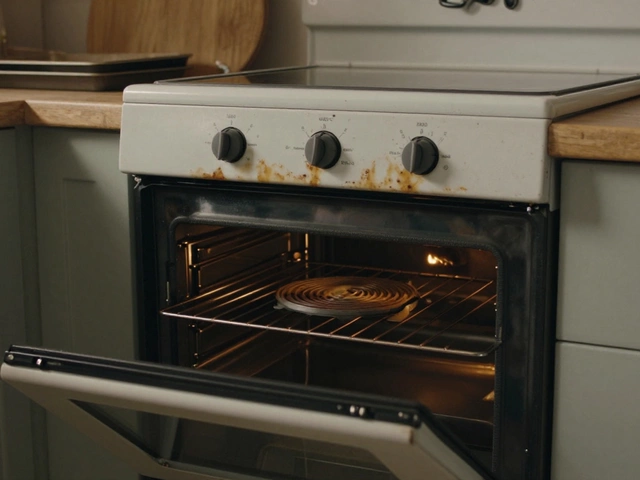
Deciding whether to fix or replace a 20-year-old oven? Learn real repair costs, energy savings, safety risks, and when it’s smarter to buy new. Practical advice for UK homeowners.
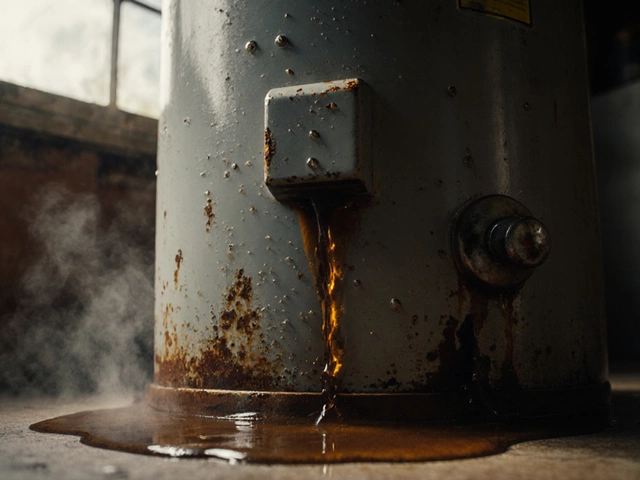
Most water heaters fail due to tank corrosion, heating element burnout, or sediment buildup. Learn the top failure points and how to spot them early to avoid costly repairs or floods.

A malfunctioning freezer can be a headache, particularly when it involves the compressor. Understanding whether it's worthwhile to replace a compressor requires consideration of several factors, including cost, age, and efficiency. This article breaks down the key elements for deciding if compressor replacement is the best route. With practical advice and insider tips, you'll gain clarity on making an informed decision for your appliance.
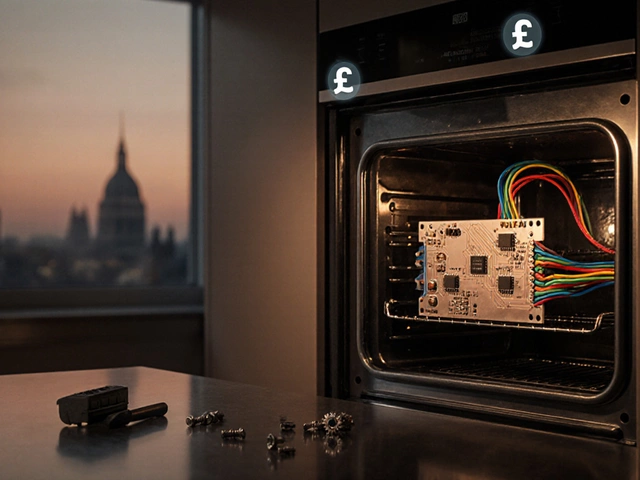
Learn the typical UK price for an oven control board, factors that affect cost, DIY steps, and when to call a professional in 2025.