

If your washing machine is making rattling noises or the drum won’t turn, it’s probably time for a replacement. Before you call a repair service, you’ll want to know what you’re paying for and why the price can vary so much.
In most cases the drum itself is not cheap, but the total bill includes labor, any needed parts like seals or bearings, and the technician’s travel time. Knowing the breakdown helps you spot over‑charging and decide if it’s worth fixing.
On average, a drum replacement runs between £120 and £250 for the part alone. Front‑load machines tend to be pricier than top‑loaders because the drum is larger and fits into a tighter space.
Labor adds another £80 to £150, depending on how long the technician needs to dismantle the machine, fit the new drum, and re‑assemble everything. Some companies charge a flat rate, while others bill by the hour.
Don’t forget extra parts. A new drum often requires a fresh set of drum bearings, a seal, and sometimes a new motor belt. Those add another £30‑£70 to the total.
So a full replacement can land anywhere from £230 to £470. If your washer is more than eight years old, compare this cost with the price of a new machine – a modern, energy‑efficient model might be a smarter investment.
First, get three quotes. Different garages have different markup policies, and a quick phone call can reveal big price gaps.
Second, ask if you can supply the drum yourself. Buying the part online often saves 15‑30% compared to a dealer’s price.
Third, check whether the problem is really the drum. Sometimes a faulty bearing or a broken suspension can mimic drum issues and cost far less to fix.
Fourth, see if your warranty or insurance covers the repair. Some home insurance policies include appliance breakdown cover that handles parts and labor.
Finally, schedule the repair during off‑peak hours. Many technicians offer lower rates for appointments early in the morning or late in the afternoon.
Remember, a good repair should come with a guarantee. Most reputable services offer at least a 12‑month warranty on the new drum and labor. If something feels off, don’t be afraid to walk away and find a better‑rated company.
Bottom line: a drum replacement isn’t cheap, but with smart shopping and a bit of research you can trim the bill and extend the life of your washing machine. If the cost still seems too high, weigh it against buying a new, energy‑saving model – the savings on your utility bill might tip the scales.
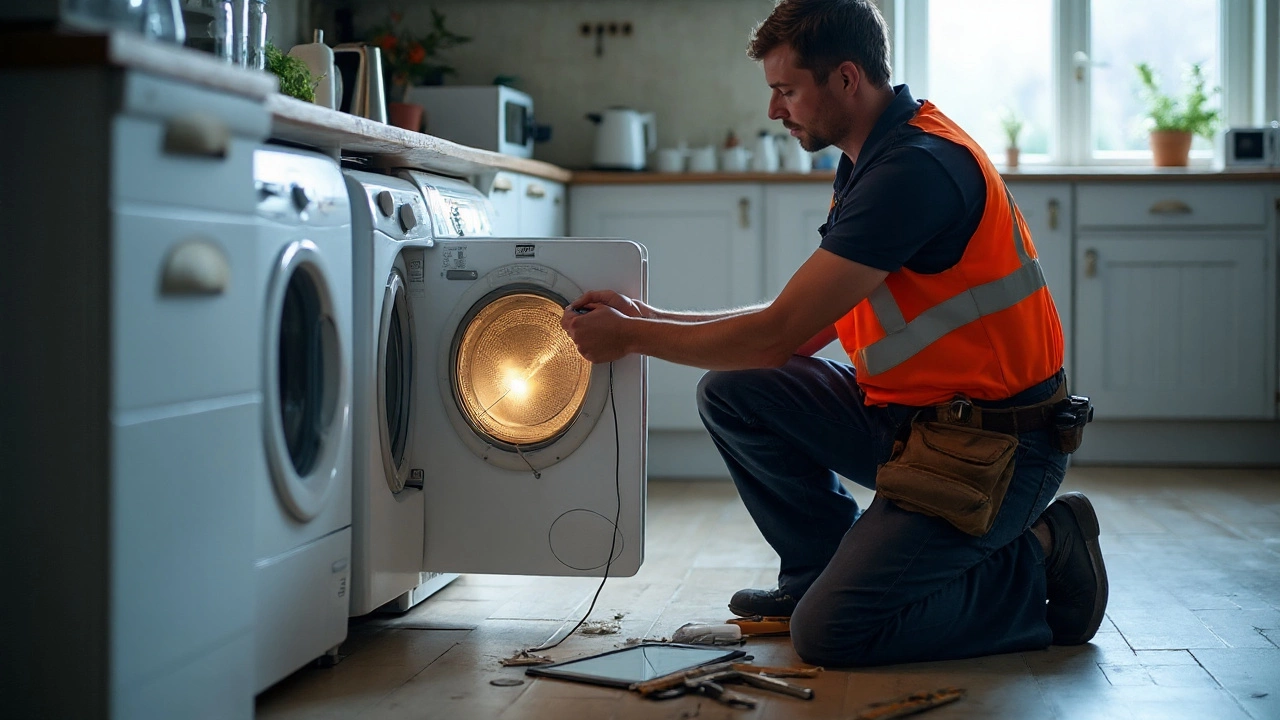
Front-load tub/drum assemblies and top-load transmissions are usually the priciest washer repairs. See real costs, how to diagnose, and when to fix or replace.

Thinking of how long your gas hob will last? Dive into the expected lifespan of gas hobs, factors that affect their longevity, and simple maintenance tips. Discover how regular care can stretch your appliance's life and understand when it's time to consider repair or replacement. Make informed decisions to keep your culinary adventures flaming well.

Find out how to tell if your oven’s heating element or thermostat is busted with simple tests, warning signs, and expert tips you can trust.

Extractor fans are essential for maintaining air quality in enclosed spaces like kitchens and bathrooms. When these fans break down, they can lead to moisture buildup and unpleasant odors. This guide offers practical advice on fixing a broken extractor fan, providing step-by-step instructions that any homeowner can follow. Learn how to diagnose common issues and the tools needed to restore your fan to working order.

Considering replacing your electric oven on your own? Before you jump into action, it's crucial to understand the steps involved and the potential challenges you might face. From ensuring safety precautions to understanding the basic wiring, this article delves into what you need to know. We'll discuss not only the tools and skills required but also when it's better to call in a professional. By the end, you'll have a clearer picture of whether you should tackle this task yourself or seek expert help.
Fixing your fridge on your own can be a real money-saver if you know where to start. First, you've got to figure out what's actually wrong before grabbing your toolbox. With some basic tools and a little patience, you might just handle common issues like leaks, noisy operation, or poor cooling effectively. But sometimes, you also need to know when it's time to bring in a professional.