

Cold showers are the worst, right? Before you pick up the phone, try a few easy fixes you can do yourself. Most water heater problems are small – a tripped reset button, a clogged tank, or a faulty thermostat. With the right tools and a bit of caution, you can get your heater back in shape and save a call to a technician.
First, figure out what’s wrong. If the water isn’t heating at all, check the reset button on the thermostat. It’s usually a red square near the control knob. Press it firmly; if it pops back out, the heater has reset and you should be good for a few weeks. If it trips again, the element might be failing.
Next, listen for any strange noises. A rumbling sound often means sediment has built up at the bottom of the tank. Sediment reduces efficiency and can overheat the heating element. Flushing the tank is a simple, mess‑free job: turn off power or gas, attach a garden hose to the drain valve, and let the water run until it’s clear.
Temperature issues are usually thermostat‑related. Most heaters have two thermostats – a high‑limit and a regular control. If the water is lukewarm, raise the thermostat a couple of degrees and see if it improves. Too hot water can be dangerous, so keep the setting between 120°F‑130°F (49°C‑54°C).
Finally, watch the pilot light if you have a gas heater. A flickering or out pilot means the thermocouple might need cleaning or replacement. Turn the gas off, clean the pilot area with a soft brush, and relight following the manufacturer’s steps.
Keeping your heater in shape costs less than fixing a major breakdown. Schedule a short flush every six months, especially if you have hard water. Use a water softener if sediment is a constant problem – it’s cheaper than replacing the whole unit.
Check the anode rod annually. This metal rod attracts corrosion, protecting the tank inside. If it’s heavily corroded, replace it; a new rod can add 5‑10 years to your heater’s life. Most rods screw in from the top of the tank, so you just need a wrench and a fresh rod from a local hardware store.
Don’t forget the safety valve. Lift the lever briefly to make sure water drains out. If it doesn’t, the valve could be stuck and needs replacement.
By tackling these small tasks, you’ll avoid most emergencies and keep hot water flowing. If you ever feel unsure – especially with gas components – it’s safer to call a qualified technician. But for most electric or gas heaters, a bit of DIY can save you time, money, and a cold shower.
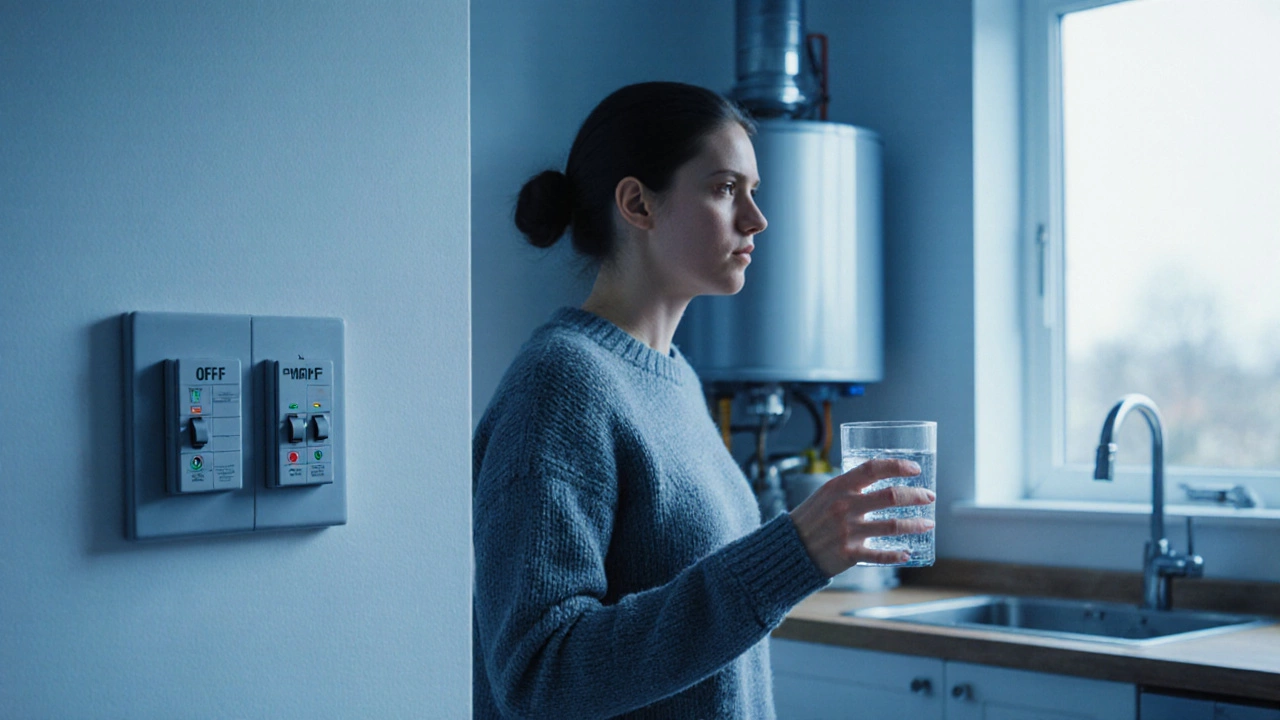
Learn fast DIY steps to diagnose and fix a non‑working water heater, plus safety tips, maintenance advice, and when to call a professional.
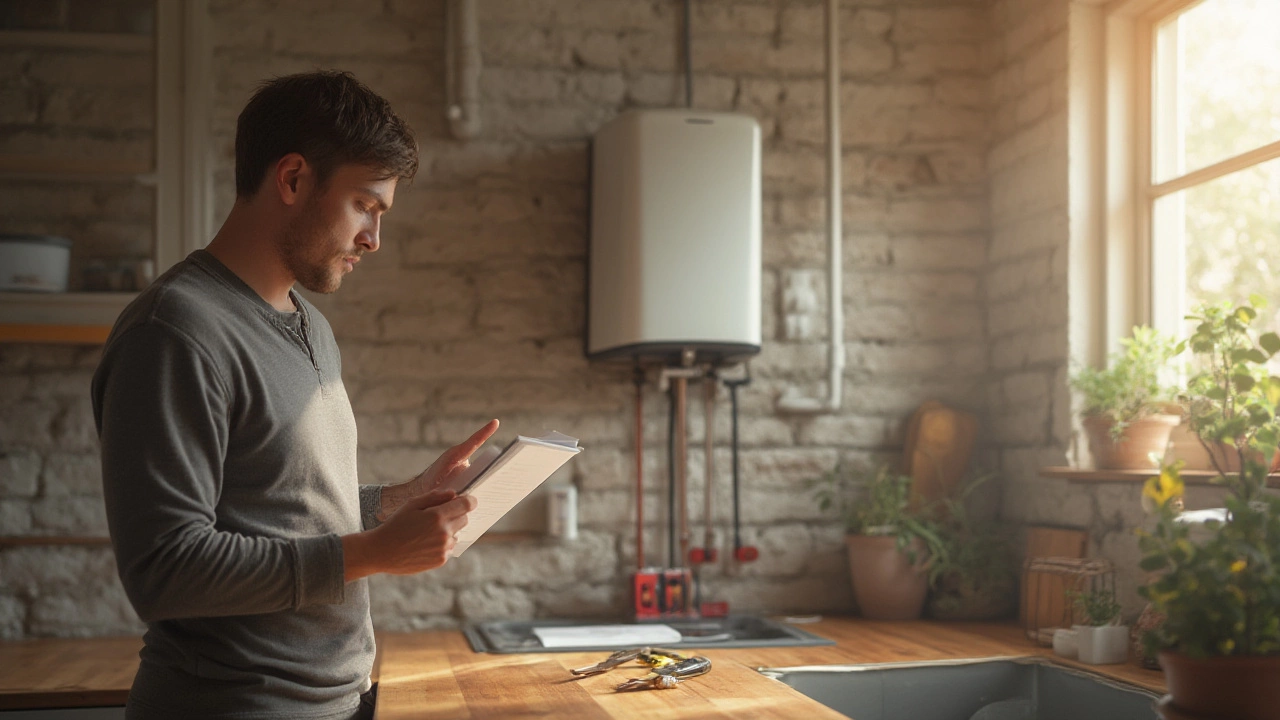
Thinking of fixing your own water heater? Learn when DIY is safe, common problems, money-saving tips, and when to call a pro.

Stuck with a broken boiler and a cold house? This guide shares quick, practical steps to keep your home warm without a working boiler. Learn about safe heating alternatives, ways to trap heat, and smart tricks for getting through chilly nights. Find out what to avoid, when to call a professional, and how to prep for future breakdowns. Perfect for homeowners who want to stay safe and comfortable during a boiler emergency.
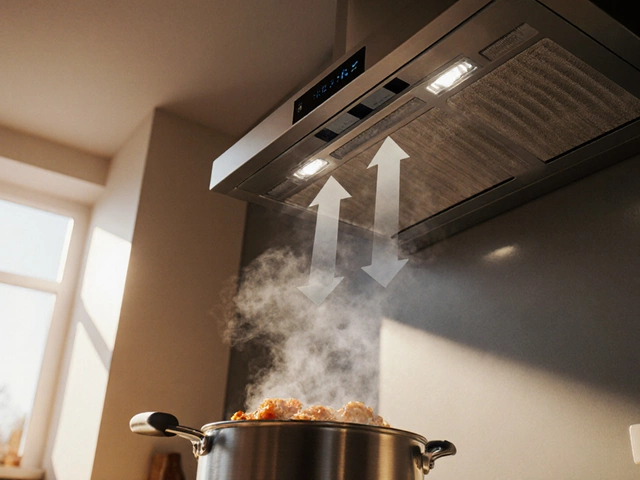
Find out if leaving your extractor fan on is safe, how much energy it uses, and the best practices to protect your home while keeping the kitchen fresh.
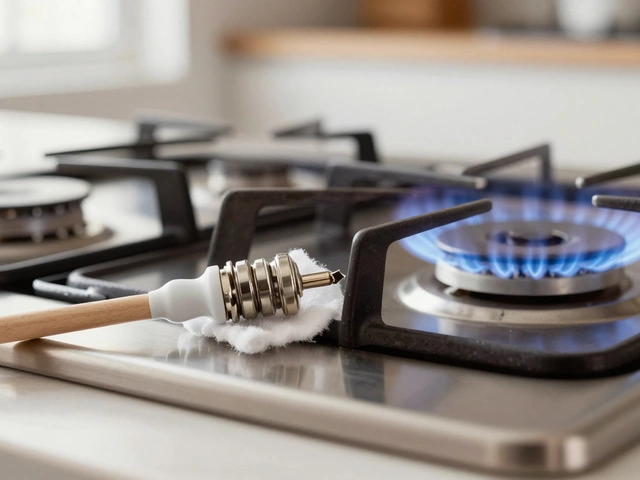
Discover if your broken hob can be fixed. Learn DIY tips for gas, electric, and induction cooktops, when to call a pro, and how to save money on repairs.
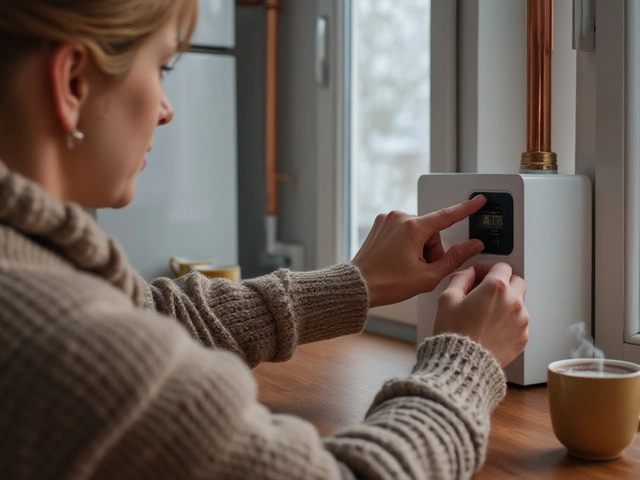
Maintaining a boiler goes beyond just an annual check-up. Regular maintenance ensures that your heating system runs efficiently, prolonging its lifespan and saving money on repairs. This article delves into necessary care tips, signs indicating a need for professional help, and actions homeowners can take to keep their boilers in top shape. Understanding the importance of each maintenance task can help prevent unexpected breakdowns, especially during colder months.

Fixing an electric stove might seem daunting, but many common issues are surprisingly manageable with a bit of know-how. From understanding why the burners aren't heating to recognizing if a problem needs professional attention, this article sheds light on various aspects of electric stove repair. Whether you're dealing with strange noises, faulty wiring, or a completely inoperative oven, we explore what’s usually repairable and what might require a replacement. With practical tips, learn to troubleshoot and potentially save on costly service calls.