

If your hot water feels lukewarm or you hear rumbling noises, it’s probably time to flush the tank. A build‑up of sediment reduces efficiency, hikes energy bills, and can shorten the heater’s life. The good news? You don’t need a plumber for a basic flush – just a few tools and about an hour.
Most experts recommend flushing every 12 months, but hard‑water areas may need it twice a year. Look for these signs: cloudy water from the tap, strange noises, longer recovery times, or a noticeable rise in your heating bill. Ignoring sediment can cause the burner to overheat, leading to costly repairs or a premature replacement.
1. Gather tools. You’ll need a garden hose long enough to reach the drain, a bucket, adjustable pliers, and a flat‑head screwdriver. Turn off the power or gas – electric heaters require the breaker off, gas units need the thermostat set to ‘off’ and the gas valve closed.
2. Shut off the water supply. Locate the cold‑water inlet valve on top of the tank and turn it clockwise until it stops. This stops fresh water from entering while you drain.
3. Connect the hose. Attach one end of the hose to the drain valve at the bottom of the tank. Run the other end to a floor drain or outside where hot water can safely flow.
4. Open the drain valve. Using pliers, carefully open the valve. Let the water run until it looks clear. If it’s still brown or gritty, pause, close the valve, and let the tank sit for a few minutes to let sediment settle, then resume draining.
5. Flush with fresh water. Once the water runs clear, keep the drain valve open and briefly open the cold‑water inlet. Fresh water will swirl through the tank, loosening any remaining particles. Let it run for about a minute, then close the inlet.
6. Close and refill. Shut the drain valve, disconnect the hose, and remove the bucket. Turn the cold‑water supply back on – you’ll hear the tank fill. When the water runs steady from the nearest faucet, the tank is full.
7. Restore power or gas. For electric units, flip the breaker back on. For gas, turn the gas valve to ‘on’ and relight the pilot if needed. Set the thermostat to your desired temperature.
Give the heater a quick check after a few minutes to ensure everything is running smoothly. You should notice hotter water and quieter operation.
Common mistakes to avoid: Never open the drain valve while the heater is still full – it can cause water hammer. Don’t forget to turn off the power or gas; hot water can cause electric shocks or gas leaks. If the hose leaks, tighten the connections before you start.
Regular flushing is one of the cheapest ways to keep your water heater efficient. It extends the unit’s life, saves energy, and prevents surprise cold showers. Keep a simple schedule in your home maintenance log, and you’ll avoid costly repairs down the road.
Ready to try it? Grab a hose, follow these steps, and enjoy steady hot water without waiting for a technician. Your wallet – and your shower – will thank you.
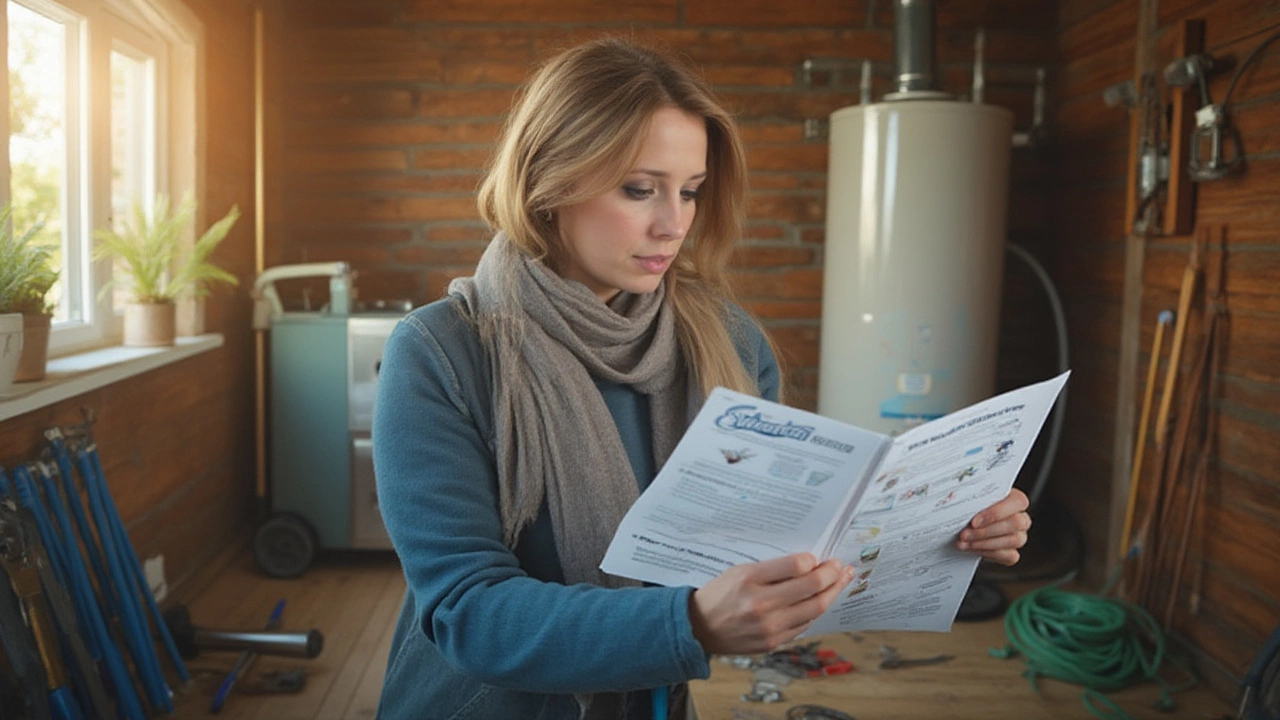
Wondering if you can flush your water heater yourself? Learn the step-by-step process, tools you'll need, and expert tips to extend your water heater's life.

Cracked or damaged glass hobs make you panic, but not every problem spells doom for your stove. This article breaks down what issues can actually be fixed and when it's smarter to replace the glass. You’ll get real-life tips, possible repair options, and clear warnings for common mistakes. Safety comes first, but you’ll also find out when you can handle things yourself—or absolutely need a pro. Practical info, simple steps—you’ll get the full story on glass hob repair.
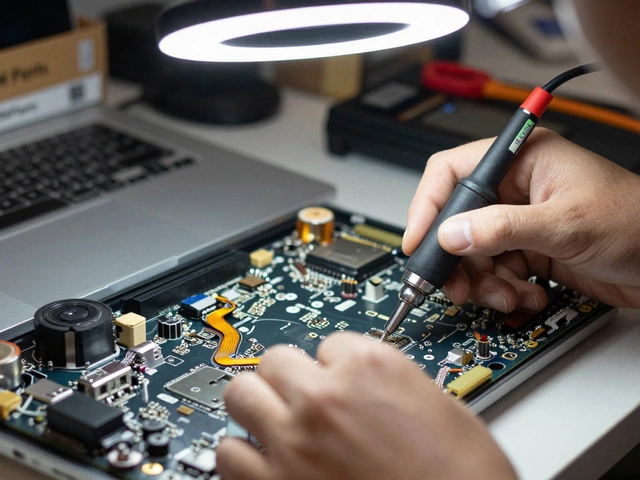
Discover why laptop repair costs have skyrocketed. From genuine parts pricing to skilled labor rates, we break down the real expenses behind every quote.
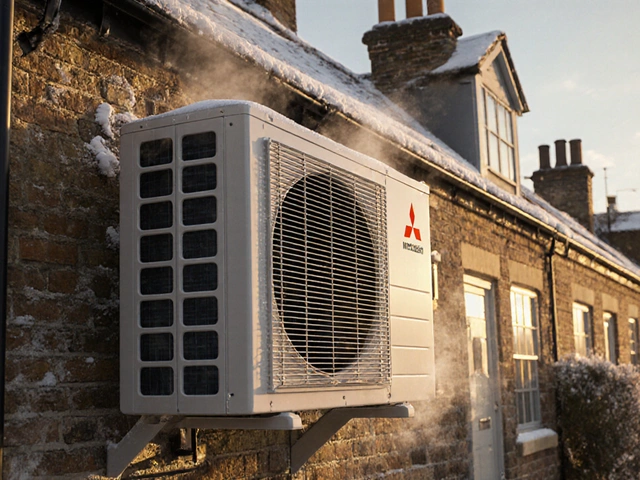
Discover the most reliable heat pump brands for UK homes in 2025, based on real repair data, warranty claims, and installer feedback. Avoid costly mistakes by choosing wisely.

Electric ovens are handy, but they're not immune to problems. This article breaks down the most common faults people face, from ovens not heating properly to strange noises and error codes. You’ll get real tips on troubleshooting and signs when it’s time to call in the pros. Save time (and maybe some frustration) by knowing what to look out for. Find out why your oven might let you down and how to deal with it.
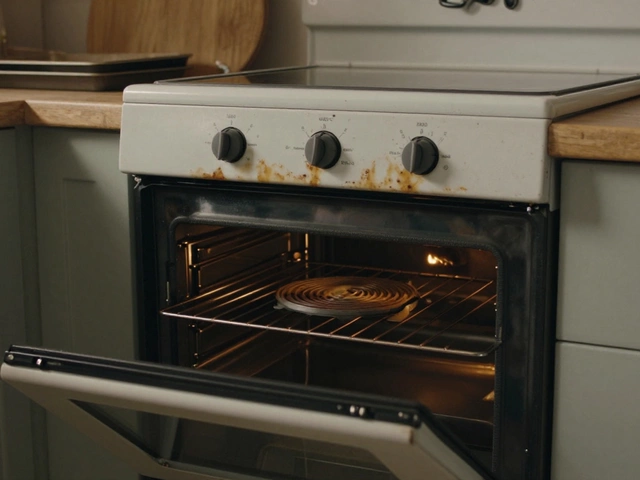
Deciding whether to fix or replace a 20-year-old oven? Learn real repair costs, energy savings, safety risks, and when it’s smarter to buy new. Practical advice for UK homeowners.