

Got a noisy washing machine, a cold oven, or a shower that won’t heat up? Before you pick up the phone, try a few simple checks you can do yourself. Most appliance hiccups are caused by something you can spot and fix in under an hour. The goal is to save time, avoid unnecessary calls, and keep your home running smoothly.
1. Power and connections. The first thing to do is make sure the appliance is actually getting power. Unplug it, wait a few seconds, then plug it back in. For heavy‑duty machines, check the fuse box or circuit breaker – a tripped breaker is a common culprit.
2. Clean filters and vents. A clogged filter is why fridges warm up, dishwashers leave dishes dirty, and extractor fans lose suction. Pull out the filter, rinse it with warm water, and wipe any dust from vent grilles. This simple step often restores performance.
3. Reset and reboot. Many modern appliances have a reset button or a reboot sequence (hold the power button for 10 seconds). Heat pumps, water heaters, and boilers often need a quick reset after a power surge.
4. Replace faulty heating elements. If an electric oven or hob isn’t heating, the element may be broken. Turn off the power, remove the old element, and swap in a new one following the manufacturer’s guide. You’ll need a screwdriver and the correct replacement part – look up the model number to be sure.
5. Tighten loose connections. A humming fridge or a wobbling washing machine often points to a loose wire or bolt. Safely disconnect the unit, tighten any visible screws, and re‑secure hoses. A tight connection can stop leaks and strange noises.
6. Flush water heaters. Over time, mineral buildup reduces efficiency. Drain a few gallons of water, let the tank sit for an hour, then refill. This simple flush can add years to a heater’s life.
DIY is great, but some jobs are best left to experts. If you notice any of these signs, call a qualified repair service:
When you do call a professional, have your appliance model number, purchase date, and a brief description of the issue ready. This speeds up the diagnosis and often reduces the cost.
Finally, keep a small DIY toolbox stocked with a screwdriver set, adjustable wrench, multimeter, and a few replacement parts like fuses and heater elements. A well‑equipped toolbox makes most minor repairs quick and painless.
With these practical tips, you’ll know exactly what you can tackle yourself and when to hand the job over. Your appliances will stay in good shape, your bills will stay low, and you’ll feel confident handling everyday hiccups around the house.
Discover who to call when your bathroom extractor fan starts acting up. This article explores whether to hire a professional electrician or tackle it yourself, highlighting common issues and maintenance tips. You'll also learn why keeping your fan in top shape matters more than you might think.
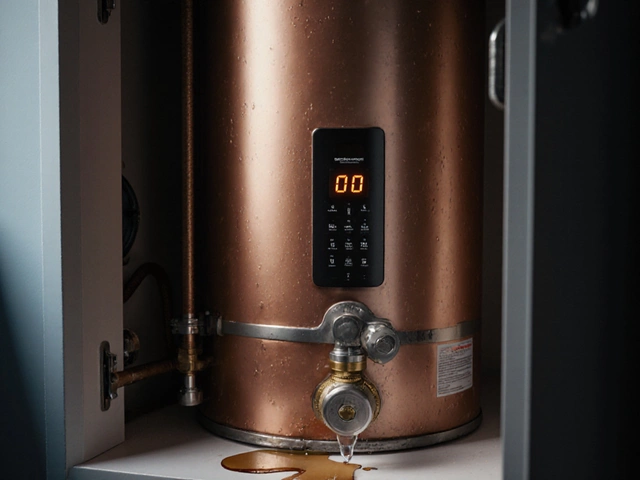
Spot the top warning signs of a failing hot water heater, from strange noises and leaks to temperature swings and error codes, plus practical fixes and when to call a pro.

Curious about how your home appliances actually work? Get a full breakdown of what happens inside, troubleshooting tips, and smart ways to keep everything running smoothly.
Learn the typical UK price for an oven control board, factors that affect cost, DIY steps, and when to call a professional in 2025.
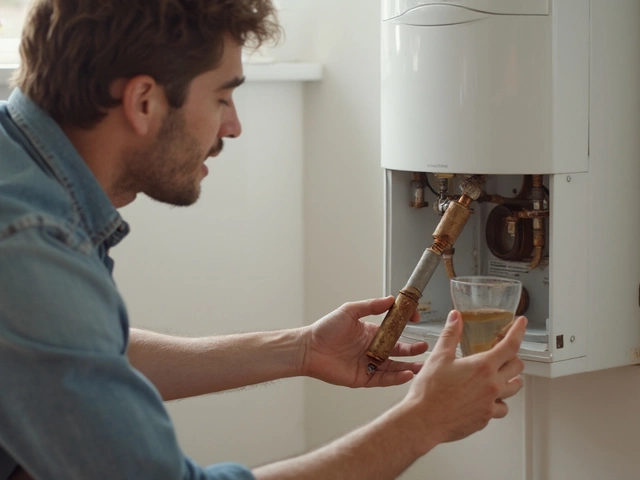
Not sure if your water heater's anode rod is shot? This article breaks down the telltale signs that your anode rod is past its prime, from weird smells to rusty water. Find out how long these rods actually last, why they're so important, and how to check them yourself. With some simple tips, you'll spot trouble before it wrecks your tank. Get the facts so you can keep hot water flowing without a nasty surprise.

Ever wonder if switching your boiler on and off harms it? This article unpacks how boilers handle frequent power cycles, what really wears them out, and when switching off could save you cash or cause problems. Find out the best ways to run your boiler for both safety and savings. Practical tips and real facts—all in plain English. Avoid costly repairs by knowing how to treat your boiler right.