

Got a fridge that's warm but still lights up? You’re not alone. Most of the time the problem is something you can handle without calling a technician. Below are the most common reasons a fridge stops cooling and the practical fixes you can try right now.
First, check the basics. The door seal (gasket) might be dirty or damaged, letting warm air sneak in. A blocked condenser coil can also force the compressor to work harder, reducing cooling efficiency. Another frequent culprit is a faulty thermostat or temperature sensor that sends the wrong signals to the cooling system. Lastly, a frozen evaporator fan can stop airflow, making the fridge feel warm even though the compressor runs.
1. Clean the condenser coils. Pull the fridge away from the wall, locate the coils (usually at the back or underneath), and vacuum them with a brush attachment. Removing dust and pet hair restores proper heat exchange, and the fridge should start cooling faster.
2. Inspect and replace the door gasket. Close the door on a piece of paper; if you can pull it out easily, the seal is worn. Wipe the gasket with warm, soapy water and, if it’s cracked, replace it – they’re inexpensive and fit most models.
3. Defrost the evaporator fan. Unplug the fridge, leave the doors open, and let any ice melt for a few hours. Scrape gently with a plastic spatula if needed. Once cleared, the fan can move cold air around again.
4. Test the thermostat. Locate the temperature control dial (often inside the fridge). Turn it a few degrees colder and listen for the compressor to kick on. If nothing changes after an hour, the thermostat may need replacement – a quick swap for most models.
5. Check the airflow inside. Make sure items aren’t blocking the vents at the back of the fridge or freezer. Crowding the interior forces the fridge to work harder and can cause uneven cooling.
If none of these steps help, it might be a deeper issue like a compressor failure or refrigerant leak. That’s where professional help comes in. Bognor Regis Appliance Repair Experts can diagnose and fix complex problems quickly, saving you time and money.
Before you start, always unplug the fridge to avoid electric shock. Keep a towel handy for any water that drips while you work. A few simple tools – a screwdriver, a vacuum, and a flashlight – are all you need for most of the fixes listed.
Remember, regular maintenance prevents most cooling problems. Wipe the coils every six months, check the gasket weekly, and keep the fridge a few inches away from the wall for proper ventilation. With a little care, your fridge will stay cool and quiet for years.
Got a stubborn issue that still won’t budge? Give the Bognor Regis Appliance Repair Experts a call. Their skilled technicians handle everything from minor tweaks to major component swaps, and they’re right in your local area.
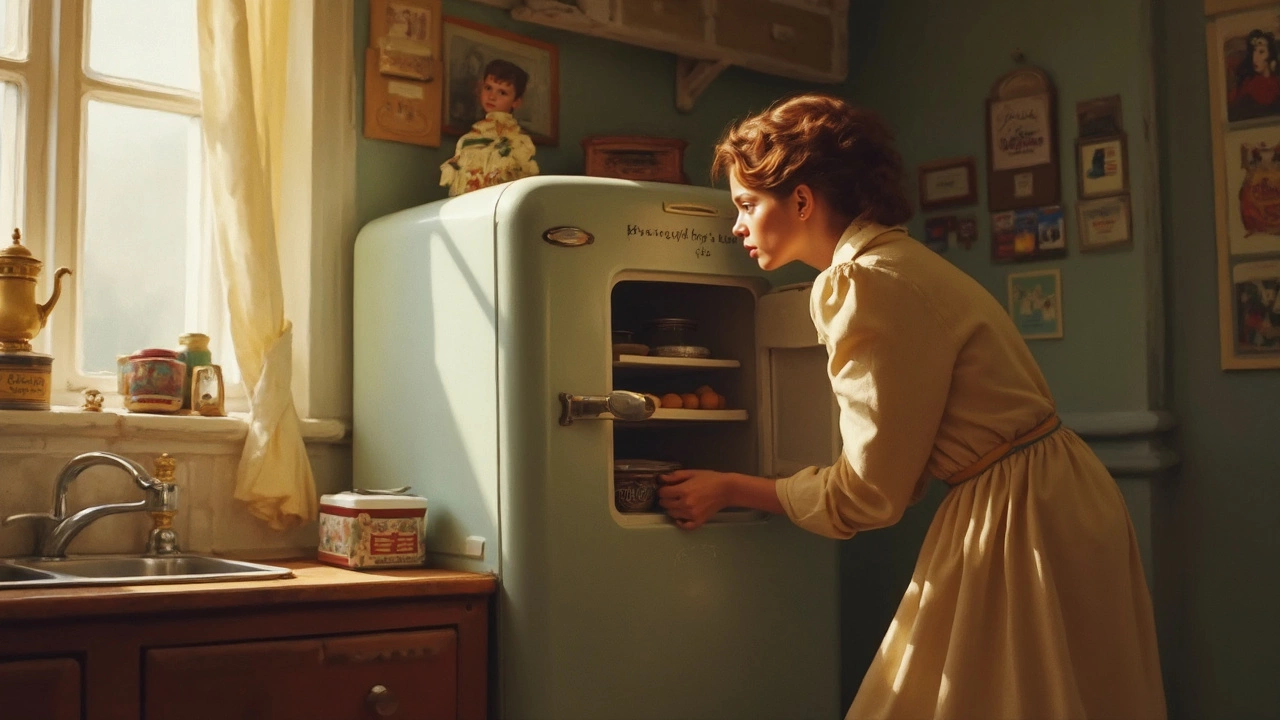
Fixing your fridge on your own can be a real money-saver if you know where to start. First, you've got to figure out what's actually wrong before grabbing your toolbox. With some basic tools and a little patience, you might just handle common issues like leaks, noisy operation, or poor cooling effectively. But sometimes, you also need to know when it's time to bring in a professional.
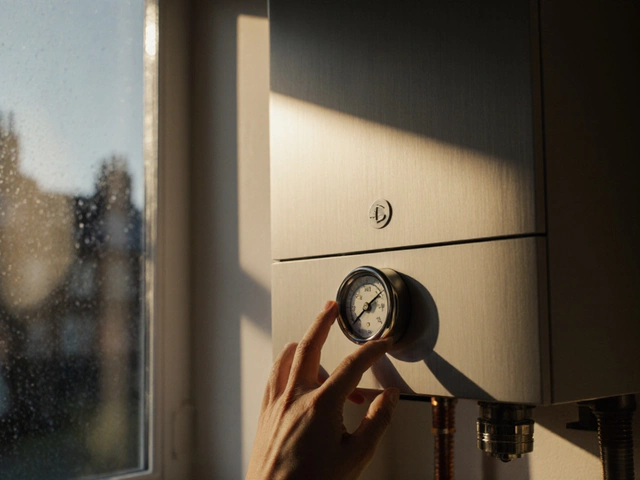
Step‑by‑step guide to diagnose common boiler problems, covering pressure, thermostat, fault codes, leaks, and when to call a professional.
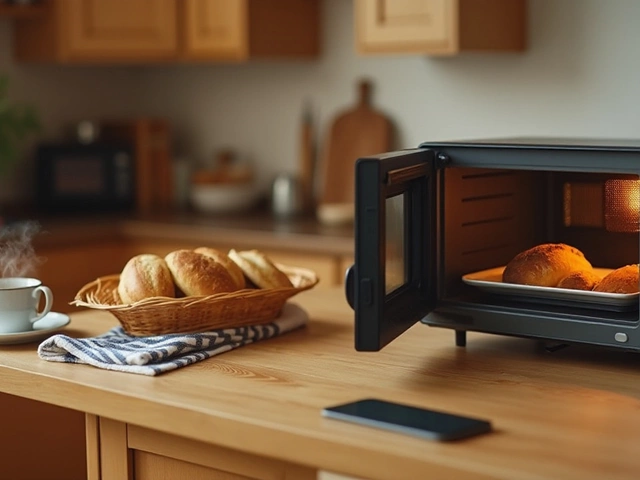
Microwave ovens are essential appliances due to their convenience in heating food. However, they can encounter several problems over time. The most frequent cause of microwave failure is a faulty door switch. This article discusses common microwave problems, how to identify them, and offers practical guidance on how to handle these issues.

Thinking about swapping out your electric oven? This article covers how tough the job really is, where people usually get stuck, and what you actually need to know. We break down what tools you really need, what pitfalls you can avoid, and when you should probably call someone who’s done it before. Get ready for straight talk—no tech jargon, just real advice for regular folks. Whether you DIY or call a pro, you’ll walk away ready to make a smart decision.
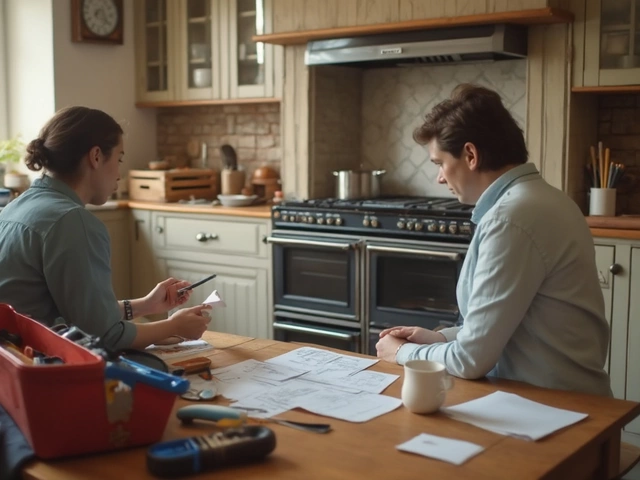
Thinking about whether to repair an 8-year-old oven? This article digs into the real costs and benefits, from repair bills to how long ovens actually last. You'll get tips on diagnosing simple issues yourself, signs to look for before calling a pro, and how energy efficiency compares between old and new models. See how warranties, brand reputation, and parts availability impact the final call. Get advice that’s practical, straight-up, and doesn’t waste your time.

Wondering how long your electric stove is supposed to last? This article breaks down real-world numbers, explains what impacts the life of an electric stove, and gives you the know-how to make yours last longer. You’ll get practical advice on repairs versus replacement, and tips to avoid common pitfalls that cut appliance life short. Choosing the right upkeep now can save you money and headaches later. Perfect for homeowners who want their kitchen running smoothly for years.