

Got a noisy or dead extractor fan? You don’t need to wait for a technician. In most cases you can sort it out with a few tools, a bit of patience, and these clear steps. This guide walks you through the most common issues, quick fixes, and a full replacement process that even a beginner can follow.
The first thing to check is power. Make sure the fan is still plugged in and the circuit breaker hasn’t tripped. If the fan hums but doesn’t spin, the motor bearings are probably stuck. A quick spray of WD‑40 on the motor shaft (after unplugging the unit) can free it up. For fans that barely spin, the fan blades may be clogged with grease or dust – a simple clean‑out with a brush and vacuum does the trick.
Another frequent complaint is a foul smell. That usually means mould or food residue in the duct. Detach the cover, wipe it down with a mild detergent, and run the fan for a few minutes to dry it out. If the fan still won’t turn on after these checks, the motor could be burnt out. In that case you’ll need a replacement unit.
Before you start, gather a screwdriver (usually Phillips), a ladder if the fan is high, and your new fan model. Turn off the electricity at the breaker – safety first. Remove the old fan’s outer grille; it’s often clipped or screwed in place. Keep the screws in a small container so they don’t get lost.
Next, disconnect the wiring. Most fans use a simple three‑wire connector: live, neutral, and earth. Take a photo of the wiring layout, then unplug the connectors. Unscrew the fan from its mounting bracket and pull it out gently. If the ductwork is attached, loosen the clamp or tape holding it.
Hang the new fan in the same spot, re‑attach the duct, and reconnect the wires according to the photo you took. Tighten the mounting screws, replace the grille, and double‑check that everything is secure. Finally, flip the breaker back on and test the fan. You should hear a steady, clean airflow.
If the fan still doesn’t work after a careful install, double‑check the connections and make sure the new motor matches the voltage rating of your home. Sometimes a faulty new unit can slip through, so swapping it for another can solve the problem.
Regular maintenance keeps fans running smoothly. Wipe the grille every few months, clean the motor shaft annually, and inspect the duct for buildup. A little upkeep saves you from big headaches later.
When DIY isn’t enough – for example, if you spot sparking, a cracked housing, or a persistent smell after a fresh install – call a qualified electrician or ventilation specialist. It’s better to be safe than to risk damage or injury.
With these tips, you can handle most fan issues on your own. A quick fix, a clean fan, and a fresh breeze are just a few steps away.

If your extractor fan has suddenly stopped working, it's not just annoying but can lead to bigger problems like excess moisture and lingering odors. This article will delve into common issues with extractor fans and provide practical solutions you can try at home. Learn about potential causes, from power supply problems to sensor malfunctions, along with straightforward fixes. Some tips might even save you from calling in a professional. Get your fan back up and running with ease!

Explore the practical steps in diagnosing and fixing common issues with kitchen extractor fans. Learn about the signs your fan might need repair, and gather essential maintenance tips to extend its life. Whether you're a DIY enthusiast or considering professional help, this guide provides valuable insights for restoring your kitchen ventilation system to optimal performance. Discover how regular upkeep can prevent costly replacements.
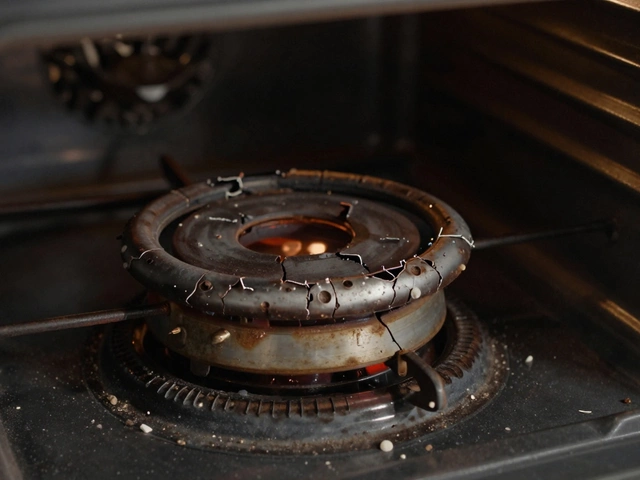
If your oven won't heat up, it's usually a simple fix-like a broken element, faulty thermostat, or blown fuse. Learn the most common causes and how to diagnose them yourself before calling a repair technician.

Find out if Geek Squad repairs are truly free. Learn about warranty coverage, service plans, and real repair costs for laptops.

Is your hot water heater suddenly not working? Here’s what can go wrong, how to spot the problem fast, and pro tips to get hot water back right away.
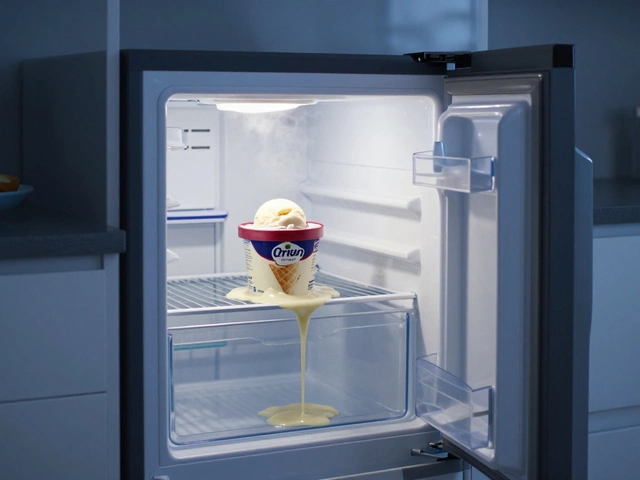
Discover the average life expectancy of a freezer, signs of failure, and whether to repair or replace. Learn practical tips to extend appliance lifespan and make smart financial decisions.
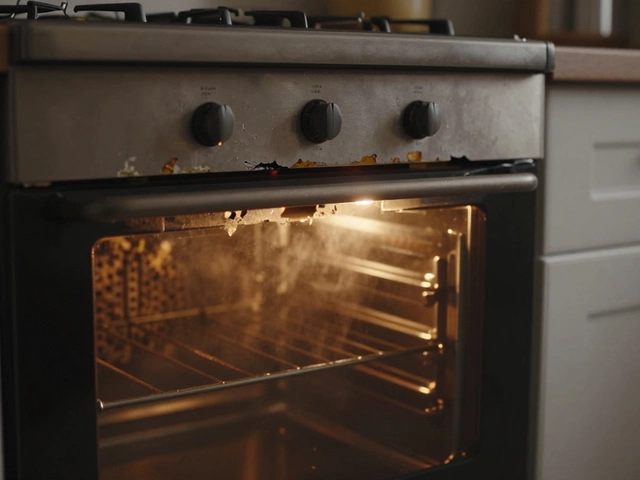
Most ovens last 10 to 15 years, but usage and maintenance affect lifespan. Learn the signs your oven is failing, when to repair vs. replace, and how to make it last longer.