

If your dishwasher is making strange noises, leaving dishes spotty, or smelling funky, you’re probably skipping a few easy upkeep tasks. The good news? A few minutes each month can stop most problems before they need a costly repair.
1. Clean the filter. Open the bottom rack, locate the metal or plastic filter, and pull it out. Rinse under warm water and tap out any food bits. A clogged filter forces the pump to work harder and can cause leaks.
2. Inspect spray arms. Remove the arms (check your manual for a quick removal tip) and rinse them with a toothbrush. Use a thin wire to clear any holes that are blocked by debris. Clear arms mean water reaches every dish.
3. Wipe the door seal. Run a damp cloth around the rubber gasket. If you see mold or buildup, use a mixture of equal parts water and vinegar to scrub it away. A good seal prevents water from escaping and keeps the dishwasher quiet.
4. Run a cleaning cycle. Put a dishwasher‑safe cleaning tablet or a cup of white vinegar on the top rack and run a hot wash with no dishes. This removes limescale, grease, and odor‑causing bacteria.
5. Check the drainage. Make sure the drain hose isn’t kinked and that the sink connection isn’t clogged. A slow drain can leave water at the bottom and cause rust.
Using the wrong detergent is a big culprit. Stick to tablets or powders labeled for dishwashers – regular dish soap creates suds that overflow and damage the machine. Also, avoid over‑loading; dishes need space for water to circulate. If you notice a persistent smell, don’t just spray air freshener inside – it masks the issue. Instead, run the cleaning cycle and clean the filter.
Hard water areas benefit from a water‑softening rinse aid. It prevents mineral spots on glassware and reduces wear on the pump. If you live in a very hard‑water zone, consider installing a whole‑home softener or using a dishwasher‑specific additive.
When something feels off – a leak under the tub, a burning smell, or an error code – it’s time to call a professional. Bognor Regis Appliance Repair Experts can diagnose the problem quickly and get your dishwasher back to work without a hefty bill.
By keeping these simple tasks on your routine, your dishwasher will stay quiet, efficient, and last longer. A few minutes of care now saves you from a costly call later.

When it comes to kitchen convenience, dishwashers are hard to beat. They free up our time, reduce water and energy use, and help keep our kitchenware sparkling clean. But how long should one really expect a dishwasher to last? This article will explore average lifespans, key factors affecting longevity, and practical tips for extending the life of your trusty machine, ensuring you get the most value and efficiency.
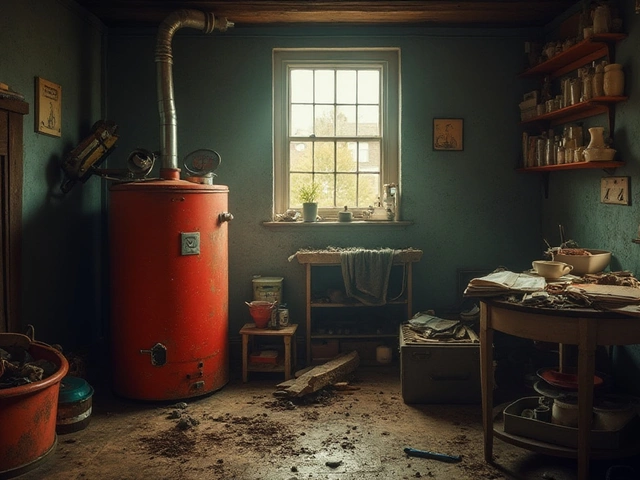
A 40-year-old boiler can pose potential safety risks. Understanding the wear and tear it undergoes over the decades is crucial. Regular maintenance and safety checks are essential to ensure it operates safely. Homeowners should consider the pros and cons of keeping such an old appliance. Discover tips and advice on making informed decisions regarding your boiler's safety and efficiency.

Repairing an aging laptop can be a tricky decision. This article explores whether it's still worth investing in a 7-year-old device. We'll consider factors like performance, cost, potential upgrades, and environmental impact. Dive in to learn about the practical and sentimental value of maintaining your trusty laptop.

Wondering if that decade-old laptop should stick around or be kicked to the curb? This article dives into the practicality, challenges, and potential of keeping a 10-year-old laptop. With tips on upgrading components, performance tweaks, and sustainability, you'll discover whether holding on to an old device is a wise choice. Including pros and cons, this guide offers straightforward advice for the tech-savvy and beginners alike. Explore the balance between nostalgia and functionality in the ever-evolving world of technology.

Curious which washing machine brand stands up best to repairs and everyday wear? This article digs into brand reliability, repair costs, and little-known tips every washing machine owner should know before buying or fixing one. You'll get the real scoop on which brands are easiest to fix, which have the cheapest parts, and what actually ends up causing most breakdowns. Whether you've had bad luck with machines before or just want a smooth laundry routine, this guide breaks it all down. No bias, just straight talk based on what actually happens when these things break.

Cracks in electric hobs can show up suddenly and cause real headaches in the kitchen. This article looks at why electric hobs crack, from common mistakes to sneaky issues with installation. You'll get practical tips on how to prevent damage and handle minor cracks. Find out when you can fix a hob yourself and when it's smarter to call for professional help. Stay ahead of costly repairs and keep your cooking space safe.