

Ever wonder why your dishwasher starts making weird noises or leaves dishes still wet? Most people think the problem is the motor, but often it’s just age catching up. In the UK, a good dishwasher typically gives you between 8 and 12 years of solid service. Anything less often means a bigger issue or cheap build quality. Knowing the typical lifespan helps you decide if a repair is worth the cost or if it’s time for a fresh model.
There are a few tell‑tale signs that your appliance is on its last legs. First, check the cleaning performance – if you notice residue after a normal cycle, the spray arms or filter may be clogged, but it could also signal wear on the pump. Second, listen for louder than normal sounds; a humming motor that rattles usually means bearings are failing. Third, keep an eye on water leaks – even a slow drip can mean seals are deteriorating. When two or three of these issues show up together, the machine is probably past its prime.
Regular care can push those 10‑year marks a bit further. Every month, pull out the bottom rack and clean the filter – food bits are the main cause of clogging. Run a hot‑water cycle with a cup of white vinegar once a season to dissolve limescale and grease. Check the spray arms for blocked holes and give them a quick rinse. Finally, wipe the door gasket with a damp cloth to stop mold from building up. These easy steps cost minutes but can save you a costly repair later.
If you do need a fix, compare the price of the part plus labour with the value of the whole machine. Replacing a pump or a heating element usually runs between £80 and £150. If your dishwasher is already 10 years old and the repair hits the £200‑plus mark, buying a new, energy‑efficient model could be smarter. New units use less water and electricity, which means lower bills and a smaller carbon footprint.
Bottom line: a well‑maintained dishwasher should last around a decade. Notice the warning signs early, keep up with basic cleaning, and weigh repair costs against the machine’s age. With a little attention, you’ll keep dishes sparkling without having to replace the whole thing every few years.

When it comes to kitchen convenience, dishwashers are hard to beat. They free up our time, reduce water and energy use, and help keep our kitchenware sparkling clean. But how long should one really expect a dishwasher to last? This article will explore average lifespans, key factors affecting longevity, and practical tips for extending the life of your trusty machine, ensuring you get the most value and efficiency.

Wondering how often you should replace your extractor fan? This article covers extractor fan lifespan, signs it's time for a change, maintenance tips, and why fresh air matters.

Find out when repairing your dryer isn’t the smart move. Learn real signs, safety warnings, and how to choose between fixing and just getting a new one.

Microwave suddenly dead? It might be the fuse. This article breaks down the real cost of repairing a microwave fuse—parts, labor, hidden fees, and whether you should DIY. You'll get practical tips on when to call a pro, what brands cost more, and how to avoid common mistakes. A straightforward guide to help you fix your microwave without overspending.

Curious about how much a new boiler might set you back? This article breaks down the costs involved, from purchasing the unit to installation fees. Understand the factors that influence pricing and learn practical tips to get the most value from your investment. Discover essential maintenance advice and the importance of proper sizing and efficiency ratings. Equip yourself with knowledge before making a decision about your home's heating system.
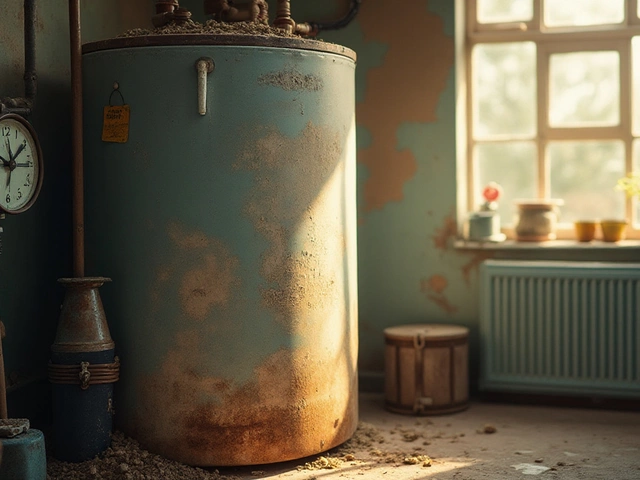
Neglecting to flush your water heater can lead to a host of issues, from inefficiency to full-blown malfunctions. Sediment buildup can decrease heating efficiency and even cause damage over time. This article explores what happens if you never flush your water heater, why regular maintenance is crucial, and how you can perform these tasks. Dive into practical advice and tips for maintaining a healthy water heating system.