

Got a fridge that won’t cool, an oven that won’t heat, or a heat pump that’s acting up? You’re not alone. Most of us face a broken appliance at some point, and the cost of a service call can add up fast. The good news is that many problems are simple enough to fix yourself with the right guidance.
Start by turning off the appliance and unplugging it – safety first. For a fridge that’s warm but the light is still on, check the condenser coils. Dust and debris can stop heat from escaping, making the fridge work harder. A quick vacuum or brush clean usually brings the temperature back to normal.
If your electric oven isn’t heating, the culprit is often a faulty heating element. You can spot a broken element by a visible break or a burnt smell. Swapping it out yourself takes a screwdriver, a new element (match the model), and a few minutes. Just remember to disconnect power before you start.
When a dishwasher leaks or won’t drain, the most common cause is a clogged filter. Pull out the lower rack, locate the filter at the base, and rinse it under warm water. If water still pools, the drain hose might be kinked or blocked – a quick straightening or a rinse with a garden hose often clears it.
Some jobs are better left to experts. Heat pumps, for example, involve refrigerant lines and electrical components that need specialist tools and certification. If your heat pump isn’t blowing warm air, and you’ve already checked the filter and thermostat, it’s time to call a qualified technician. Trying to fix it yourself could void warranties or cause safety hazards.
Boiler issues are another area where a professional’s touch is crucial. A boiler that keeps resetting or shows strange error codes may have internal faults that require a Gas Safe engineer. Attempting DIY repairs on a boiler can be risky, so schedule a service instead.
Finally, for large appliances like washing machines that show multiple error codes or make strange noises, a qualified repairperson can diagnose motor or pump problems quickly. This saves you time and prevents further damage.
Whether you’re fixing a simple burner on an electric hob or deciding if a 30‑year‑old water heater is still worth keeping, the key is to know your limits. Use these guides to troubleshoot, perform easy repairs, and keep your home running smoothly. And remember, regular maintenance – like flushing water heaters, cleaning fan filters, and checking seals – can extend the life of almost any appliance.
Got a specific problem that isn’t covered here? Our collection of step‑by‑step guides dives deeper into each appliance, from heat pump lifespan to dishwasher brand warnings. Explore them, try the safe fixes, and call a professional when you need that extra expertise.

Got an appliance that isn’t working right? The way you describe it can make or break your service experience. This article breaks down how to explain what’s wrong with your appliance, what details really matter, and how to avoid confusion. Learn which features, model numbers, and problem signs technicians care about. Save time and frustration on your next repair call.

Choosing a cooker that stands the test of time can be daunting amid a sea of brands promising longevity. This article delves into which brands have stood out for their durability and reliability. By exploring user experiences and industry insights, it aims to guide you in the right direction. Discover how some brands maintain their reputation for endurance and what to consider when selecting your next appliance.

Microwave suddenly dead? It might be the fuse. This article breaks down the real cost of repairing a microwave fuse—parts, labor, hidden fees, and whether you should DIY. You'll get practical tips on when to call a pro, what brands cost more, and how to avoid common mistakes. A straightforward guide to help you fix your microwave without overspending.
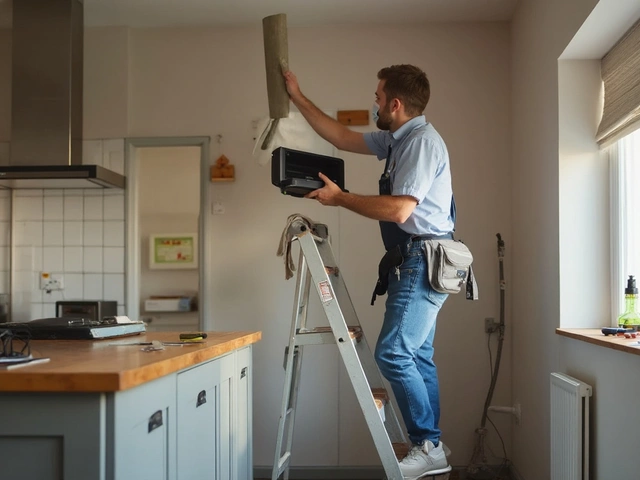
Wondering if you can swap out an extractor fan without calling in a pro? This article breaks down what it really takes to replace an extractor fan yourself, from the easy steps to watch-outs that could trip you up. Learn which tools you’ll need, how to stay safe with electricity, and where to draw the line and call an expert. Get helpful tips and facts straight from a practical perspective. Perfect for anyone ready to tackle a home repair without risking their safety or their ceiling.

Experiencing no hot water in the shower can be frustrating, especially on cold mornings. This article provides practical solutions to diagnose and resolve common issues with your water heating system. From checking simple things like the thermostat to identifying more complex issues like a faulty heating element, you'll learn how to get back to enjoying a warm shower.
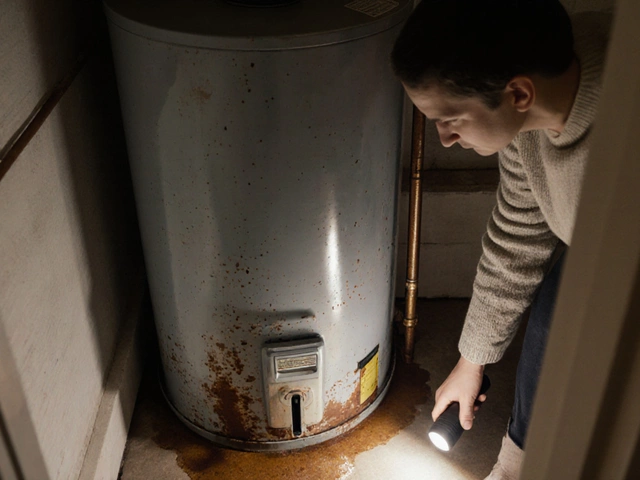
Find out if fixing a 20‑year‑old water heater makes sense. Compare repair costs, energy loss, and replacement price to decide the best move for your home.