

Getting a clear picture of boiler costs can save you a lot of stress and money. In the UK a new boiler can run from £1,500 to £4,500 depending on size, brand and type. But most homeowners never need a brand‑new unit – a service or a repair often does the trick.
A standard annual service usually falls between £70 and £120. The price includes a safety check, pressure test and cleaning of key parts. If the engineer finds a fault, the cost will rise because of labor and any spare parts needed. A quick call to a local, Gas Safe‑registered engineer can give you a solid quote before they start.
Most repairs – like a blown pump, a faulty thermostat or a leaky pipe – cost anywhere from £80 to £300. If the repair bill hits more than half the price of a new boiler, it’s time to consider replacement. Age matters too: a boiler older than 12‑15 years is less efficient and more likely to break down, so a new model often saves on energy bills.
Key signs you should replace rather than repair include frequent breakdowns, rising energy costs, rust on the metal parts, and unusual noises. A modern condensing boiler can cut your heating bill by up to 30 % compared with an old non‑condensing unit.
When you decide on a new boiler, factor in installation labour – typically £300‑£600 – and any additional work like upgrading the pipework or adding a new thermostat. Some installers bundle the parts and labour for a flat rate, which can be easier on the wallet.
Don’t forget the government’s Boiler Upgrade Scheme. Depending on your eligibility, you could get a grant covering up to 60 % of the total cost, which makes a brand‑new high‑efficiency boiler a lot more affordable.
Always ask for a written quote that breaks down labour, parts and any extra charges. Compare at least three quotes – you’ll often see a big price spread, and the cheapest isn’t always the best if it means poor warranty coverage.
If you’re on a tight budget, ask the installer about a “pay‑as‑you‑go” plan or financing options. Many local firms let you spread the cost over 12‑24 months with low interest.
Regular maintenance is the cheapest way to keep costs down. A well‑tuned boiler runs efficiently, lasts longer and avoids surprise breakdowns. Set a calendar reminder for a yearly service and stick to it.
Bottom line: know your boiler’s age, track its energy use, and get clear quotes for any work. With the right info you’ll know when a £150 repair is smart and when a £2,500 replacement makes more sense. Keep these tips handy and you’ll stay in control of your heating costs.

Stuck between fixing or swapping your boiler? Discover the real facts, costs, tips, and how to make the right call for your property, budget, and comfort.

Ever opened your freezer to find squishy ice cream or thawed food when it should be rock solid? This article digs into the real reasons your freezer refuses to stay frozen, from simple mistakes to sneaky mechanical fails. Learn how to spot common culprits, fix minor issues yourself, and know when things are actually serious. Packed with practical tips and straightforward advice, you'll get the cold facts and solutions you need. No jargon, just help you can actually use.

Resetting a freezer compressor may sound daunting, but it's an essential skill for maintaining your appliance's efficiency. Compressors can occasionally need a reset to function properly, potentially saving you from costly repairs or replacements. This article walks you through the steps to safely reset your freezer compressor and offers tips to prevent future issues. Understanding when and why to reset your compressor can keep your freezer running smoothly and extend its lifespan.

Extractor fans are crucial for maintaining fresh air and reducing humidity in various parts of a home. When these fans malfunction, it's important to know who to call for repairs. This article guides homeowners on how to find reliable extractor fan repair services. We'll look at why professional help is essential and what to consider when selecting a repair technician.
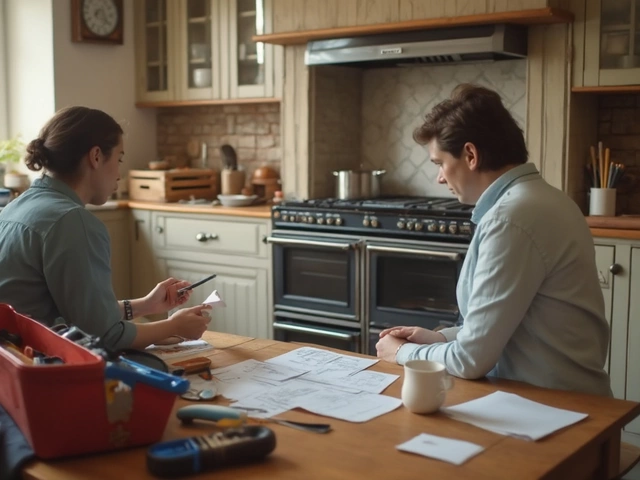
Thinking about whether to repair an 8-year-old oven? This article digs into the real costs and benefits, from repair bills to how long ovens actually last. You'll get tips on diagnosing simple issues yourself, signs to look for before calling a pro, and how energy efficiency compares between old and new models. See how warranties, brand reputation, and parts availability impact the final call. Get advice that’s practical, straight-up, and doesn’t waste your time.

Is fixing a 4-year-old dishwasher actually worth it? Get honest advice, money-saving tips, and clear facts for making the smartest call.