

Got a broken fridge, a temperamental oven, or a noisy washing machine? You don’t have to drop a fortune on a replacement. Most household appliances have simple issues that you can fix yourself, or at least prolong their life with a bit of maintenance. Below are the top ways to keep your gadgets running without breaking the bank.
Start with the low‑effort jobs that need only a screwdriver or a multimeter. If your electric hob isn’t heating, the element is often the culprit – replace it yourself with a few minutes of work and a cheap part. A cold oven? The heating element or thermostat may be faulty; swapping the element yourself usually costs under £30 and a half‑hour of your time.
For a fridge that’s running but not cooling, check the condenser coils. Dust buildup is a common cause of reduced efficiency, and cleaning them with a brush can restore performance. Similarly, a dishwasher that won’t spin often has a blocked spray arm or a loose pump connection – both are easy to inspect and fix.
Regular upkeep is the secret sauce for long‑lasting appliances. Flush your water heater at least once a year to prevent sediment buildup that forces the unit to work harder. Replace your kitchen extractor fan every 5‑7 years, or sooner if you notice reduced airflow or strange noises.
Heat pumps, both air‑source and ground‑source, lose efficiency when filters or fans get clogged. A quick filter change every few months can keep the system running warm in winter and cool in summer without pricey service calls.
When it comes to washing machines, keep an eye on the drum balance and hose connections. A wobbling washer can damage bearings early – tightening the legs or re‑leveling the machine often solves the problem and saves a costly bearing replacement.
Remember, not every issue should be DIY. If you encounter gas‑related boiler problems, electrical faults beyond basic component swaps, or a heat pump that refuses to blow warm air after basic checks, call a qualified technician. Professional service avoids dangerous mistakes and can be cheaper in the long run than repeated failed DIY attempts.
Bottom line: a mix of quick fixes, routine maintenance, and smart decisions about when to call the pros lets you keep appliances humming while keeping your wallet happy. Start with one simple task today – you’ll be surprised how much you can save.

Deciding between repairing and replacing a freezer can be tricky. This article guides you through evaluating repair costs, expected lifespan, and energy efficiency before making a decision. It provides practical advice to help you make an economical choice, whether to fix or replace your freezer. Learn important factors to consider, like repair frequency and environmental impact, to ensure you spend wisely.

When facing a broken boiler, many homeowners find themselves debating the merits of repairing versus replacing. Considering factors like costs, age of the boiler, frequency of issues, and energy efficiency can help make an informed decision. Exploring repair benefits as a cost-saving solution might be worthwhile for some, while others may find replacement offers better long-term advantages. Understanding your system's specific needs ensures optimal performance during the colder months.

Electric ovens can sometimes act up and cause frustration in the kitchen. While not every issue requires a professional, understanding the basic components can save time and money. This guide explores the practicality, challenges, and tips for tackling common oven problems. Whether it's a heating issue or a broken door handle, knowing what to check is crucial. Get insights into the DIY approach to electric oven repair to keep your appliance running smoothly.

Neglecting boiler maintenance can lead to a series of unfortunate events, from reduced heating efficiency to costly breakdowns. A neglected boiler could become a safety hazard, potentially increasing the risk of carbon monoxide poisoning. Regular servicing can enhance your boiler’s longevity, ensuring a warm home environment during cold spells. Discover why these routine check-ups are more crucial than many realize and learn how they can save you from avoidable expenses.
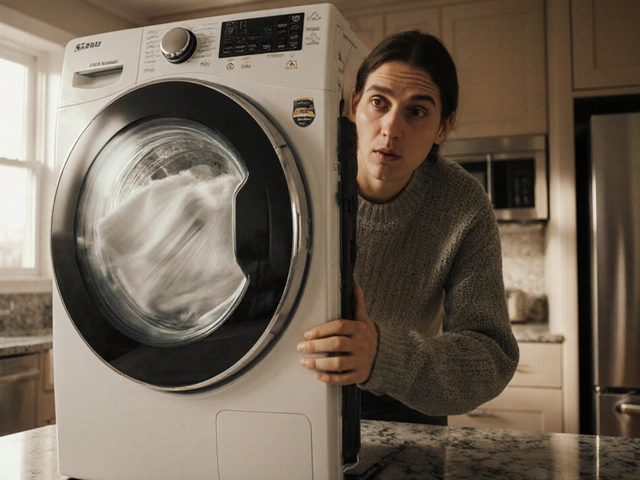
Learn why and when appliances need professional service, the signs of trouble, how often each should be checked, DIY tips, costs and when to replace.

Searching for a trusty electric oven can make a big difference in your cooking experience and lessen repair issues. This article uncovers the top-performing brands known for reliable electric ovens, sharing insights on what makes these brands stand out. From innovative features to energy efficiency, you'll learn tips on choosing the right oven and maintaining it for long-lasting use. Whether you're shopping for a new appliance or fixing an old one, this guide shines a light on the best options available today.
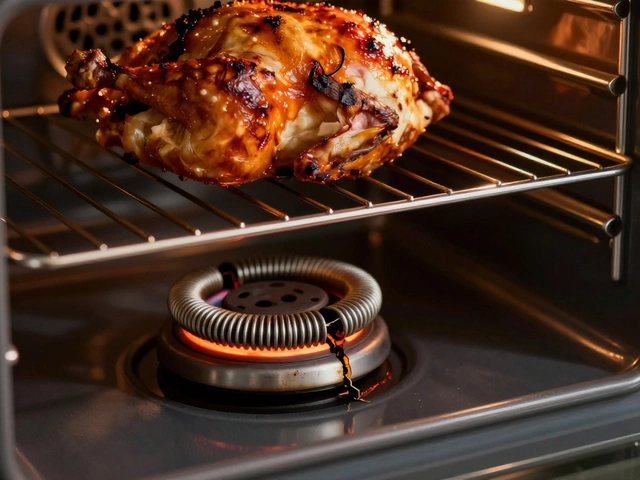
Discover if replacing your oven heating element is cost-effective compared to buying a new appliance. We break down repair costs, DIY steps, and signs of failure to help you decide.