

When something that should be cool stops working, it feels like a disaster. Whether it’s a heat pump that won’t chill the house, a fridge that’s warming up, or an oven that won’t stay hot, the right fix can be simple if you know where to look.
Heat pumps work like a reverse fridge – they move heat from inside to outside. If they’re not cooling, start with the thermostat. Make sure it’s set to "cool" and the temperature is lower than the room’s current temp. Next, look at the outdoor unit. A blocked fan or a coat of dust can stop airflow. Turn the power off, clean the fan blades and clear any debris.
Another common snag is low refrigerant. You’ll notice ice forming on the coils or a whirring sound that cuts out. Low refrigerant isn’t a DIY job; call a qualified technician to recharge the system safely.
For a fridge that’s getting warm, first check the door seals. A torn gasket lets warm air in, making the compressor work harder. Run a simple "paper test" – close the door on a piece of paper; it should stay in place. If it slides out, replace the seal.
Next, make sure the condenser coils at the back are clean. Dust builds up quickly and reduces cooling efficiency. Unplug the fridge, remove the rear panel, and vacuum the coils. Give the unit a couple of hours to settle before plugging it back in.
If the fridge is still not cold, listen for the compressor. A steady hum means it’s running; a clicky or silent motor could mean a faulty start relay or capacitor. These parts are inexpensive and can be swapped with basic tools, but if you’re unsure, let a pro handle it.
Oven cooling problems are a little different. An electric oven that won’t stay hot usually has a broken heating element. Look for a visible break or burn mark. You can test it with a multimeter – no continuity means it’s dead and needs replacing. The element is usually held in place by a few screws; remove the oven rack, disconnect the wires, and swap the old part for a new one.Gas ovens that don’t heat often have ignition issues. Check the igniter for a faint glow; if it’s dim or doesn’t glow at all, it’s time for a new igniter. Also, make sure the gas valve is fully open.
Other appliances like dishwashers and air conditioners can develop cooling woes too. In a dishwasher, a clogged spray arm or a dirty filter reduces water flow, making cleaning less effective. For air conditioners, a frozen coil is a sign of low refrigerant or a dirty filter – turn the system off, let the coil thaw, then replace the filter and call a pro if the coil refreezes.
In most cases, a quick visual inspection, a clean‑up, and a check of basic settings can solve cooling problems. If you’ve tried the above steps and still face issues, it’s smart to get a qualified technician involved. They have the tools to test pressures, replace refrigerants, and handle electrical components safely.
Remember, regular maintenance – cleaning coils, checking seals, and scheduling annual service – keeps cooling systems humming and prevents most breakdowns. Keep a checklist handy, and the next time something stops cooling, you’ll know exactly what to do.
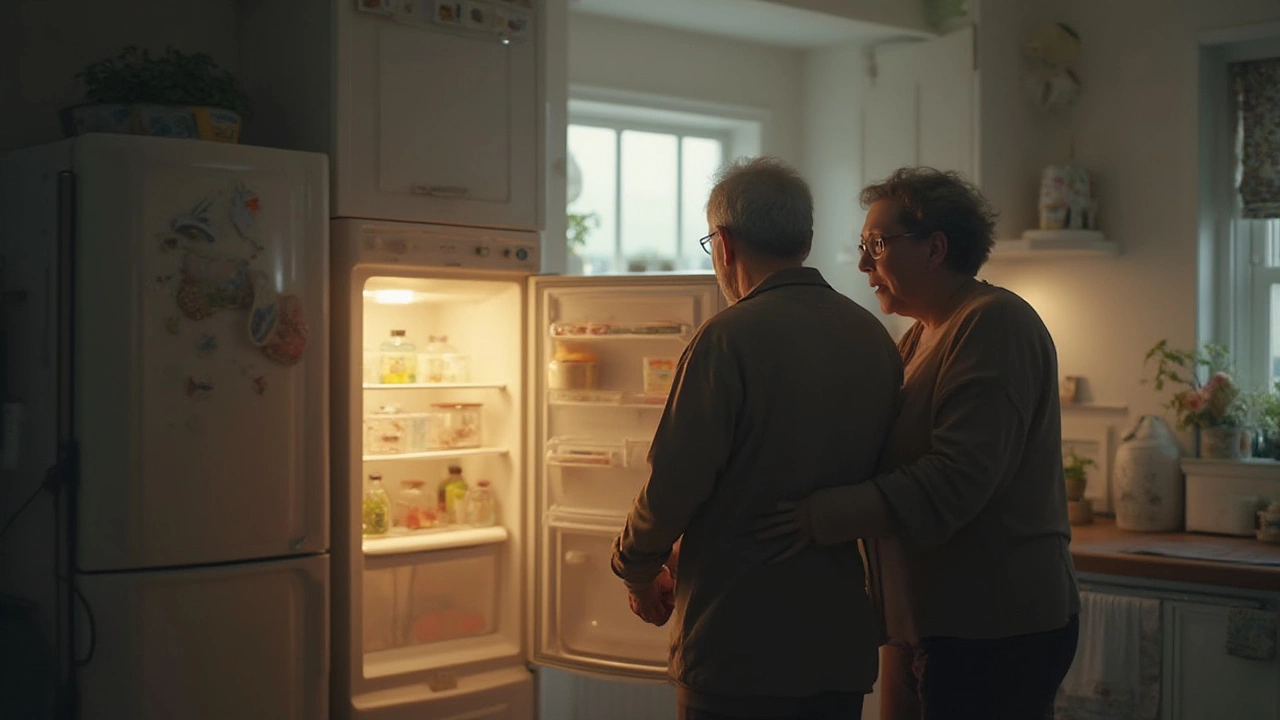
Fridge warm but the light works? Find out why your refrigerator isn’t cooling, common causes, fixes, and when to call in an expert. Easy troubleshooting tips inside.
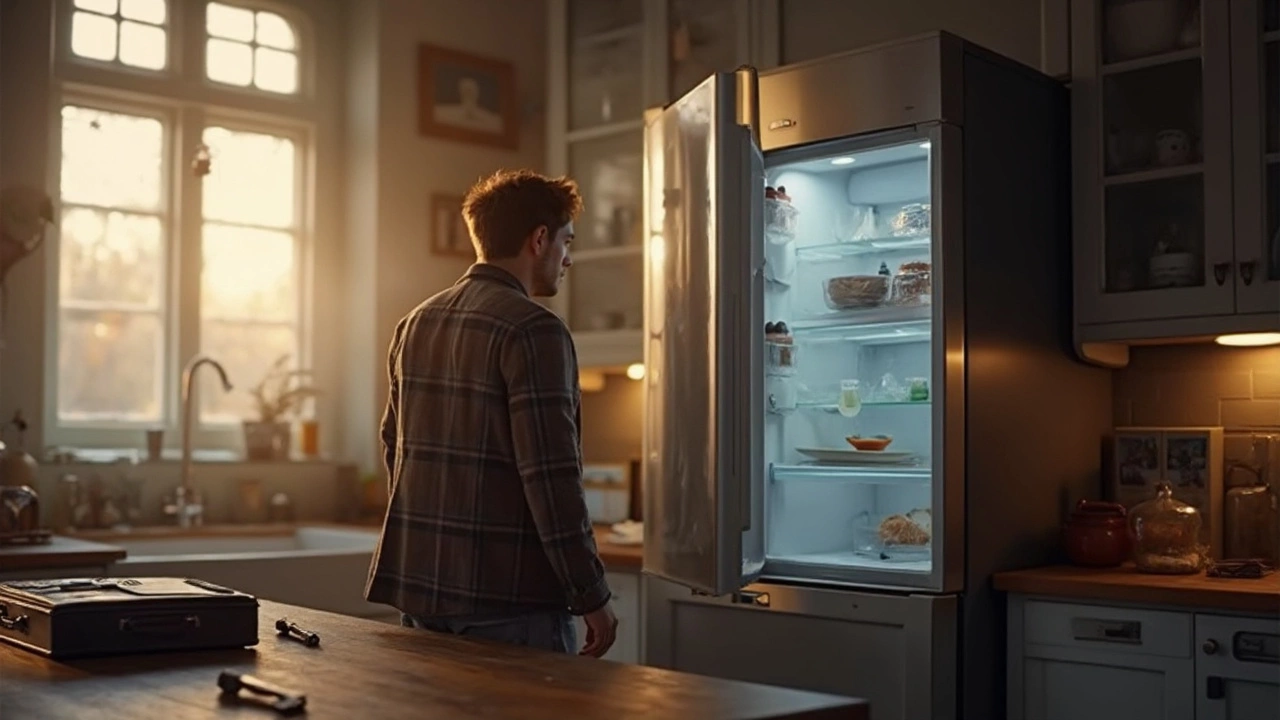
If your freezer isn't doing its one job—keeping things cold—you're in a pickle. But before you start shopping for a new one, there are a few things you might try to get it back to work. From checking the power source to cleaning coils, fixing cooling problems can often be simple and straightforward. Let's explore some potential solutions to get your freezer chilling again.

Learn how to spot a malfunctioning heat pump, recognize warning signs early, and troubleshoot issues to keep your home comfortable and energy bills in check.

Repairing a gas oven might seem daunting, but it's often worth the effort. This article explores when it's practical to repair versus replace, common issues, and cost-effective solutions. Learn helpful tips, find out if it’s a DIY fix, and consider important safety aspects. Discover how to make an informed decision that saves money and hassle.

Choosing a cooker that stands the test of time can be daunting amid a sea of brands promising longevity. This article delves into which brands have stood out for their durability and reliability. By exploring user experiences and industry insights, it aims to guide you in the right direction. Discover how some brands maintain their reputation for endurance and what to consider when selecting your next appliance.
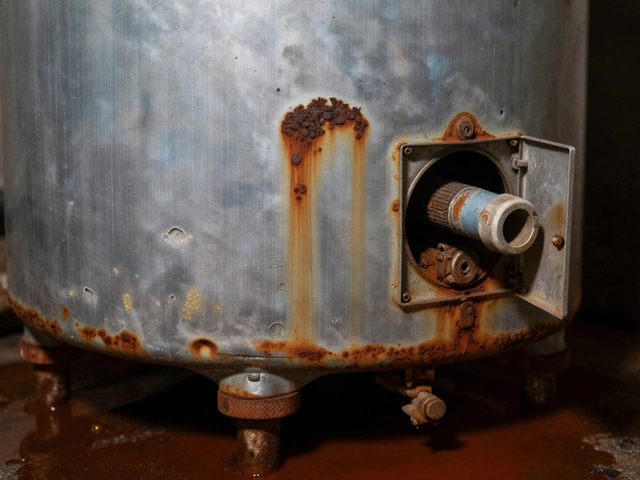
Water heaters commonly fail due to heating element burnout, thermostat issues, corrosion, and sediment buildup. Learn the top causes and how to spot them early to avoid costly repairs or sudden breakdowns.
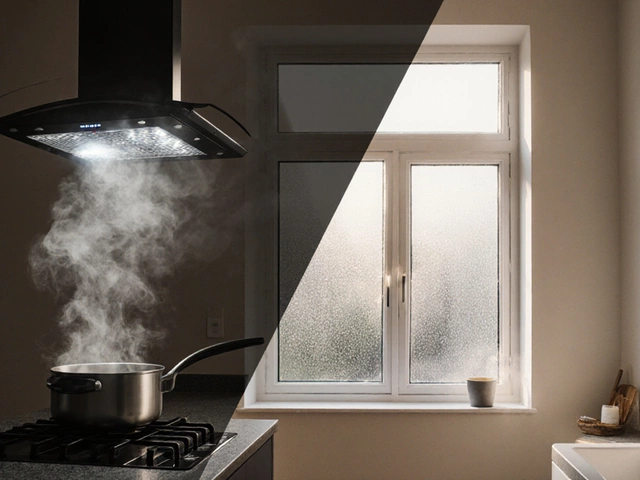
Explore whether you can live without an extractor fan, covering UK regulations, health risks, passive ventilation tricks, dehumidifier use, and when a mechanical fan becomes essential.