

If your cooker’s acting up, you’re probably wondering whether a simple tweak will sort it or if it’s time to ring a repair service. The good news? Many issues are easy to spot and fix yourself. The bad news? Some faults need a qualified tech to keep you safe.
First up, let’s look at the typical culprits. A burner that won’t light, an oven that stays cold, strange smells, or uneven heating are all signs something’s wrong. Burner ignition failures often stem from a blocked spark electrode or a dead igniter. Oven heating problems usually point to a faulty heating element, a tripped thermal fuse, or a broken temperature sensor.
Another frequent gripe is a clicking noise without flame – that usually means the safety valve is stuck or the gas supply is inconsistent. If you notice a lingering gas smell, shut the valve off immediately and call a professional. It’s not worth taking chances with gas.
Before you grab the phone, try these quick checks. 1. Power reset: Turn off the cooker at the mains for a minute, then switch it back on. Many electronic control boards reset themselves and start working again. 2. Clean the burners: Food debris can block the gas ports. Remove the burner caps, soak them in warm, soapy water, and use a soft brush to clear any residue.
3. Inspect the igniter: For electric ovens, a glowing orange coil means it’s working. If it’s dark, replace it – it’s a cheap part and easy to swap. 4. Test the heating element: With the oven off, remove the element and look for visible cracks or breaks. A multimeter set to continuity can confirm if the element is dead.
If any of these steps feel beyond your comfort zone, or if the cooker still won’t heat, it’s time to call Bognor Regis Appliance Repair Experts. Our technicians know the ins and outs of both gas and electric cookers, can troubleshoot hidden faults, and will get your kitchen back in shape fast.
Remember, safety comes first. Never attempt repairs on gas connections unless you’re fully confident – a small mistake can turn dangerous quickly. For electrical issues, always disconnect the power before opening panels.
Keeping your cooker tidy and doing a quick visual check each month can stop many problems before they start. Wipe spills right away, avoid putting heavy pots on glass tops, and make sure the ventilation works – a build‑up of grease can cause overheating and trigger safety shut‑offs.
When in doubt, give us a shout. A quick call can save you from a costly replacement and keep cooking nights stress‑free.

Pressure cookers can usually be repaired, and fixing them at home can save both time and money. This article covers how to spot common problems, which parts can be replaced, and when to leave repair jobs to the pros. You'll also find smart tips to keep your pressure cooker running safely. Even if you're not a 'handy' person, a lot of repairs are easier than you’d think. Don't toss out that pressure cooker until you know what can actually be fixed.
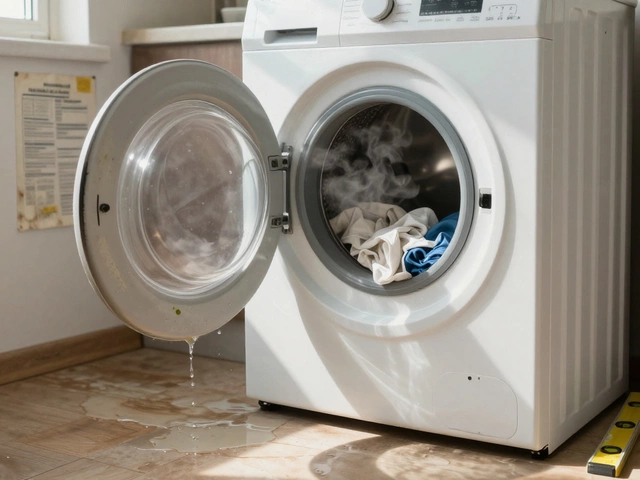
Most washing machines last 8-12 years, but signs like loud noises, leaks, or error codes mean it's time to consider repair or replacement. Learn how to extend its life and when it's better to buy new.
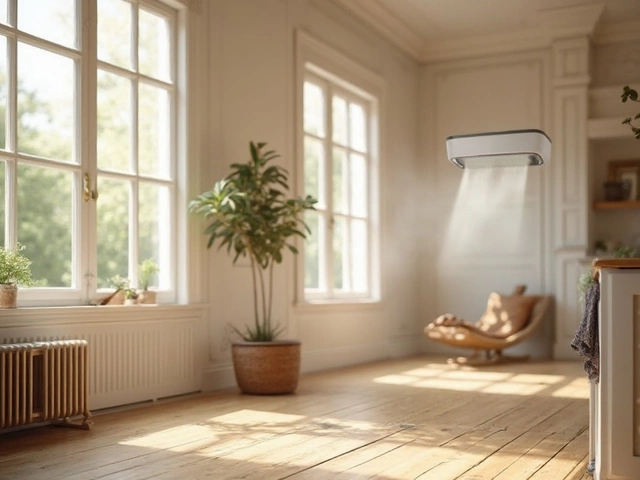
Trying to figure out if you need a ventilation fan or an extractor fan? This article breaks down the differences between the two, explains how each one works, and shares tips for choosing and maintaining the right fan for your home. You’ll also pick up advice on recognizing issues, making easy repairs, and knowing when it's time to replace. If you’ve got problems with humidity, bad smells, or stuffy air, this guide is for you.
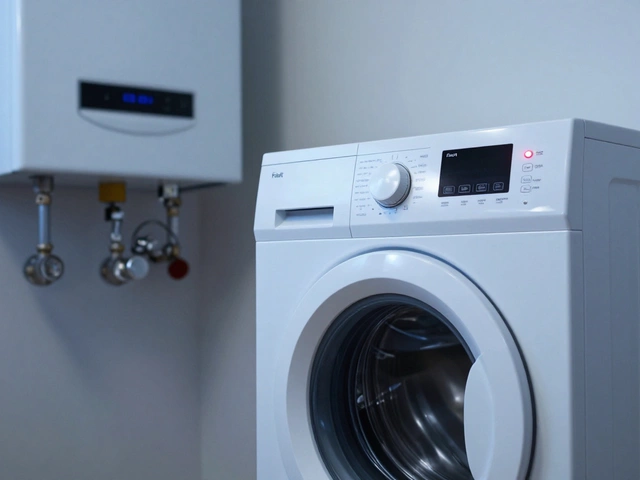
Find out if your washing machine works when the boiler is broken. Learn about cold water cycles, potential errors, and tips for UK homes.
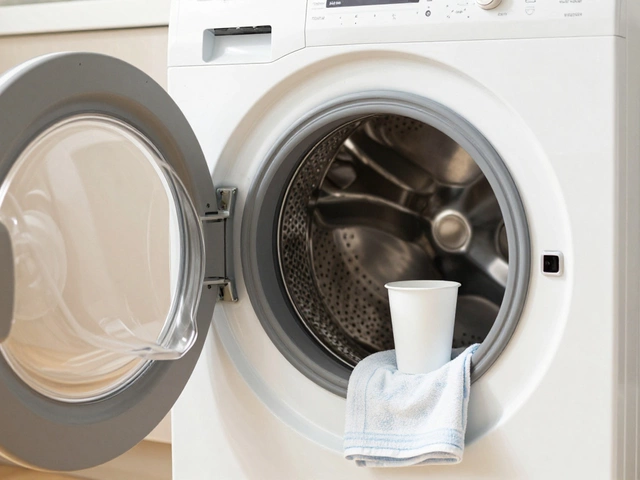
The longest average lifespan of a washing machine is 15-20 years for high-quality models with proper care. Most last 8-12 years, but maintenance, load size, and water quality make a huge difference. Learn how to extend your washer's life and when to repair vs. replace.
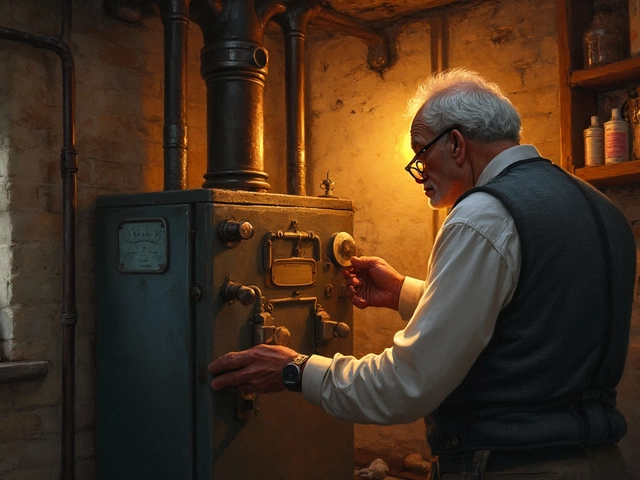
Boiler lifespan can vary greatly depending on usage, maintenance, and type. On average, boilers last anywhere from 10 to 15 years. Regular maintenance is key to prolonging the life of your boiler and ensuring it functions efficiently. In this article, discover how to keep your boiler in top shape and when it might be time to replace it.