Control Board Replacement – What You Need to Know

Every modern appliance – fridge, oven, washing machine – has a tiny computer called a control board. It tells the motor when to run, the heater when to heat, and the fan when to spin. When that board goes bad, the whole unit can act up or stop working altogether.

Common Signs of a Bad Control Board

Most people don’t realize the control board is the culprit until a few clear symptoms show up:

  • The appliance powers on but never completes a cycle.
  • Buttons or touch controls don’t respond.
  • Random error codes flash on the display.
  • Parts that usually work together, like the heater and the timer, act independently.

If you see two or more of these signs, it’s worth checking the board before ordering a new part.

DIY Replacement: Step‑by‑Step

Replacing a control board can be a straight‑forward job if you’re comfortable with basic tools. Here’s a quick walk‑through:

  1. Unplug the appliance. Safety first – even if the unit looks dead, a live wire can still shock you.
  2. Locate the board. Most boards sit behind a panel on the back or inside the door. Look for a flat, green or black circuit board with lots of wires attached.
  3. Document wiring. Snap a photo or label each plug with masking tape. One mistake and the appliance won’t work again.
  4. Remove the old board. Unscrew any mounting brackets, then gently pull the connectors off. Some pins are fragile – wiggle them, don’t pull hard.
  5. Install the new board. Align it with the mounting holes, secure it, then reconnect the wires exactly as you recorded.
  6. Test the appliance. Plug it back in and run a short cycle. If it works, re‑assemble the panel. If not, double‑check the connections.

Most control boards cost between £50 and £200, depending on the appliance. Add about £25‑£40 for a basic service call if you need a professional.

When you should call a pro:

  • You’re not comfortable handling electricity.
  • The board is inside a sealed unit, like a dishwasher, that requires special tools.
  • You keep getting error codes after a replacement – the problem might be deeper.

Professional electricians or appliance repair technicians have the right tools, warranty coverage, and the know‑how to diagnose hidden issues like a shorted power supply.

In the end, a faulty control board is a common reason appliances quit suddenly. Spotting the signs early, deciding whether you can DIY, and following a clear replacement guide can save you time and money. If you’re unsure, a quick call to a local repair service will give you peace of mind and avoid costly mistakes.
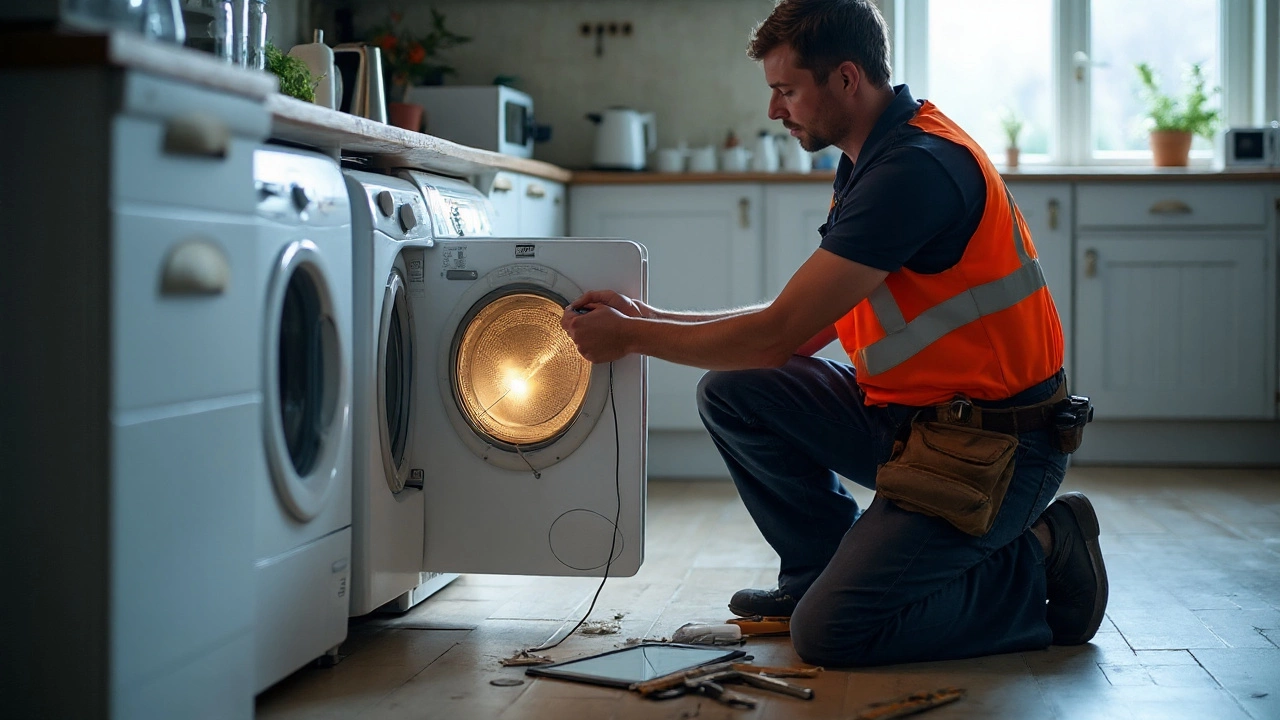
Most Expensive Washing Machine Part to Replace: Cost Breakdown, Repair vs Replace

Most Expensive Washing Machine Part to Replace: Cost Breakdown, Repair vs Replace

Front-load tub/drum assemblies and top-load transmissions are usually the priciest washer repairs. See real costs, how to diagnose, and when to fix or replace.

Recent Posts

Can a Plumber Fix a Boiler? What You Need to Know
Nov, 20 2025
Can a Plumber Fix a Boiler? What You Need to Know

Not all plumbers can fix boilers-only Gas Safe registered engineers can legally work on gas systems. Learn when to call a plumber vs. a heating engineer, how to verify qualifications, and what to expect from a boiler service.

Water Heater Only Giving Cold Water? Here’s Why (And What You Can Do About It)
Apr, 27 2025
Water Heater Only Giving Cold Water? Here’s Why (And What You Can Do About It)

When your water heater only puts out cold water, it’s more than just annoying—it can point to real problems inside the unit. This article breaks down the most common reasons behind a water heater that refuses to warm up, from tripped breakers to busted heating elements. You’ll find tips on quick checks you can do at home before calling a pro, plus some unexpected facts about how water heaters really work. Knowing what’s wrong can save you from a frigid morning shower and a giant repair bill. Get ready to tackle that cold water problem with practical advice you can use right away.

Is Repairing a Decade-Old Electric Oven Worth It? An In-Depth Look
Nov, 16 2024
Is Repairing a Decade-Old Electric Oven Worth It? An In-Depth Look

Navigating the decision between repairing or replacing a 10-year-old stove can be challenging. This article explores various factors including repair costs, the longevity of appliances, and energy efficiency to help homeowners make an informed decision. Additionally, it provides tips and insights on evaluating stove performance and when professional help is warranted. Readers will gain a comprehensive understanding of the practical steps they can take if they find themselves in a similar situation.

Flush or Drain Your Water Heater: What's Actually Best?
Apr, 19 2025
Flush or Drain Your Water Heater: What's Actually Best?

Wondering if you should flush or just drain your water heater? This article breaks down the difference, when each method makes sense, and what actually helps your water heater last longer. You'll find practical advice, simple tips, and a few things even pros forget. Discover the truth about tank cleaning—without the jargon or confusion. Your next maintenance day just got a lot less stressful.

Is a 10-Year-Old Laptop Worth Keeping? Insights and Tips
Feb, 16 2025
Is a 10-Year-Old Laptop Worth Keeping? Insights and Tips

Wondering if that decade-old laptop should stick around or be kicked to the curb? This article dives into the practicality, challenges, and potential of keeping a 10-year-old laptop. With tips on upgrading components, performance tweaks, and sustainability, you'll discover whether holding on to an old device is a wise choice. Including pros and cons, this guide offers straightforward advice for the tech-savvy and beginners alike. Explore the balance between nostalgia and functionality in the ever-evolving world of technology.