

Microwaves are the kitchen workhorse that we all rely on for quick meals. When they start acting up, it feels like the whole day stalls. Luckily most hiccups have easy fixes you can try before you dial a repair service.
The most frustrating sign is a cold dish after a full minute of cooking. The first thing to check is the door latch. If the door isn’t sealed properly, the safety interlock stops the magnetron – the part that creates heat. Open and close the door a few times, making sure nothing blocks the seal.
If the door is fine, look at the power cord and plug. A loose connection can cut power to the magnetron. Unplug the unit, wiggle the plug gently, and reseat it. If the microwave still stays cool, the magnetron may be burnt out. Replacing a magnetron is a job for a qualified technician because it involves high voltage components.
A low hum is normal; it’s the magnetron humming while it works. But a loud, grinding buzz usually points to a faulty turntable motor or a loose waveguide cover. Pull the turntable out, inspect the roller guide for debris, and give the motor a gentle spin. If it feels gritty or sticks, the motor might need cleaning or replacement.
Another common source of noise is the fan that cools the magnetron. Dust buildup can make it sound rough. Unplug the microwave, remove the outer cover (usually a few screws), and clean the fan blades with a dry cloth. Reassemble and test – the buzz should calm down.
If food isn’t rotating, the microwave may still heat, but unevenly. First, make sure the turntable is seated correctly on the roller ring. Sometimes the ring slips off during cleaning. Realign it and press down gently until you hear a click.
If it’s still stuck, the turntable motor could be dead. You can test it by running the microwave for a few seconds with the turntable removed – if you hear the motor trying to run, it’s likely the motor’s gears are stripped and need replacement.
Seeing sparks inside the cavity is a clear warning sign. Remove any metal trays, foil, or containers with metal trim. Even a stray piece of aluminum foil can cause arcing. If the interior looks clean but sparks persist, the waveguide cover (a thin mica or plastic sheet) might be dirty or cracked. Clean it with a soft damp cloth; if it’s cracked, replace it.
Another culprit is a failing high‑voltage diode. This component redirects power from the transformer to the magnetron and can create arcing when it’s bad. Testing or swapping the diode is best left to a professional.
Modern microwaves show cryptic error codes when something’s wrong. Most manuals list what each code means, and a quick reset often clears it – unplug the unit for a minute, then plug it back in. If the code returns, note it and call a repair service with the exact message; it speeds up diagnosis.
Remember, safety comes first. Always unplug the microwave before opening any panels, and never attempt to replace the magnetron or high‑voltage capacitor on your own. Those parts store lethal charges even when unplugged.
Most everyday hiccups – door latch issues, a noisy fan, or a stuck turntable – are quick DIY fixes. When you’ve ruled those out and the problem involves the magnetron, high‑voltage diode, or persistent sparks, it’s time to call a qualified appliance repair expert. A professional can safely restore your microwave, saving you both time and the risk of a nasty shock.

Microwaves seem invincible until they suddenly stop working—usually right when you're hungry. This article tackles what actually breaks down most often in a microwave, from simple blown fuses to tricky magnetrons. You'll learn the telltale signs for each failure, why these things wear out, and how to figure out if it’s something you can fix yourself. Plus, there are practical tips on keeping your microwave running smoother for longer. Perfect for anyone tired of cold leftovers and expensive repair bills.

Discover what makes some refrigerator repairs more costly than others. From compressor issues to electronic faults, fixing these problems can hit your wallet hard. We'll uncover why some are pricier than others and offer tips on how to avoid them. Learn about preventive measures to save you money in the long run. This guide is a must-read for every fridge owner looking to keep repair costs at bay.

Wondering if you should throw out your seven-year-old oven or give it a second chance? This article breaks down when it makes sense to fix an older oven, what problems are easy or tough to repair, and how much money you might actually save. Get straight answers on costs, lifespan, and smart ways to keep your oven running. No fluff—just helpful facts and real advice you can use.
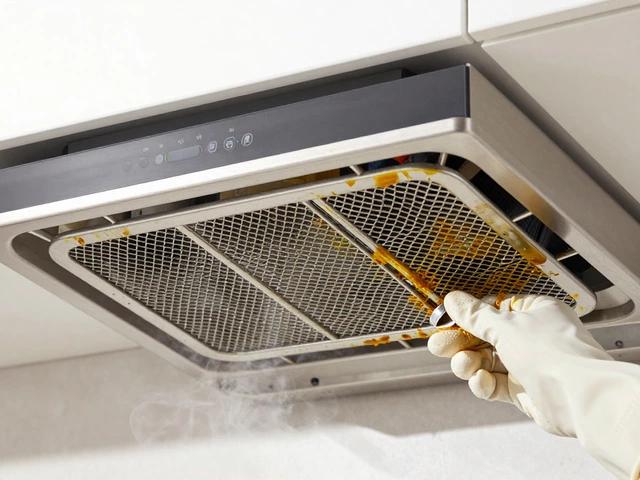
Learn how to troubleshoot a broken extractor fan step-by-step. From cleaning filters to testing capacitors, this guide helps you fix common issues like weak suction, humming noises, and complete failure safely.
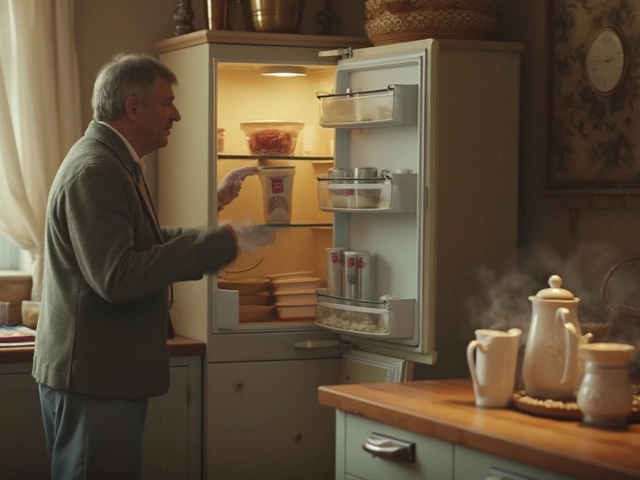
If you've ever found yourself wondering whether your freezer is on the fritz, you're not alone. Identifying the warning signs of a broken freezer is crucial in preventing food spoilage and costly repairs. This article delves into the common symptoms of a faulty freezer, how to troubleshoot these issues, and when to call a professional for help. Equipped with practical tips and insights, you'll be better prepared to ensure your frozen goods remain safe and your appliance functions efficiently.
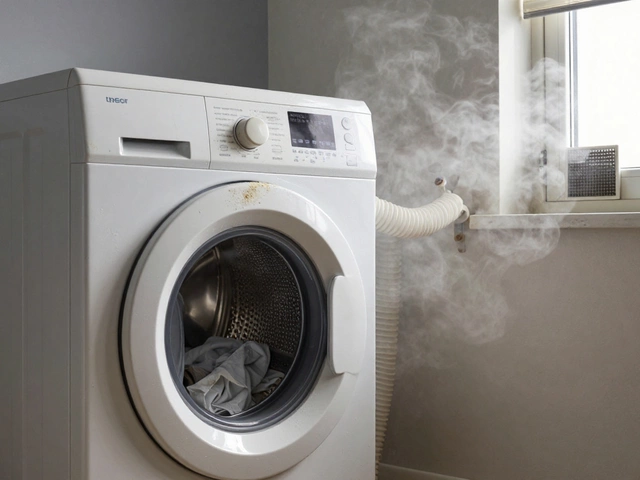
Most tumble dryers last 8-13 years, but poor maintenance can cut that in half. Learn the signs your dryer is failing, when to repair vs replace, and how to make it last longer.