

Notice your fridge getting warm or making weird noises? You’re not alone. A lot of households face the same problems, and most of them can be sorted without calling a technician. Below are the most common fridge issues, why they happen, and what you can do right now.
The first sign something’s wrong is when the temperature feels higher than usual. Here are the top culprits:
1. Thermostat set too high. It sounds simple, but many people forget to check the dial after a power cut. Turn it down a few degrees and give the fridge an hour to stabilize.
2. Dirty condenser coils. Coils sit either behind the fridge or underneath. Dust builds up and blocks airflow, making the compressor work harder. Unplug the unit, pull the coil cover, and vacuum or brush away the grime.
3. Bad door seal. If the gasket around the door is cracked or sticky, warm air sneaks in. Close the door on a dollar bill – if it slides out easily, the seal needs replacing.
4. Blocked evaporator fan. The fan circulates cold air inside. A noisy fan or ice buildup around it means the fridge can’t distribute cool air. Defrost the freezer, clear any debris, and watch the fan spin freely.
5. Low refrigerant. This is a job for a professional. If you’ve tried the steps above and the fridge still runs hot, the coolant may be leaking.
Cooling isn’t the only thing that can go wrong. Keep an eye out for these issues:
Water leakage. A puddle under the fridge usually means the drain tube is clogged. Locate the tube at the back, clear it with a pipe cleaner, and wipe away any standing water.
Frost build‑up. When ice forms in the freezer, it blocks airflow. Turn the fridge off, let it fully defrost, clean the interior, and make sure the door closes tightly.
Strange smells. Spoiled food is the usual suspect, but a sour smell can also come from a dirty drip pan. Pull out the pan (usually at the bottom), wash it with warm, soapy water, and dry before putting it back.
Constant running. If the compressor never shuts off, the fridge may be working overtime due to a faulty start relay or temperature sensor. You can test the relay with a multimeter, but most people prefer to call a repair tech for safety.
Noise issues. Rattling or humming can be caused by an unbalanced fridge, loose foot‑pads, or a failing compressor. Level the fridge with a spirit level and tighten any screws. If the noise persists, the compressor could be the problem.
Most fridge problems can be tackled with a few tools and a bit of patience. Start with the easy checks – thermostat, door seal, and coils – before moving on to fans and drains. When in doubt, or if you suspect a refrigerant leak, give a qualified repair service a call. Quick action saves energy, protects your food, and keeps your fridge humming smoothly for years to come.

Refrigerators are a crucial part of our daily lives, and when they malfunction, it can be a real headache. One of the most common repairs involves fixing the refrigerator's cooling system. Often, issues arise from problems with the condenser coils, which can become dirty or worn out over time. By understanding these common problems, homeowners can better maintain their appliances, potentially saving time and money.
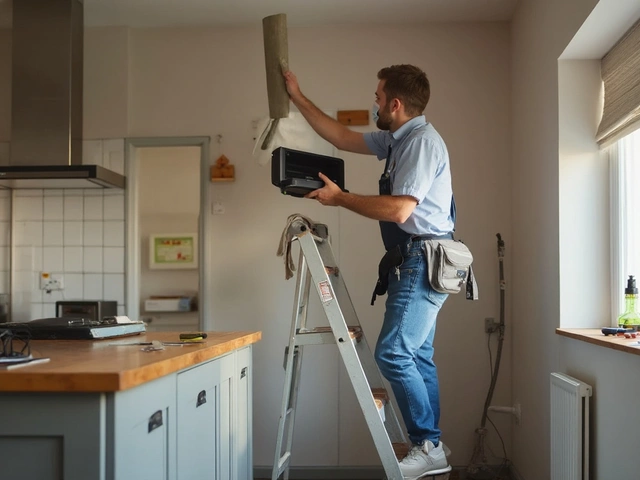
Wondering if you can swap out an extractor fan without calling in a pro? This article breaks down what it really takes to replace an extractor fan yourself, from the easy steps to watch-outs that could trip you up. Learn which tools you’ll need, how to stay safe with electricity, and where to draw the line and call an expert. Get helpful tips and facts straight from a practical perspective. Perfect for anyone ready to tackle a home repair without risking their safety or their ceiling.
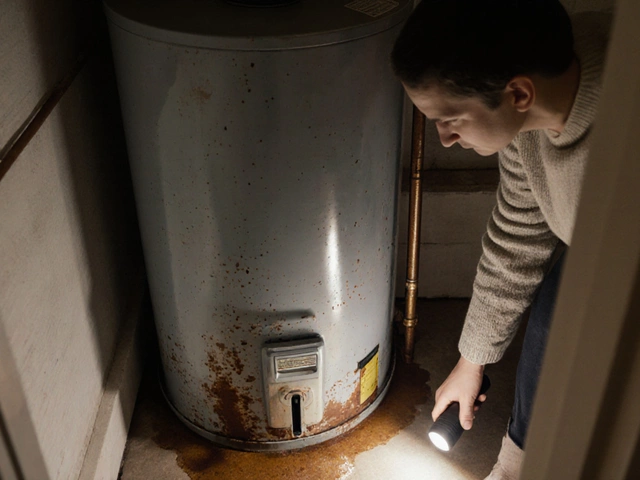
Find out if fixing a 20‑year‑old water heater makes sense. Compare repair costs, energy loss, and replacement price to decide the best move for your home.
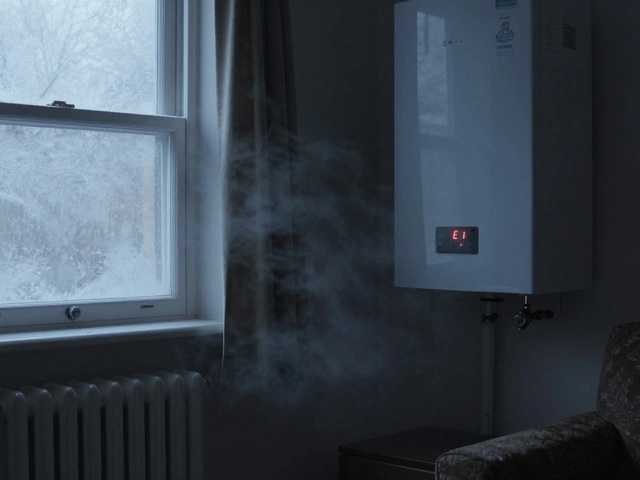
Learn the 7 clear signs your boiler is broken, from cold radiators to strange noises and gas smells. Know when to repair and when to replace before winter hits.

Wondering if you should flush or just drain your water heater? This article breaks down the difference, when each method makes sense, and what actually helps your water heater last longer. You'll find practical advice, simple tips, and a few things even pros forget. Discover the truth about tank cleaning—without the jargon or confusion. Your next maintenance day just got a lot less stressful.
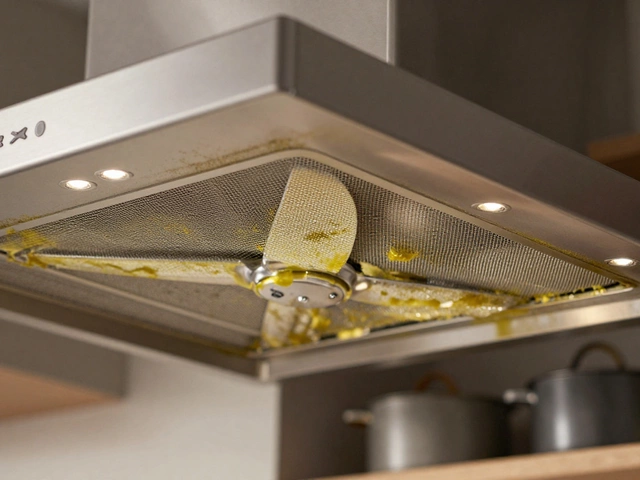
Discover if extractor fans wear out and learn their average lifespan. Identify signs of failure like noise and reduced airflow, and find out when to repair or replace your unit.