

If you live in Bognor Regis, the winter can feel like a long, damp slog. A heat pump designed for cold weather can be a game‑changer, but only if you know how it works and what to look out for. In this guide we’ll break down the basics, talk about real UK lifespans, and give you quick fixes for the most common problems.
Standard air‑source units lose efficiency once the temperature drops below 5°C. Cold‑weather models have larger compressors, better defrost cycles, and sometimes a hybrid backup that kicks in when it’s really frosty. That means you still get warm air without the electric bill shooting through the roof.
Ground‑source pumps aren’t as temperature‑sensitive because they pull heat from the earth, which stays around 10‑12°C year‑round. If you can install one, you’ll usually see a longer life and steadier performance, but the upfront cost is higher.
Heat pump not blowing warm air? First, check the thermostat setting – it’s easy to have it on “eco” or “off” by mistake. Next, look at the outdoor unit: ice build‑up is the usual culprit in cold snaps. Turn the unit off for a few minutes, let the ice melt, then restart. If the problem persists, the fan motor or refrigerant levels might need a professional’s eye.
Unusual noises? A rattling sound often means debris has gotten into the fan blade. Turn off power, remove the cover, and gently clean out leaves or twigs. A high‑pitched whine could signal a failing compressor – that’s a job for a qualified tech.
Reduced heating output? Check the air filters inside your home; clogged filters force the system to work harder. Also, make sure doors and windows are sealed – a draft will make any heat pump look weak.
For ground‑source units, look out for water leaks around the loop field. A small leak can lower efficiency and eventually damage the pump. If you spot moisture, call a specialist before it spreads.
When in doubt, use our simple “repair or replace” guide from the post “Heat Pump Lifespan in the UK”. If the unit is under 10 years and has been well maintained, a repair is usually cheaper. Older units (15+ years) often benefit more from replacement, especially if you’re moving to a newer cold‑weather model.
Regular maintenance is the secret sauce. Schedule a check‑up before the first freeze – a technician can clean coils, test refrigerant pressure, and verify the defrost timer. Doing this once a year can add 2–3 years to your pump’s life.
Finally, remember that a heat pump is just one part of a warm home. Proper insulation, sealed ducts, and a programmable thermostat work together to keep costs low. Combine these with the right pump and you’ll stay cosy even when the temperature hits single digits.
Got a specific issue that isn’t covered here? Browse our related posts like “Heat Pump Not Blowing Warm Air?” or “Heat Pump Not Cooling?” for step‑by‑step fixes. And if you ever feel stuck, a quick call to a local Bognor Regis repair expert can save you time and money.
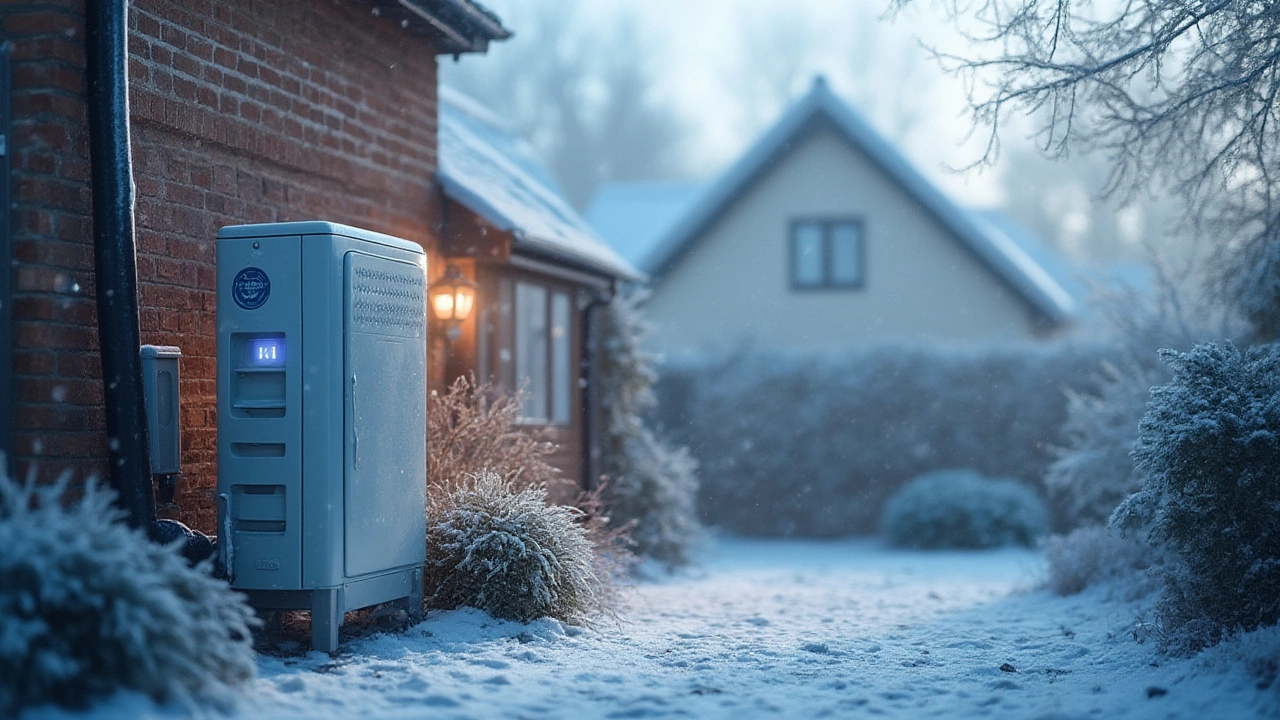
Wondering what temperature makes a heat pump stop working well? Learn the cold limits, key facts, and expert tips for running heat pumps in harsh winters.

Not sure how to keep your extractor fan running smoothly? This guide breaks down the simple steps to service an extractor fan, covering cleaning, inspecting parts, and spotting potential issues. Regular maintenance can extend the life of your fan and ensure your kitchen stays fresh and ventilated. Discover some handy tips and tricks to make this an easy task. No need to call in a professional; you can handle this yourself with a little guidance.
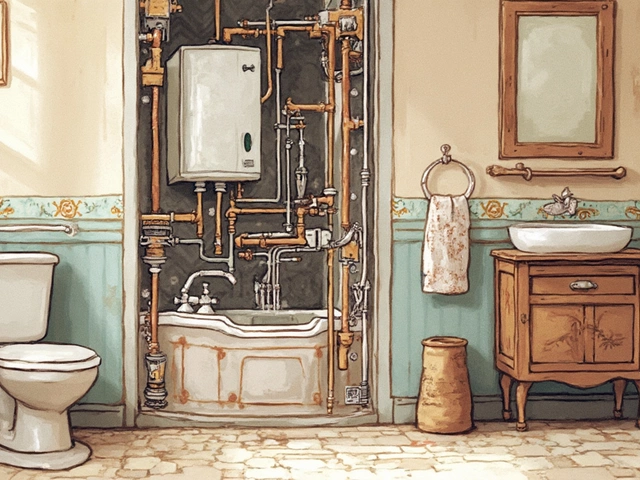
A failing water heater element can leave you in the chilly lurch just when you need a warm shower. Learn how to diagnose the problem with simple, straightforward steps. This guide covers common symptoms, testing methods, and practical tips for handling a faulty element. We'll explain what's involved and offer insights for DIY repair or knowing when to call a professional.
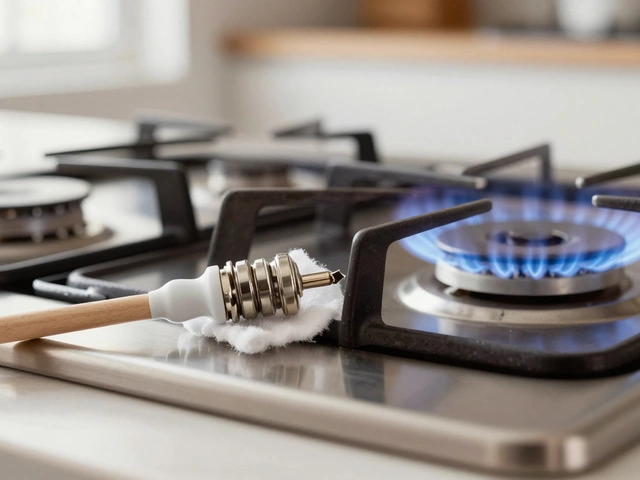
Discover if your broken hob can be fixed. Learn DIY tips for gas, electric, and induction cooktops, when to call a pro, and how to save money on repairs.
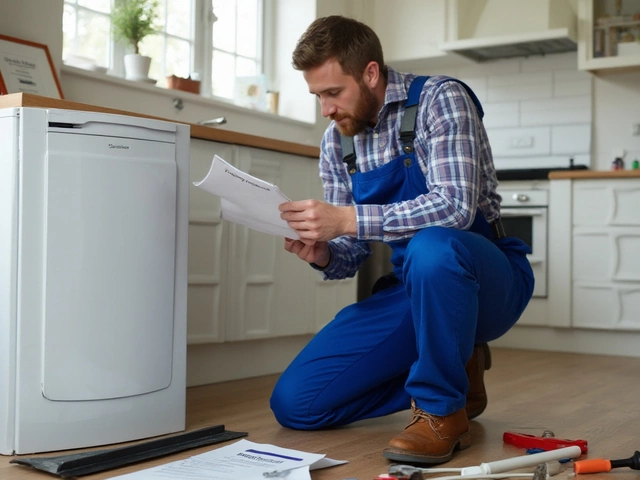
Plumbers are often the go-to professionals for a wide range of home repairs, but when it comes to boilers, it's essential to know their scope of work. This article delves into whether plumbers can actually handle boiler installations and replacements. You'll uncover what specific skills and certifications are required for boiler work, why hiring a specialized heating engineer may be recommended, and the potential risks of using underqualified technicians. Whether you're considering a new boiler or need an existing one serviced, understanding who is best suited for the task is crucial.
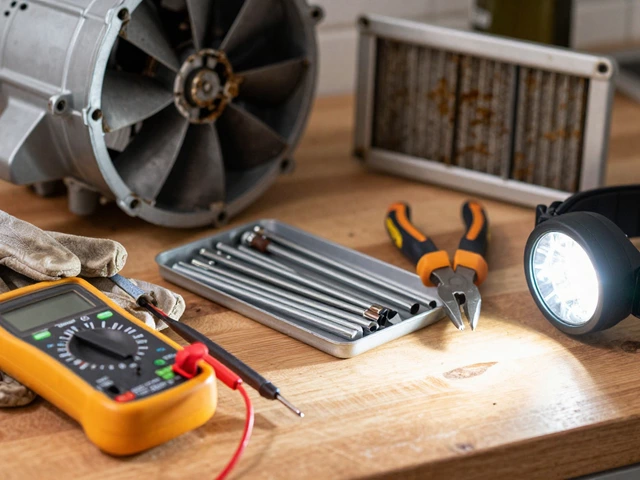
Learn how to replace a kitchen extractor fan motor safely. This step-by-step guide covers diagnosis, tool preparation, removal, and installation tips for DIY enthusiasts.