

If your fridge is warm or your freezer is making ice build‑up, you’re dealing with a cold storage issue. Most of us rely on these appliances to keep food fresh, so a hiccup feels like a disaster. The good news? Many problems have easy checks you can do yourself before you dial a repair service.
First, notice the symptoms. Is the fridge light on but the interior warm? That’s a classic sign the compressor isn’t kicking in. A freezer that’s frosting up fast usually means the door seal is leaking air. Odd noises, like a humming that stops and starts, often point to a failing fan or a clogged condenser coil.
Temperature readings help too. Pop a thermometer inside and check if it reads around 37‑40°F (3‑4°C) for the fridge and 0°F (‑18°C) for the freezer. Anything higher means something’s off. Also, check the back of the unit – if it feels hot, the condenser might be dirty or the fan could be stuck.
Start with the obvious: make sure the fridge is level and the doors close tightly. A crooked unit can cause the compressor to work harder and the door gaskets to leak.
Next, clean the condenser coils. Dust and pet hair build‑up reduces heat exchange, forcing the compressor to overheat. Pull the fridge away from the wall, unscrew the coil cover, and vacuum or brush away debris. This simple step often restores cooling performance.
Check the evaporator fan inside the freezer. If you hear a whirring sound when the freezer door is closed, the fan is working. If it’s silent, the fan motor may need replacement – a job for a qualified tech.Don’t forget the defrost timer. Older models run a regular defrost cycle; if the timer fails, ice can pile up and block airflow. A quick test is to locate the timer (usually behind a panel), turn the dial a few minutes, and listen for a click. If nothing happens, the timer may be dead.
Lastly, inspect the door gaskets. Run a finger along the seal; if you feel gaps or the gasket feels cracked, replace it. A tight seal keeps cold in and warm air out, which is essential for efficiency.
If these steps don’t solve the problem, it’s time to call a professional. Modern refrigerators use sophisticated sensors and refrigerant systems that require certified handling. Trying to fix a sealed‑system leak or a compressor issue yourself can be dangerous and may void warranties.
When you contact a repair service, mention the symptoms you observed and the DIY steps you’ve taken. Technicians appreciate the info and can arrive prepared with the right parts, saving you time and money.
Regular maintenance keeps cold storage working smoothly. Schedule a coil cleaning every six months, wipe the door gaskets with mild soap, and check the temperature settings every season. Small habits prevent big breakdowns and extend the life of your fridge and freezer.
Remember, most cold storage issues start with simple causes – dust, mis‑aligned doors, or a broken seal. By tackling these first, you’ll likely avoid costly repairs and keep your food fresh longer.

If you've ever found yourself wondering whether your freezer is on the fritz, you're not alone. Identifying the warning signs of a broken freezer is crucial in preventing food spoilage and costly repairs. This article delves into the common symptoms of a faulty freezer, how to troubleshoot these issues, and when to call a professional for help. Equipped with practical tips and insights, you'll be better prepared to ensure your frozen goods remain safe and your appliance functions efficiently.
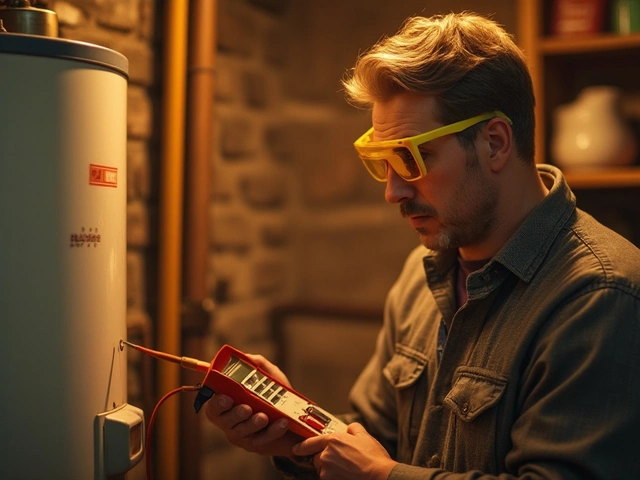
Diagnosing a faulty hot water heater element can seem daunting, but it's an essential skill for any homeowner. Key indicators like water temperature issues, noises, and prolonged heating cycles are telltale signs of a bad element. This article provides practical advice on how to inspect and test your heater element using accessible tools. Also included are safety tips and maintenance recommendations to extend the lifespan of your water heater.

Stuck with a broken extractor fan and not sure what to do next? This article gives you practical ideas for improving air flow in your kitchen or bathroom when the fan is out of action. Learn about effective ways to keep humidity, smells, and condensation under control using simple tools and habits. Discover the pros and cons of each alternative solution so you can pick what fits your place best. Skip the stress and get the facts on dealing with bad ventilation the easy way.
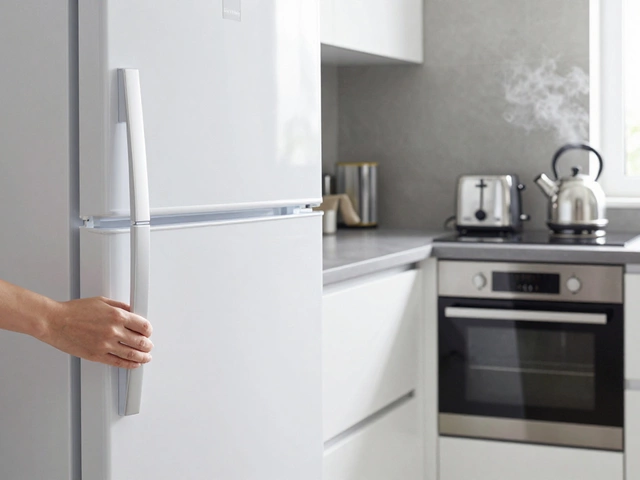
An appliance is a device designed to perform a specific household task like cooking, cleaning, or cooling. It’s not just anything that plugs in - it must replace manual labor and be used regularly at home. Understanding this helps you find the right repair service and know what’s covered under warranties.
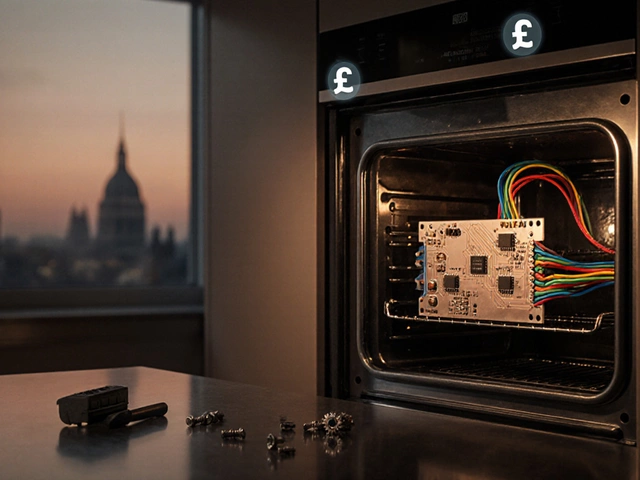
Learn the typical UK price for an oven control board, factors that affect cost, DIY steps, and when to call a professional in 2025.
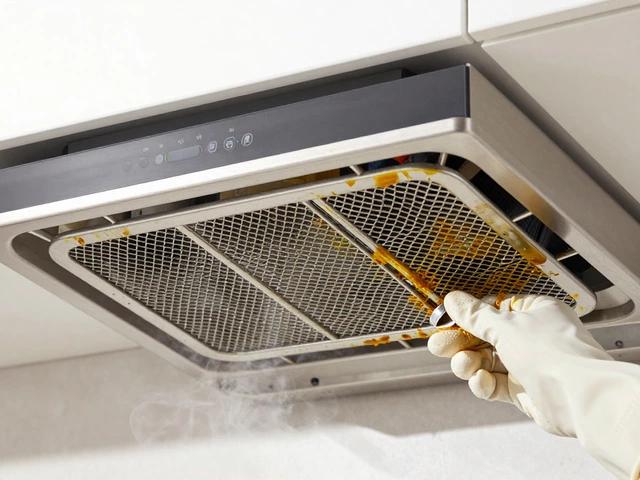
Learn how to troubleshoot a broken extractor fan step-by-step. From cleaning filters to testing capacitors, this guide helps you fix common issues like weak suction, humming noises, and complete failure safely.