

When working with building regulations, the set of legal standards that govern construction, renovation, and safety in residential and commercial properties across the UK. Also known as building codes, they shape how appliances, heating systems, and ventilation are installed to meet safety and energy‑efficiency goals. Boiler a central heating unit that must meet pressure, flue and efficiency criteria set by regulations and Gas appliance any cooker, oven or water heater that uses natural gas or LPG and is subject to Gas Safe standards are two of the most common fixtures inspected under these rules.
Heat pump an energy‑saving device that extracts heat from air or ground and must comply with insulation, sound and placement guidelines illustrates a clear link: building regulations require proper sizing, correct mounting height and efficient ducting to avoid hidden moisture problems. Likewise, Extractor fan a ventilation unit that removes moisture and pollutants from kitchens or bathrooms and must meet air‑flow standards must be installed with adequate duct length and fire‑rated sleeves. These examples show how regulations influence everyday appliances, ensuring they operate safely and don’t compromise the building’s structure.
From a practical standpoint, every new installation or major repair triggers a checklist. First, confirm the appliance’s CE marking or Gas Safe certificate, then verify that the connection points (plumbing, electrical, gas) meet the latest Part G (gas) or Part L (conservation of fuel and power) requirements. For a boiler, this means checking the pressure‑vessel certification, flue size, and condensing efficiency. For a heat pump, you’ll need to assess the refrigerant charge, outdoor unit clearance, and whether a building’s thermal envelope satisfies Part L3. Skipping these steps can lead to costly re‑work or, worse, safety hazards.
Homeowners often wonder whether they can DIY a fix without breaching regulations. The rule of thumb is simple: if the job involves gas, electrical wiring, or structural changes, a qualified professional with the appropriate registration must sign off. This applies to replacing an oven igniter, fitting a new extractor fan, or swapping a faulty boiler valve. Even seemingly minor tasks like resetting a water heater’s high‑limit switch fall under Part G if the heater is gas‑fed, because an improper reset can cause carbon monoxide buildup.
The collection of articles below reflects the most common scenarios where building regulations intersect with everyday repairs. You’ll find cost guides for boiler and heat‑pump fixes, step‑by‑step DIY tutorials for extractor fans and oven igniters, and safety checklists for gas appliances. All of them are written with the regulations in mind, so you can decide whether a simple fix is enough or whether you need a certified engineer to keep your home compliant and safe.
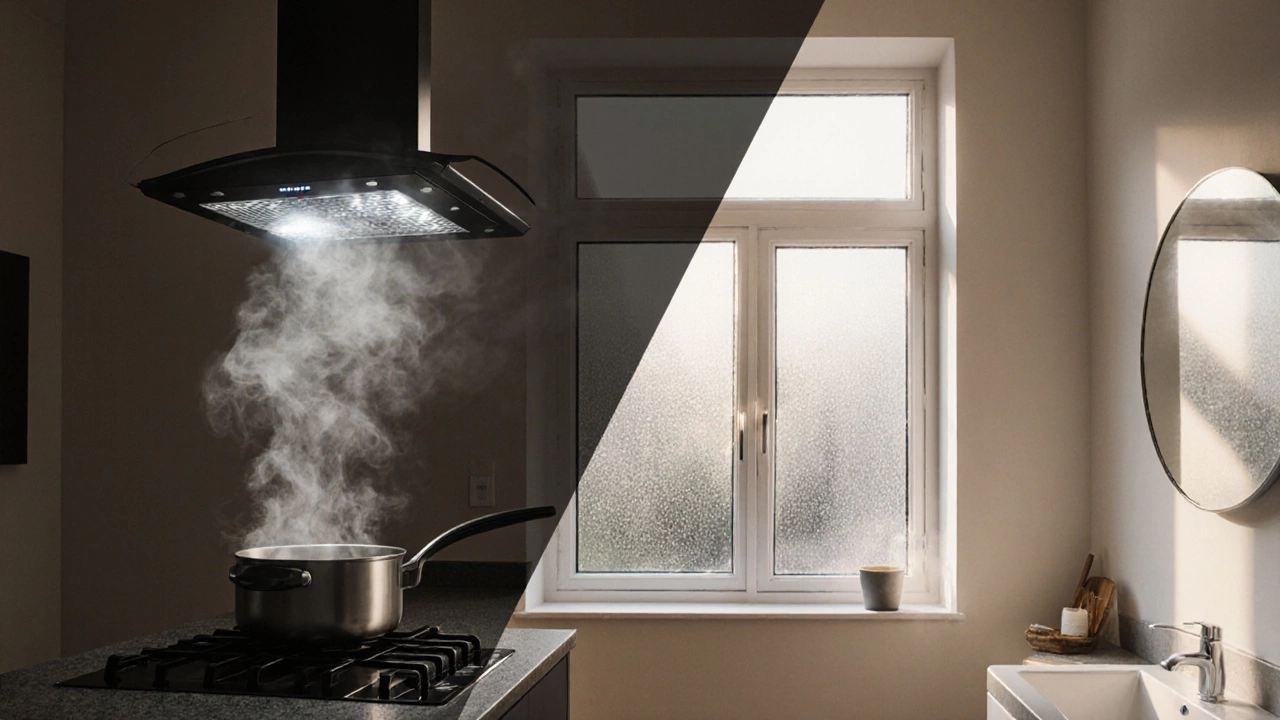
Explore whether you can live without an extractor fan, covering UK regulations, health risks, passive ventilation tricks, dehumidifier use, and when a mechanical fan becomes essential.
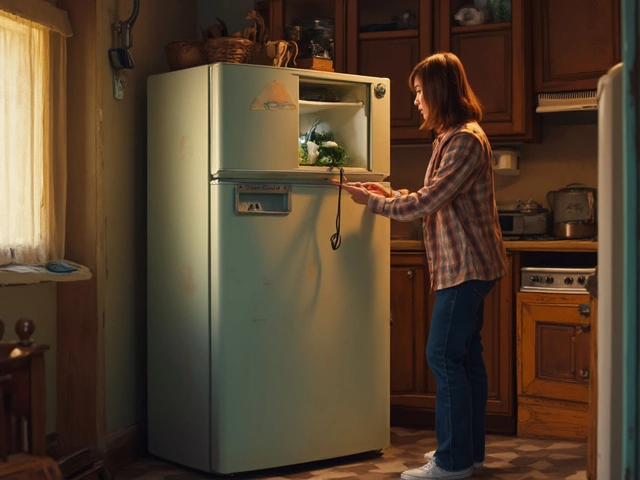
When your refrigerator suddenly stops working, it can cause quite a panic. But before calling in the repair services, there's one crucial thing you should check first: the power source. This step is often overlooked but can save you both time and money. Reliability and efficiency in troubleshooting can help bring your fridge back to life or at least determine the next best steps.

Discover how much boiler service costs in 2025, what affects the price, what's included, and tips to save money while keeping your heating safe and reliable.
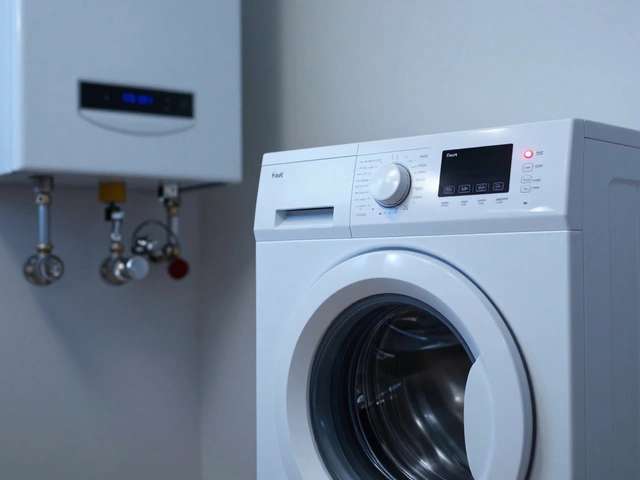
Find out if your washing machine works when the boiler is broken. Learn about cold water cycles, potential errors, and tips for UK homes.

Ever wonder if switching your boiler on and off harms it? This article unpacks how boilers handle frequent power cycles, what really wears them out, and when switching off could save you cash or cause problems. Find out the best ways to run your boiler for both safety and savings. Practical tips and real facts—all in plain English. Avoid costly repairs by knowing how to treat your boiler right.
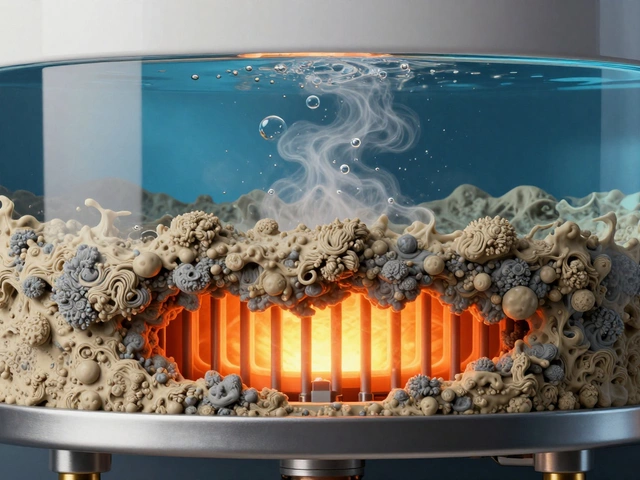
Discover the most common hot water heater problems, including sediment buildup, pilot light failures, and leaks. Learn how to diagnose issues, perform maintenance, and extend your unit's lifespan.