

If your hob suddenly stops heating, you’re probably wondering what went wrong and if you can sort it yourself. The good news is most electric hobs fail because of a single faulty part, and fixing it is often cheaper and quicker than calling a repair service.
First, pinpoint the symptom. Does the whole hob stay cold, or just one burner? A completely dead hob usually points to a tripped breaker, a loose power cord, or a blown fuse. Check your circuit box and reset any tripped switches. If only a single zone is dead, the culprit is most likely a broken heating element or a faulty burner control.
Other frequent issues include:
These problems are usually easy to diagnose with a multimeter. If the element shows no continuity, it’s time for a replacement.
Before you start, gather a screwdriver, a replacement element that matches your model, and a pair of insulated gloves. Safety first – unplug the hob or switch off the circuit at the main board.
1. Remove the burner plate. Most plates lift off with a gentle pull. Some may have clips; release them carefully. 2. Unscrew the element. Use the screwdriver to loosen the mounting screws. Keep them in a small dish so they don’t get lost. 3. Disconnect the wiring. The element will have a two‑pin connector. Press the release tab and pull the plug straight out. 4. Swap in the new element. Align the holes, tighten the screws, and plug the connector back in. 5. Reassemble. Put the burner plate back, making sure it sits flush. 6. Test it. Turn the power back on and fire up the burner. You should feel heat within a minute.
If the new element still won’t heat, the problem may lie in the control board or a hidden wiring fault. At that point, calling a qualified appliance repair service is the safest move.
Even when you’re comfortable with DIY, remember that electric hobs involve live circuits. If you ever feel unsure, stop and call a professional. A quick call can save you from a costly mistake and keep your home safe.
Regular maintenance helps prevent breakdowns. Wipe away spills promptly, avoid dragging heavy pots across the glass surface, and give the hob a quick visual check for cracked caps or loose screws every few months.
When you’re faced with a broken hob, start with the simple checks, try a quick element swap if needed, and don’t hesitate to reach out for expert help if the fix isn’t obvious. With the right approach, you’ll be back to cooking in no time.

Cracks in electric hobs can show up suddenly and cause real headaches in the kitchen. This article looks at why electric hobs crack, from common mistakes to sneaky issues with installation. You'll get practical tips on how to prevent damage and handle minor cracks. Find out when you can fix a hob yourself and when it's smarter to call for professional help. Stay ahead of costly repairs and keep your cooking space safe.
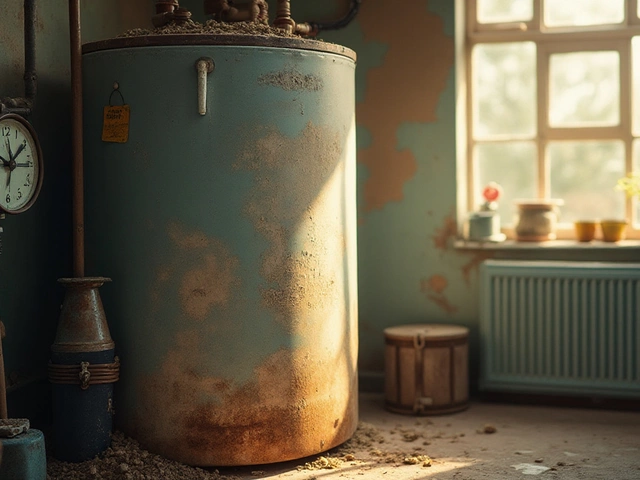
Neglecting to flush your water heater can lead to a host of issues, from inefficiency to full-blown malfunctions. Sediment buildup can decrease heating efficiency and even cause damage over time. This article explores what happens if you never flush your water heater, why regular maintenance is crucial, and how you can perform these tasks. Dive into practical advice and tips for maintaining a healthy water heating system.
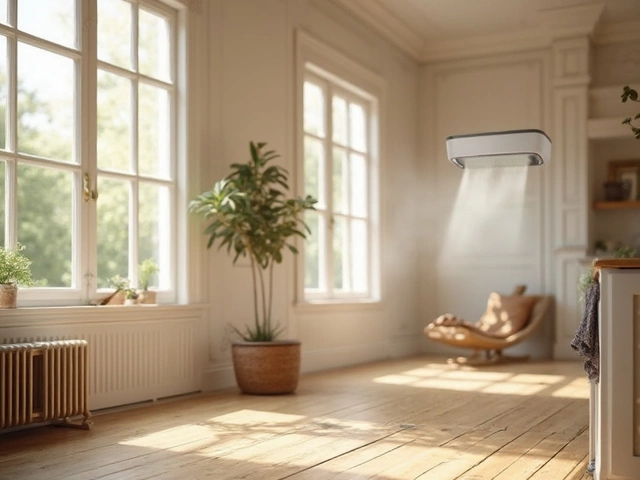
Trying to figure out if you need a ventilation fan or an extractor fan? This article breaks down the differences between the two, explains how each one works, and shares tips for choosing and maintaining the right fan for your home. You’ll also pick up advice on recognizing issues, making easy repairs, and knowing when it's time to replace. If you’ve got problems with humidity, bad smells, or stuffy air, this guide is for you.
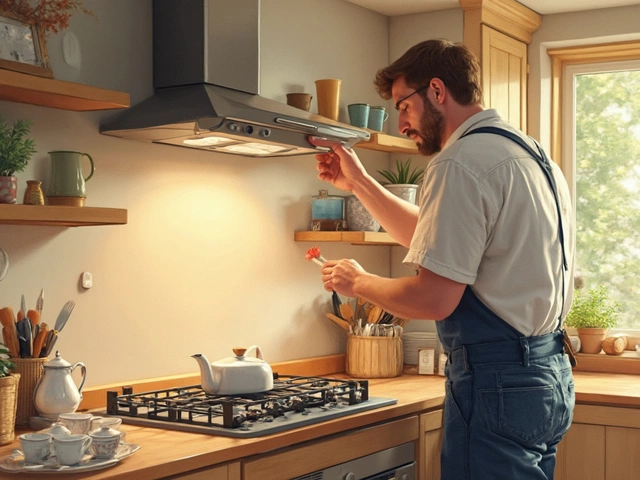
Keeping your home well-ventilated is essential, and extractor fans play a crucial role in maintaining air quality. Whether you're installing a new fan or repairing an old one, it's important to know who to call. Professional electricians and specialized ventilation technicians are the go-to experts. They ensure fans are properly installed and functioning efficiently, saving you from potential hassles down the road.

If your cooker suddenly stopped working, it might be due to a range of reasons from electrical issues to simple user errors. Understanding the root cause is key to fixing the problem efficiently. In this article, we explore common reasons why cookers fail and offer practical troubleshooting tips to get your appliance working again. From checking the power supply to examining electrical components, we cover it all. Get your cooker back up and running with our straightforward guide.
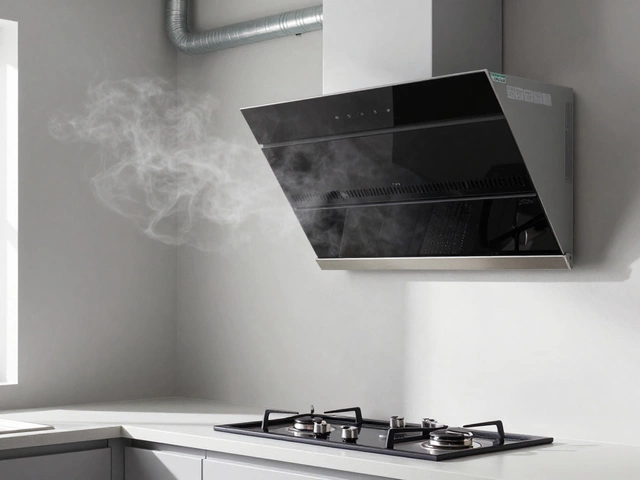
In the UK, you legally need an extractor fan in your kitchen if you have a gas hob or have done major renovations since 2006. Learn what the regulations require and why skipping it could cost you more than installing one.