

When the cold hits, the last thing you want is a boiler that quits on you. A few simple habits can keep your system humming and save you money. Below are the most useful checks and actions you can do yourself before you pick up the phone.
Listen for strange noises – rattling, knocking or whistling often means air in the system or a loose part. If you notice a sudden drop in water pressure (below 1 bar), top it up using the filling loop and watch for leaks around radiators and pipe joints. A yellow or orange flame instead of a steady blue one signals incomplete combustion; that’s a safety red flag.
Check the pressure gauge and temperature settings every month. Keeping the pressure between 1 and 1.5 bar when the system is cold ensures the pump works correctly. Also, wipe the outside of the boiler clean so dust doesn’t block the heat‑exchanger fins.
Don’t ignore the boiler’s error codes. Modern units display a blinking light or a code on the screen. Look it up in the manual – many messages are just reminders to reset the system after a power cut.
If you find corrosion on the pipework, a leaking central heating tank, or the boiler refuses to fire up after a reset, it’s time to call a qualified engineer. Attempting to fix gas‑related issues yourself is dangerous and illegal without the right certifications.
Annual servicing is the golden rule. A Gas Safe registered engineer will clean the burner, test the safety valve and verify that emissions are within limits. The average cost in 2025 hovers around £80‑£120, but a well‑maintained boiler can last 15 years or more, making that spend a smart investment.
When you’re faced with a decision between repair and replacement, weigh the age of the boiler, the repair cost, and the energy‑efficiency rating. If the unit is older than 12‑15 years and the repair exceeds £300, replacement often saves money in the long run thanks to newer, higher‑efficiency models.
Finally, keep a simple log of service dates, pressure readings, and any unusual noises. This record helps the engineer diagnose issues faster and gives you proof of regular maintenance – a plus if you ever sell the house.
By doing these quick checks, staying on top of annual servicing, and knowing when a pro is needed, you’ll keep your boiler running safely and efficiently all winter long.

Wondering how long it takes to swap out an old boiler for a new one? This article spells out exactly how much time you’ll need, what really affects the timeline, and offers practical tips to speed things up. Get the full breakdown, including what you can do before installation day and how to avoid surprises. If you want your heat and hot water back fast, this guide is for you. Find out what to expect from your boiler replacement and how to stay one step ahead.

Frustrated by cold water instead of a hot shower? This guide breaks down the most common reasons your hot water is running cold, with simple fixes anyone can try at home.

Is your heat pump running but not cooling your home? Learn the real causes, expert troubleshooting tips, and practical solutions to get your comfort back.
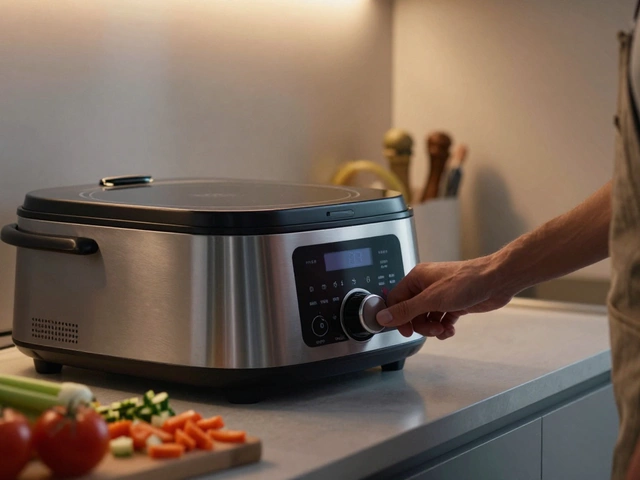
Learn how to tell if your cooker is broken by checking power, error codes, and symptoms like uneven heating or gas smells. Get practical tips for DIY fixes and know when to call a professional.

Refrigerators are a crucial part of our daily lives, and when they malfunction, it can be a real headache. One of the most common repairs involves fixing the refrigerator's cooling system. Often, issues arise from problems with the condenser coils, which can become dirty or worn out over time. By understanding these common problems, homeowners can better maintain their appliances, potentially saving time and money.
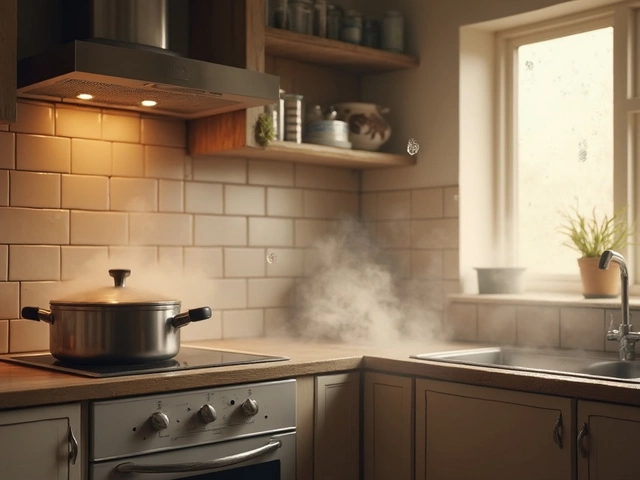
Not using an extractor fan can lead to unexpected issues in your kitchen or bathroom. From accumulating moisture and odors to potential damage over time, extractor fans play a crucial role in home maintenance. This article explores why these devices are essential, the problems that arise from neglecting them, and practical tips on proper care and repair.