

If your radiators are cold or you hear strange noises, your boiler has probably decided to take a break. A boiler breakdown can feel like a disaster, especially when the weather turns chilly. The good news is that many common problems have easy clues and quick fixes. Knowing what to look for can save you time, money, and a call to an emergency engineer.
First thing – don’t wait for the whole house to freeze. Watch for these red flags:
When you spot any of these, pause what you’re doing and decide if a simple DIY step can help, or if it’s time to call a certified engineer.
Before you dial a pro, try these quick checks. They’re safe for anyone with basic tools and won’t void your warranty.
If any of these steps bring the heat back, great – you saved a call. If not, or if you see leaks or gas smells, stop there and call a Gas Safe registered engineer right away.
In Bognor Regis, a local boiler specialist can usually arrive within a couple of hours for emergency jobs. They’ll check the flame sensor, pump, heat exchanger, and any error codes on the display. An experienced tech knows which parts are worth repairing and when it’s smarter to replace the whole unit.
Remember, safety first. Never tamper with gas valves, ignite sparks near a boiler, or attempt to open the sealed heating circuit. When in doubt, call the pros – it’s cheaper than a fire or carbon monoxide incident.
Having a regular service plan also cuts down on surprise breakdowns. An annual check cleans the heat exchanger, tightens loose bolts, and updates the system’s firmware, keeping efficiency high and bills low.
So next time your boiler hiccups, run through the quick checklist, reset where you can, and call a qualified Bognor Regis engineer if anything feels off. With the right approach, you’ll stay warm and avoid costly emergency repairs.
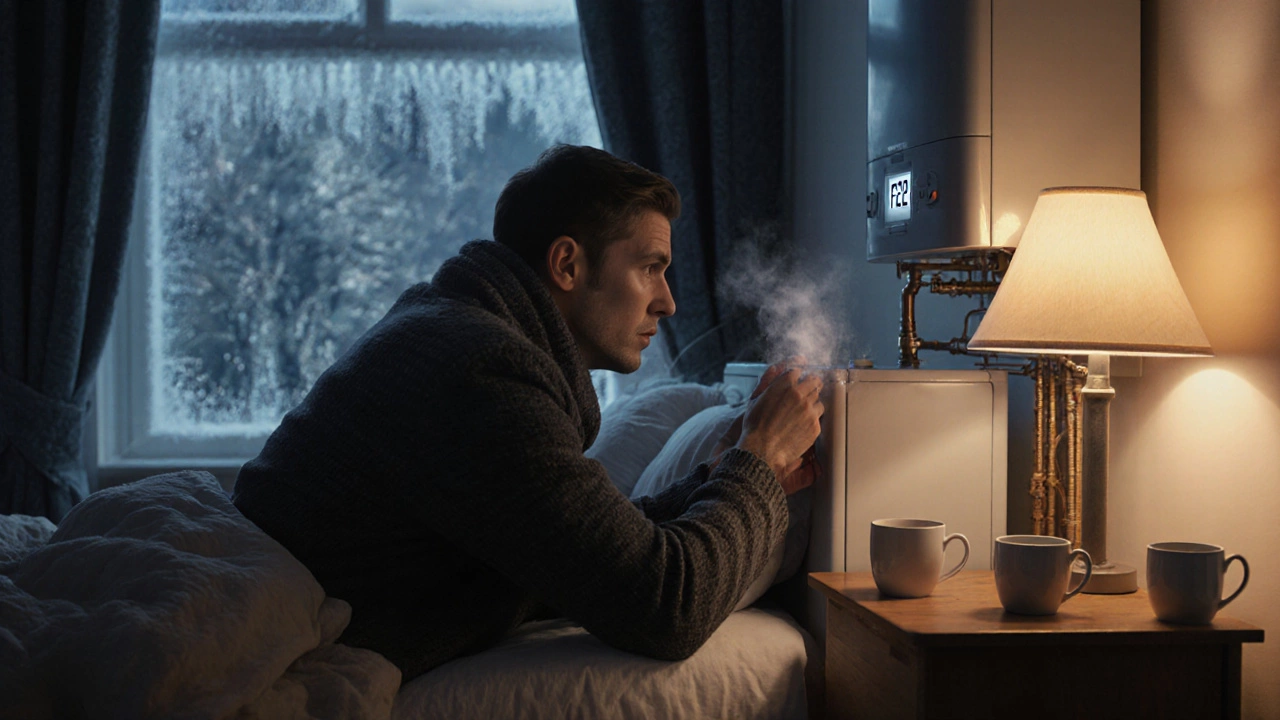
If your boiler stops working, know who to call and what to do immediately. This guide covers emergency steps, how to find a Gas Safe engineer, repair costs, and how to prevent future breakdowns in the UK.
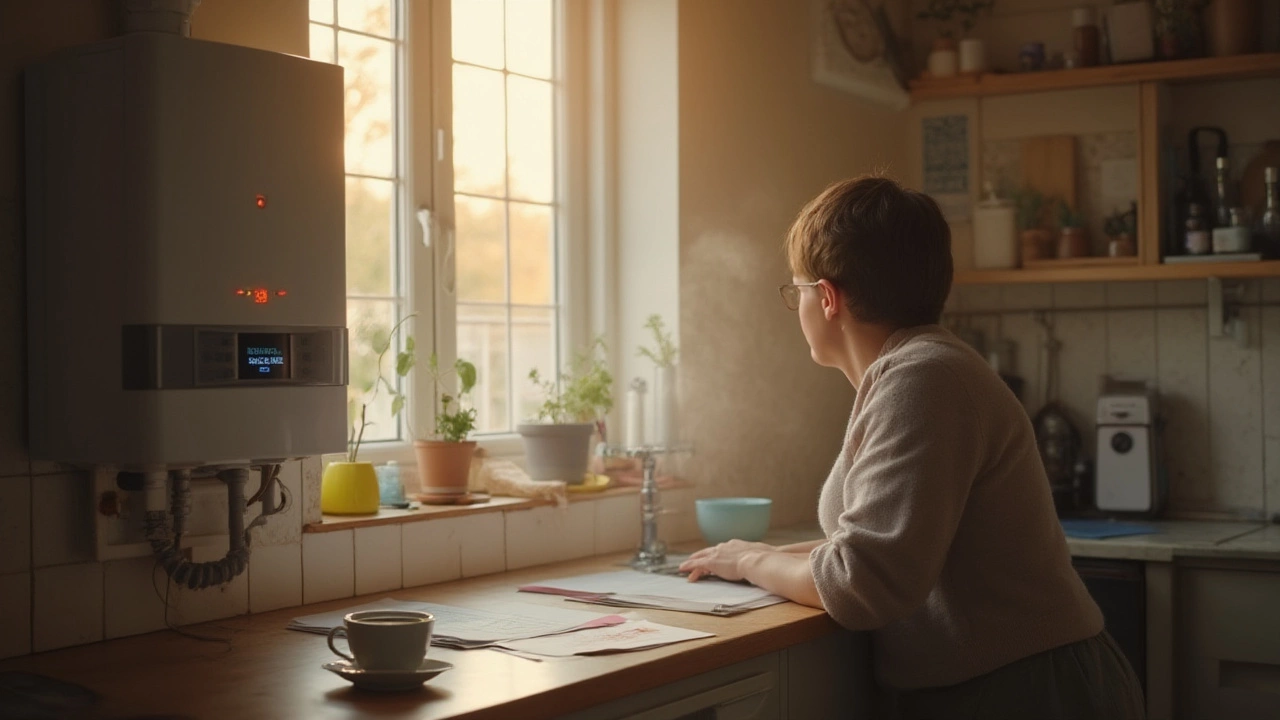
Discover when to worry about your boiler, warning signs to watch, and smart tips for safe use. Get practical advice to avoid major boiler headaches.
Thinking about swapping out your gas hob? Safety rules in the UK are strict, and there’s more to it than just unscrewing pipes. This article looks at whether you really need a gas engineer for the job, what could go wrong if you cut corners, how to pick the right pro, and little-known facts about what happens during an installation. It’s a no-nonsense breakdown for anyone facing a hob swap, putting your safety at the front of the queue.
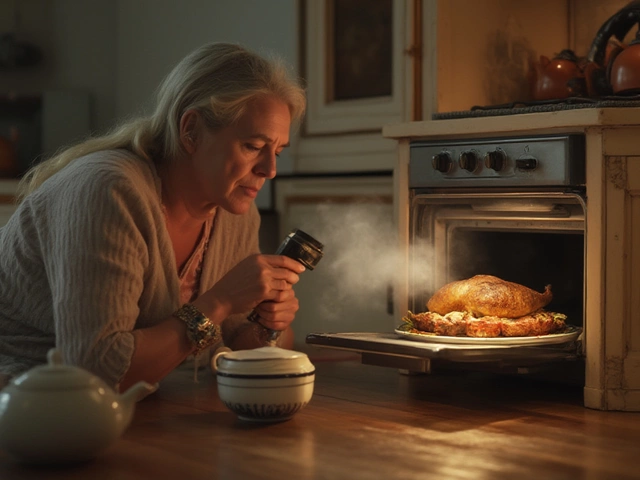
Find out how to tell if your oven’s heating element or thermostat is busted with simple tests, warning signs, and expert tips you can trust.
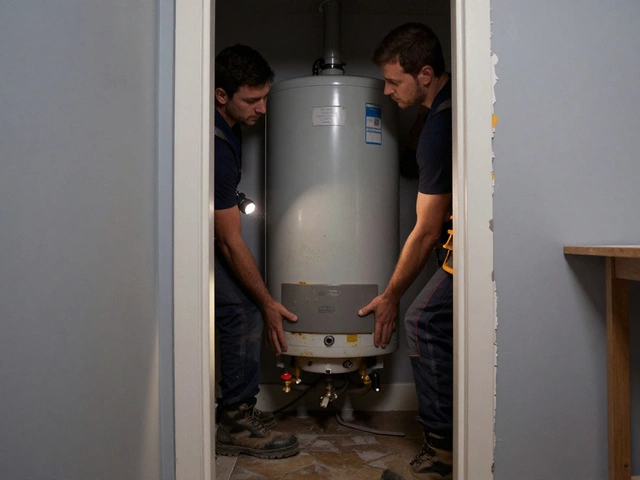
Find out exactly how long it takes to replace a water heater. We break down timelines for tank vs. tankless units, hidden delays, and installation steps to help you plan your schedule.
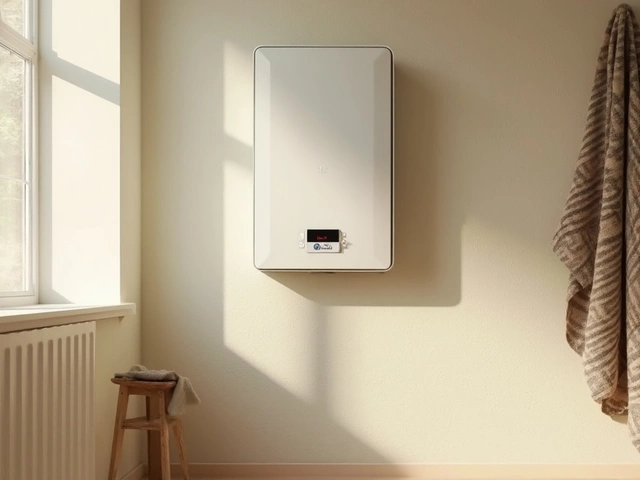
Troubles with your water heater might mean it needs a reset. Knowing when and how to reset it can prevent cold showers and unnecessary stress. This guide covers signs your water heater needs resetting, why it's important, and how to do it safely. Plus, learn some handy maintenance tips to keep it running smoothly.
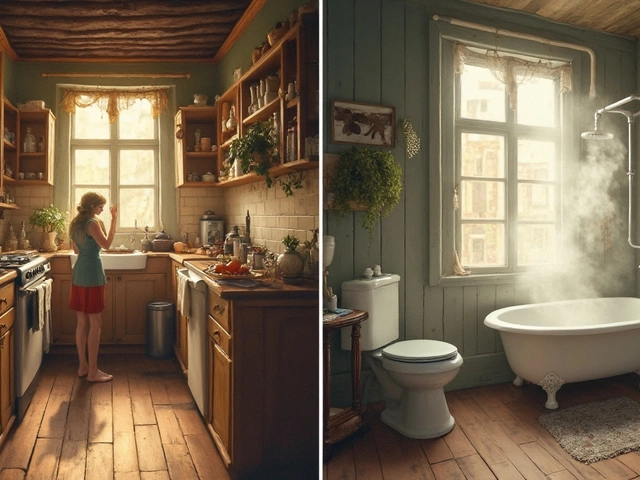
Struggling with hot water inconsistencies between your kitchen and bathroom? This article explores the causes behind such issues, including plumbing layout and water heater problems. Learn valuable tips for diagnosing and fixing these common household headaches. Discover practical solutions that can save you from cold showers and confusing hot water scenarios. Understand how simple tweaks or professional guidance can restore your home's balanced hot water supply.