

If you’ve ever stepped out of a steamy shower and smelled mildew, you know a good bathroom fan matters. It pulls damp air out, stops mould, and keeps the room fresh. But fans don’t last forever. Knowing when to clean, repair, or replace yours can save money and headaches.
Most fans run about 8‑10 years before the motor starts to struggle. You’ll notice a drop in airflow, louder noise, or a fan that won’t turn on at all. Those are clear signs it’s time for a new unit. A quick check: hold a piece of paper up to the vent – if it flies away easily, the fan is still strong. If it barely moves, replace it.
Replacing a bathroom fan is a weekend job for most homeowners. First, turn off the power at the breaker – safety first. Remove the cover grille, usually held by a few screws. Pull the fan out, disconnect the wiring, and note which wires go where (take a photo). Fit the new fan into the same opening, reconnect the wires, and secure it with the screws. Finally, slap the grille back on and restore power. Test the fan; if it runs smoothly, you’re done.
Cleaning the fan regularly can push its life a lot further. Once a year, take the grille off and vacuum the dust from the blades and motor housing. A damp cloth wipes away grime, but never spray water directly on the motor. If the fan still sounds squeaky after cleaning, a drop of oil on the motor shaft (if accessible) can quiet it up.
When you’re not comfortable handling wiring, call a qualified electrician. In the Bognor Regis area, local experts like Bognor Regis Appliance Repair Experts can handle fan swaps fast and safely. They’ll also check the vent duct for blockages – a clogged duct can make even a new fan seem weak.
Don’t forget ventilation basics while you’re at it. Ensure the external vent grille isn’t blocked by leaves or debris. A clear path lets the fan push air out efficiently. If you have a window‑less bathroom, a good fan is the only way to prevent moisture buildup.
In short, watch for reduced airflow, strange noises, or a complete stop. Clean the fan yearly, replace it every 8‑10 years, and don’t hesitate to call a pro if wiring feels beyond your skill level. With these simple steps, your bathroom will stay dry, fresh, and mould‑free for years to come.
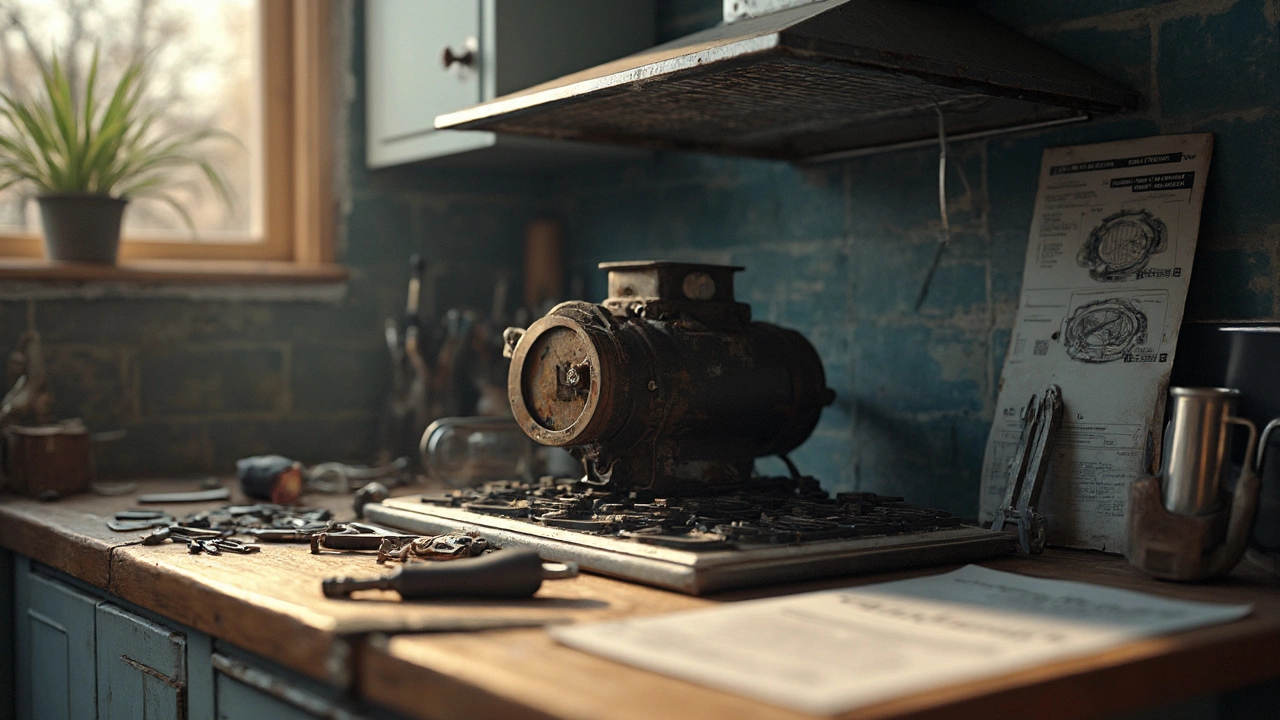
Thinking about swapping out the motor in your extractor fan? This article breaks down what's really involved, the red flags that mean the motor's cooked, and how to decide if you should tackle it yourself or call in a pro. It covers how to find the right replacement part, tips to avoid shocking mistakes, and why some fans just aren’t worth fixing. Whether your bathroom fan wheezes or your kitchen extractor hums like a jet, here’s how to handle a motor on its last legs.
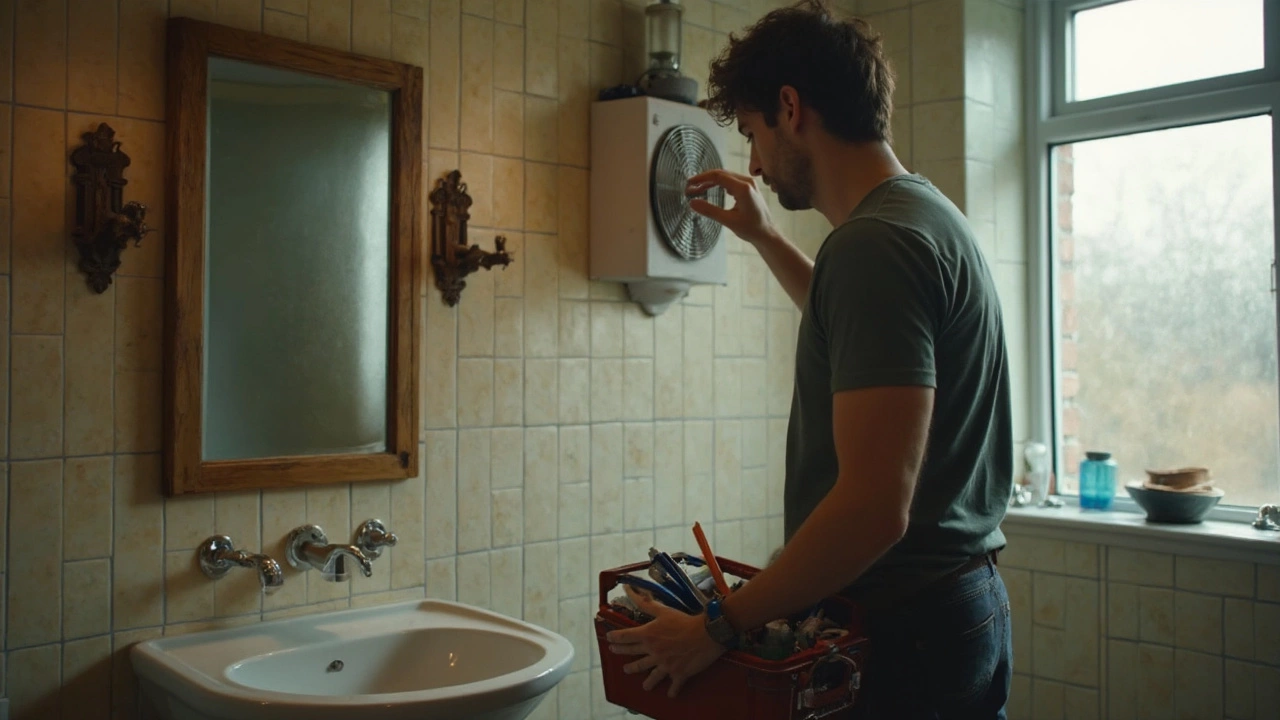
Thinking about swapping out your old extractor fan? This guide digs into how easy (or not) it really is to replace an extractor fan in your bathroom or kitchen. Get the lowdown on what tools you'll need, common surprises people miss, and what makes some fans trickier than others. If you're not sure when to call in a pro, we've got your back there, too. Get ready for a clear, no-nonsense breakdown.

Trying to figure out if you need a ventilation fan or an extractor fan? This article breaks down the differences between the two, explains how each one works, and shares tips for choosing and maintaining the right fan for your home. You’ll also pick up advice on recognizing issues, making easy repairs, and knowing when it's time to replace. If you’ve got problems with humidity, bad smells, or stuffy air, this guide is for you.
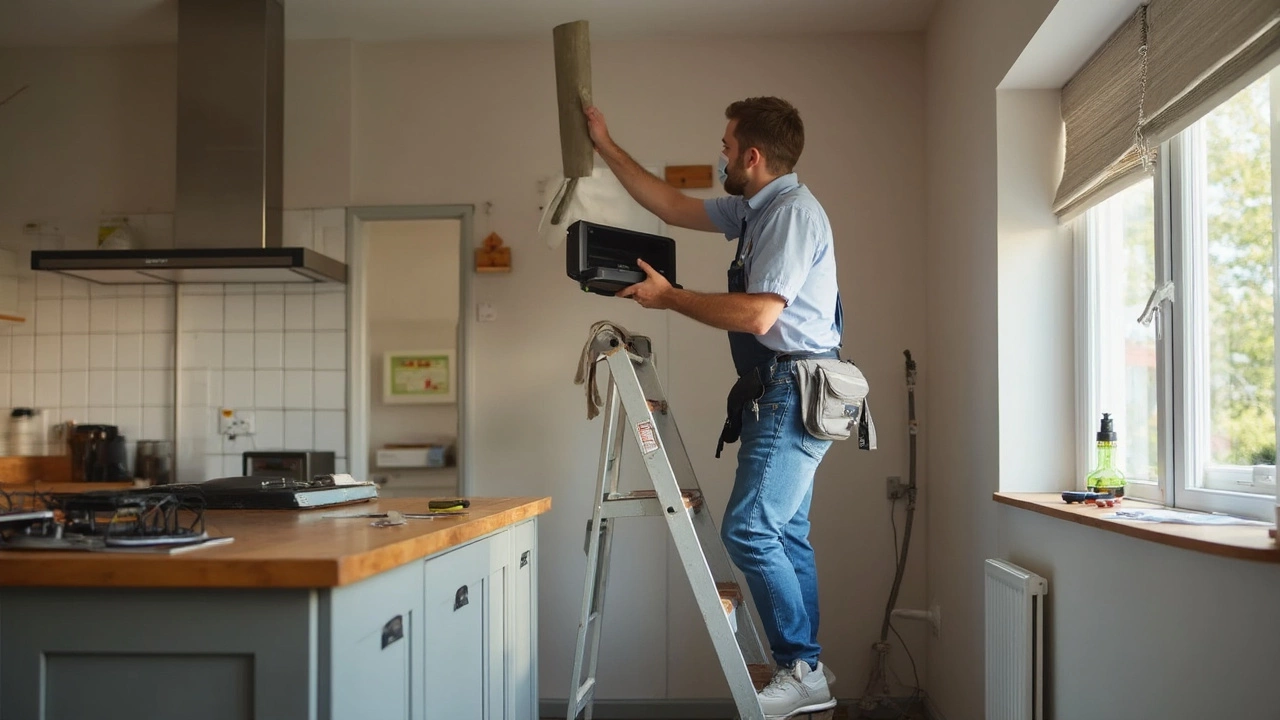
Wondering if you can swap out an extractor fan without calling in a pro? This article breaks down what it really takes to replace an extractor fan yourself, from the easy steps to watch-outs that could trip you up. Learn which tools you’ll need, how to stay safe with electricity, and where to draw the line and call an expert. Get helpful tips and facts straight from a practical perspective. Perfect for anyone ready to tackle a home repair without risking their safety or their ceiling.

Thinking of tackling an extractor fan installation on your own? Doing it yourself can be a rewarding project if you have the right tools and know-how. This guide breaks down the process into manageable steps, explains what to watch out for, and offers practical tips to avoid common pitfalls. You'll learn when it makes sense to go DIY and when you might need to call in a pro.

Extractor fans are essential for maintaining air quality in enclosed spaces like kitchens and bathrooms. When these fans break down, they can lead to moisture buildup and unpleasant odors. This guide offers practical advice on fixing a broken extractor fan, providing step-by-step instructions that any homeowner can follow. Learn how to diagnose common issues and the tools needed to restore your fan to working order.

Is fixing a 4-year-old dishwasher actually worth it? Get honest advice, money-saving tips, and clear facts for making the smartest call.

Proper appliance maintenance can save money, extend lifespan, and keep everything running smoothly at home. Learn about essential maintenance tips for common household appliances and understand why some regular attention can go a long way. Dive into practical tips and advice that are easy to apply and can prevent inconvenient breakdowns.

Stuck with a broken boiler and a cold house? This guide shares quick, practical steps to keep your home warm without a working boiler. Learn about safe heating alternatives, ways to trap heat, and smart tricks for getting through chilly nights. Find out what to avoid, when to call a professional, and how to prep for future breakdowns. Perfect for homeowners who want to stay safe and comfortable during a boiler emergency.

Wondering who fixes extractor fans? Find out which trade has the right skills, top repair tips, and practical advice for solving extractor fan issues fast.
Find out when repairing your dryer isn’t the smart move. Learn real signs, safety warnings, and how to choose between fixing and just getting a new one.