

Ever step into a steamy bathroom only to notice the fan humming weakly or not at all? A faulty fan can leave moisture hanging around, leading to mould, bad smells, and higher energy bills. The good news is most bathroom fan problems are easy to spot and fix without tearing down walls.
Fans are simple machines, but they face a lot of moisture, dust, and heat. Over time the motor can overheat, the blades get coated with grime, and the vent duct can become clogged with lint or debris. A bad switch, loose wiring, or a blown fuse can also stop the fan from turning on. In older homes the fan may simply have reached the end of its typical 10‑15 year lifespan.
First, turn off the power at the breaker and remove the fan cover. Give the blades a quick clean with a damp cloth – a buildup of soap scum can make the motor work harder and stall. Next, inspect the vent pipe for blockages; a flexible dryer‑vent brush works well for this. If the fan still doesn’t run, test the wall switch with a voltage tester. A clicky or dead switch often means a cheap replacement will solve the issue.
If the switch is fine, listen for a humming sound when you turn the fan on. A humming motor that doesn’t spin usually signals a seized bearing or a burnt‑out motor. In that case, swapping the motor or the whole fan unit is the safest route. Many homeowners replace the entire unit when the fan is over ten years old because new models are more efficient and quieter.
Another common snag is a loose wiring connection inside the fan housing. Tighten any exposed copper wires and make sure the connector clips are snug. If you aren’t comfortable handling wiring, it’s best to stop here and let a qualified electrician finish the job.
Lastly, check the bathroom’s power supply. A tripped breaker or a blown fuse can look like a fan problem but is actually an electrical issue. Reset the breaker and see if the fan powers up.
When you’ve run through these steps and the fan still won’t work, it’s time to call a professional. A qualified technician can test the motor’s amperage, replace sealed bearings, or install a new ventilation system that meets current building codes.
Regular maintenance keeps the fan humming smoothly for years. Make a habit of cleaning the blades and clearing the vent pipe every six months, and replace the fan if you notice persistent noise, reduced airflow, or visible rust. With a little attention, your bathroom will stay fresh and dry without costly repairs.

Extractor fans play a pivotal role in maintaining air quality in kitchens and bathrooms by expelling moisture, odors, and smoke. If your extractor fan suddenly stops working, it can lead to persistent humidity or unpleasant smells. This guide provides practical steps for diagnosing and fixing common issues that can cause an extractor fan to malfunction. From checking power supply and fuses to cleaning and replacing parts, understanding the intricacies can save you time and money. By following these steps, you can restore your extractor fan’s functionality and maintain a comfortable home environment.

Ever got frustrated with cold showers while waiting for your hot water heater to get fixed? This article breaks down how long it really takes to repair different types of water heaters, from common issues you can fix yourself to problems that call for a pro. You'll learn what affects the repair timeline, plus some quick tips to speed things up. No more second-guessing if you’ll be stuck with icy water all day. Get the facts so you can plan around your next repair.
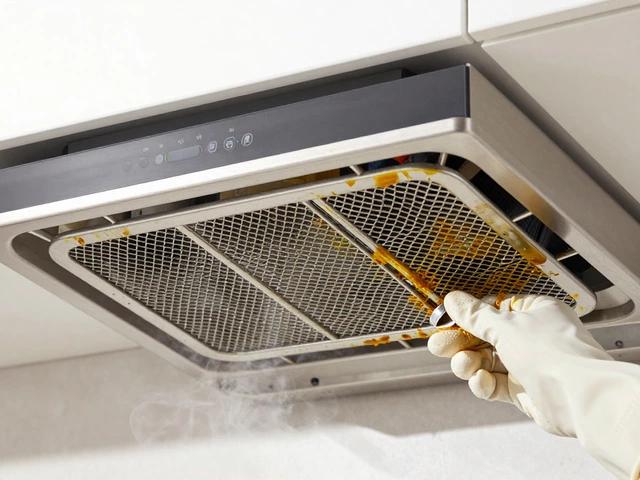
Learn how to troubleshoot a broken extractor fan step-by-step. From cleaning filters to testing capacitors, this guide helps you fix common issues like weak suction, humming noises, and complete failure safely.

Stuck between fixing or swapping your boiler? Discover the real facts, costs, tips, and how to make the right call for your property, budget, and comfort.

Discover how long electric hobs last, from ceramic to induction models. Learn signs of failure, repair vs. replace costs, and tips to extend lifespan.
Learn why and when appliances need professional service, the signs of trouble, how often each should be checked, DIY tips, costs and when to replace.